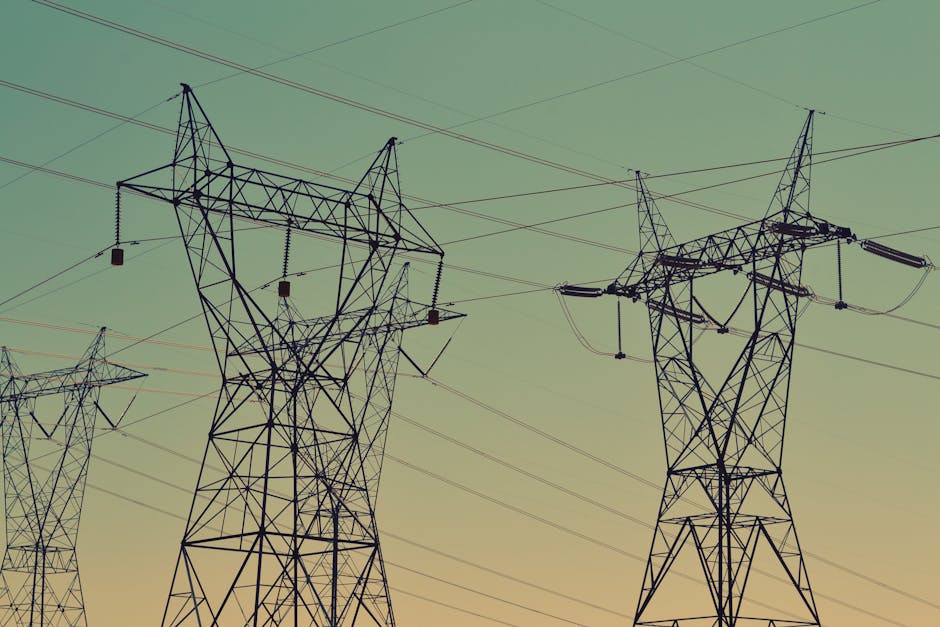
Power CEOs are set to pocket $1 billion fixing a grid you're already paying for
Photo: Miguel Á. Padriñán
The people responsible for fixing America's crumbling electrical grid are about to get very rich doing it. That's not a coincidence. It's how the business is designed.
CEOs of the 15 largest U.S. power companies are sitting on nearly $1 billion in combined stock-based pay, according to a Reuters analysis of regulatory disclosures. The average package comes to roughly $66 million per executive. James Burke at Vistra tops the list with more than $100 million in unrealized stock value. The CEOs of Constellation, NextEra, and Entergy follow close behind.
At the same time, your electricity bill is up about 10% on average this year, according to government data.
These two facts are connected by the same mechanism.
How utilities make money
Unlike almost any other industry, a publicly traded utility's stock value rises almost automatically when it spends money on infrastructure. Here's why: regulators let utilities earn a guaranteed rate of return on their approved capital investments. The more they spend on approved projects, the larger the asset base, and the larger the asset base, the more earnings they're allowed to collect. Those earnings come from ratepayers, meaning from your bill.
Fidelity's $4 billion utilities fund put it plainly in a recent investor update: "Earnings and cash flows increase when the utility invests capital, and the regulator allows an agreed rate of return."
The U.S. grid genuinely does need fixing. Industry analysts project the spending required could surpass $1 trillion over the next decade. AI data centers have driven a surge in electricity demand that the current grid wasn't built to handle. Grid reliability problems have contributed to higher power costs across the country. So the spending is real, and some of it is necessary.
But the structure creates a striking alignment: the worse the grid gets, the more money gets approved to fix it, and the more the executives overseeing that spending stand to gain.
Who benefits and who pays
The S&P 500 Utilities index is up more than 30% since the start of 2024, driven largely by that surge in power demand from data centers running artificial intelligence applications. That rally is what's inflating those stock packages.
The clearest example of how big this is getting: Talen Energy CEO Mark McFarland had nearly 900,000 restricted stock shares vest last month, putting him in line for a $300 million payday if he sold now, according to company disclosures.
Talen operates power plants that are critical to PJM Interconnection, the regional grid serving 67 million customers across 13 states in the South, Midwest, and Mid-Atlantic. Talen itself noted in May that tighter grid conditions in PJM, meaning less buffer between supply and peak demand, will "further benefit the economics of gas-fired generation." Scarcity, in other words, is profitable.
NextEra's $67 billion deal to acquire Dominion Energy, announced in May, brings NextEra into PJM's territory and gives it access to Dominion's position as the top utility serving the world's largest concentration of data centers, in northern Virginia. NextEra CEO John Ketchum holds restricted stock and options worth more than $100 million.
"Hardworking families are picking up the bill while utility CEOs and their investors are making guaranteed profits," said Tyson Slocum, director of the energy program at Public Citizen.
Some companies, including Exelon and Dominion, noted they offer bill relief to customers struggling to pay. But the structural reality remains: the regulated utility model ties executive wealth to capital spending, and capital spending gets recovered through rates.
The deeper issue isn't that executives are paid well. It's that the system virtually guarantees their pay rises in tandem with grid problems, not in spite of them. If regulators don't tighten oversight of what counts as a recoverable investment and what produces genuine reliability gains, consumers will spend a trillion dollars on a grid upgrade and receive much of the bill twice: once on their electricity statement, and once in the form of executive compensation that the same system quietly allows.