Rivian's toe link problem just got bigger than a recall
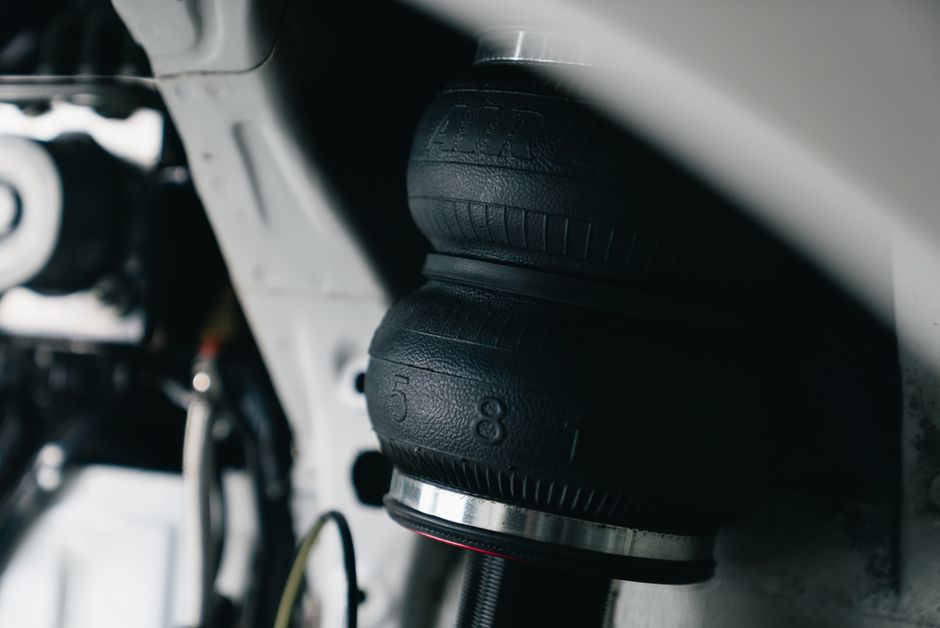
Photo: Erik Mclean
Rivian already recalled nearly 20,000 trucks over a faulty rear suspension part in January. Now federal safety regulators are asking whether the problem runs much deeper, covering nearly 115,000 vehicles and a failure mode that has already caused a crash.
The National Highway Traffic Safety Administration opened a preliminary investigation on Thursday into 114,922 Rivian R1S and R1T electric vehicles. The issue is the rear toe link, a small but critical suspension component that connects the wheel to the vehicle's frame and controls how the rear tires sit relative to the road. When it fails, the results are severe: regulators received two reports of the left rear toe link separating while the vehicles were moving, causing them to swerve across multiple lanes. One of those incidents ended in a collision with another vehicle and a roadside barrier.
What the probe actually means
A preliminary investigation is the first formal step in NHTSA's process. It does not mean a recall has been ordered. But it does mean the agency has decided the initial complaints are credible enough to take seriously, and it now has the authority to demand data and documents from Rivian. The agency will examine how sensitive the toe link joint is to normal road conditions and will evaluate whether Rivian's existing repair procedure is actually fixing the problem.
That existing repair procedure has its own history. In January, Rivian recalled roughly 20,000 R1S and R1T trucks that had been previously serviced, saying the rear toe link had been incorrectly reassembled. The fix was a free bolt replacement. The new probe raises a harder question: was that recall too narrow, and does the underlying vulnerability exist in trucks that were never touched by a service center?
Who is affected and what to watch
If you own an R1S or an R1T, you are probably aware that Rivian's trucks are priced at a premium, starting above $70,000. Many owners bought specifically because of the vehicles' off-road capability, which puts real stress on suspension components. A rear toe link failure at highway speed is not a minor issue. Losing rear wheel alignment suddenly means the driver has very little time to react before the vehicle crosses lanes.
The January recall covered about 20,000 trucks. This investigation covers nearly six times that number. If NHTSA finds the issue is widespread, a much larger recall becomes likely, and Rivian would be required to cover repairs at no cost to owners. A preliminary probe typically takes a few months before the agency decides whether to escalate to an engineering analysis, the step that more often precedes a formal recall order.
Rivian did not respond to Reuters' request for comment.
For Rivian as a company, the timing adds pressure to a difficult stretch. The automaker has been working to scale production, cut costs, and prove it can survive as an independent EV manufacturer in a market where competition and capital requirements are both brutal. A safety investigation touching the majority of its R1T and R1S fleet is not a crisis on its own, but a finding that the original repair missed the root cause would be. That would mean a larger financial hit and, more importantly, a credibility problem for a company whose trucks are still young enough in the market that first impressions about quality are not yet set.
The NHTSA investigation is public. Rivian owners can check the agency's database and, if they have experienced anything related to rear suspension handling or unexpected steering pull, file their own report. Those owner submissions are part of what drives investigations forward.
Related Posts





Recent


Oct 10, 2026