Sempra just signed a 20-year gas deal, and the payoff is still years away

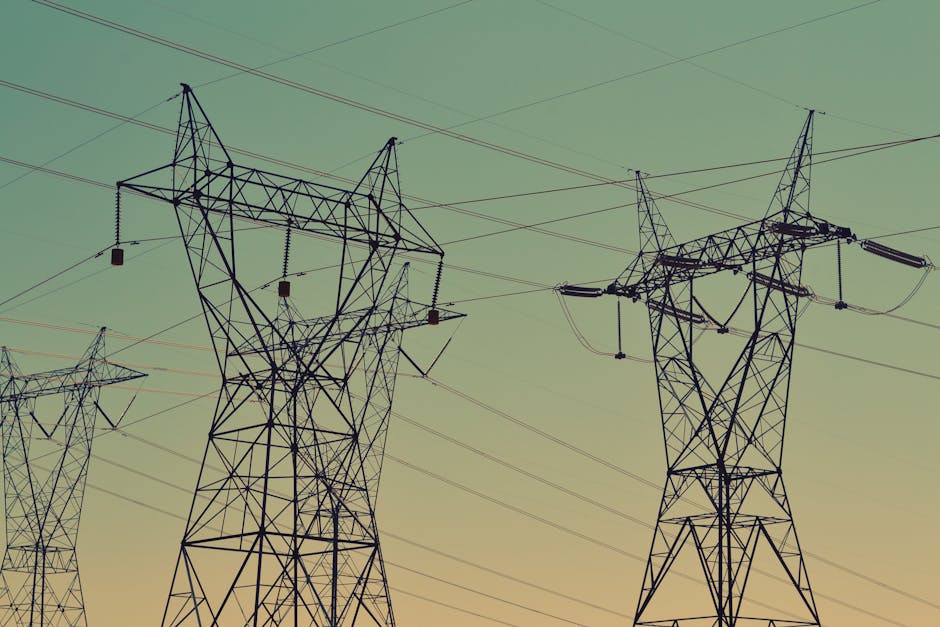
Photo: Mumtaz Niazi
Sempra just locked in two decades of guaranteed demand for its Texas liquefied natural gas export terminal, and Wall Street should note that none of that revenue arrives until at least 2030.
On September 14, Sempra Infrastructure, a subsidiary of the San Diego-based energy company Sempra, signed a 20-year contract to sell roughly 0.8 million tonnes of liquefied natural gas per year to Petrobras, the Brazilian state oil company. It is the first time a South American buyer has signed on as an LNG customer with Sempra, and it adds another anchor tenant to Port Arthur LNG Phase 2, a massive export project under construction on the Texas Gulf Coast.
A long runway before first cargo
Port Arthur LNG Phase 2 cleared its final investment decision in September 2025. Its two processing units are expected to come online in 2030 and 2031, adding roughly 13 million tonnes of annual export capacity and nearly doubling the total Port Arthur facility to about 26 million tonnes per year. The Petrobras gas won't start moving until those units are ready, which means the contract is a promise of future revenue rather than anything that affects Sempra's cash flow today.
That context matters. Sempra is simultaneously finishing Phase 1 of the same terminal, with commercial operations not expected until late 2027 and 2028. Further expansion phases are described by management as still in early development. That is a substantial amount of construction risk concentrated at a single Texas site, stacked in sequence, before any of the new export revenue lands.
Why the deal still signals something real
Long-term contracts like this one are how major LNG projects get financed in the first place. Banks and bondholders want to see signed purchase agreements before they commit to infrastructure that costs billions and takes years to build. Petrobras locking in 20 years of supply gives Sempra a credible demand anchor for Phase 2, which reduces financing risk even if it does not accelerate the timeline.
The choice of Petrobras also reflects a calculated geographic expansion. Sempra describes its strategy as serving both the Atlantic and Pacific Basins, and Brazil is the largest economy in South America, with growing industrial energy demand. A South American buyer diversifies the customer base away from the European and Asian buyers who dominate most US LNG contracts signed since Russia's invasion of Ukraine reshuffled global gas markets.
The Texas electricity story running alongside it
Separate from the LNG business, Sempra's Texas electricity subsidiary, Oncor, is riding a genuine surge in power demand. Texas's grid operator recorded an all-time peak load of 91 gigawatts this past July. Regulators have approved more than $7 billion in new transmission spending to support 16 gigawatts of that growth. A newly approved connection process called Batch Zero could make roughly 44 gigawatts of large-load requests eligible for service in Oncor's territory, more than 140% above the grid's current 31-gigawatt peak.
That demand is coming from data centers, manufacturing, and population growth across Texas. For Oncor, it means a sustained, capital-intensive buildout over the rest of the decade. Sempra's second-quarter earnings reflected that momentum: adjusted earnings per share rose to $1.16 from $0.89 a year earlier, and management raised full-year guidance to a range of $5.02 to $5.55 per share.
What this means for the bigger picture
The Petrobras deal is a small window into how American energy infrastructure has repositioned itself over the past few years. US LNG export capacity has become a geopolitical asset, with buyers across Europe, Asia, and now South America seeking long-term supply outside of Russian pipelines or volatile spot markets. Companies like Sempra are betting that this structural demand lasts well into the 2040s, long enough to justify decade-long construction timelines and the financial risk that comes with them.
Whether Port Arthur Phase 2 delivers on that bet depends on construction executing on schedule, global gas prices holding up, and the political environment around fossil fuel exports staying stable. All three carry real uncertainty over a 20-year horizon.