Senegal's power split puts a $1.8 billion IMF deal at risk
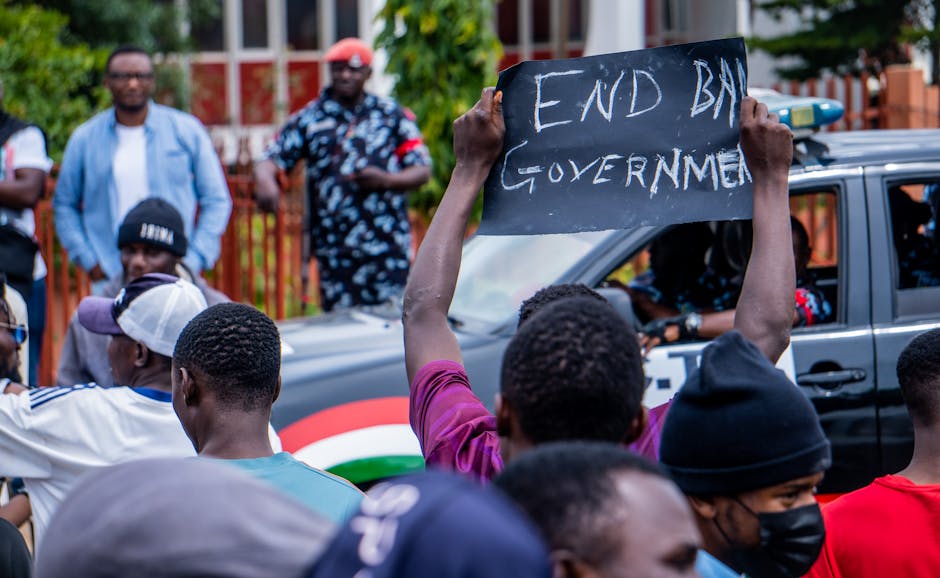
Photo: Dokun Ayano
The agreement Senegal needs to stabilize its finances was already fragile. Now the government negotiating it no longer exists.
On Friday, President Bassirou Diomaye Faye dismissed Prime Minister Ousmane Sonko and dissolved the entire cabinet, according to a statement read on Senegalese state media. All ministers were let go, with the outgoing government tasked only with handling day-to-day affairs while Faye decides what comes next.
The timing is brutal. Senegal is deep in talks with the International Monetary Fund over a $1.8 billion lending program that was frozen after the discovery of misreported debt. That debt revelation pushed the country's end-2024 debt load to 132% of its total economic output. Finance Minister Cheikh Diba told parliament earlier Friday, hours before the dismissal, that Senegal expected to resume IMF talks the week of June 8 and hoped to reach agreement on key points by June 30. That timeline now looks precarious with no functioning government in place.
The fight behind the split
Sonko and Faye were once close allies. Sonko, a charismatic figure with a strong following among Senegalese youth, backed Faye's 2024 presidential campaign after being barred from running himself because of a defamation conviction. Faye won with 54% of the vote and appointed Sonko prime minister. But the partnership deteriorated over months of growing friction, much of it centered on the IMF negotiations.
The two men disagreed sharply on how to handle Senegal's $13 billion debt. Sonko opposed restructuring it, which he said the IMF was pushing for. He also rejected a request from Finance Minister Diba to raise fuel prices, even as Diba warned that the country's fuel subsidy bill could overshoot its 2026 budget by as much as $2 billion if oil prices rise to $115 per barrel. Faye had been quieter on both issues, and that silence read, to Sonko and to observers, as a signal of diverging priorities.
After the announcement Friday, Sonko posted on social media that he would "sleep with a light heart," a comment that suggested relief rather than bitterness. But his political future is genuinely unsettled. His Pastef party dominates the National Assembly, which means he retains real leverage over legislation. In March, he said he would be willing to take Pastef into opposition if Faye broke from the party's agenda. Lawmakers last month also approved electoral code changes that could allow Sonko to run for president in 2029, so his ambitions are unlikely to disappear with his title.
What this means for ordinary Senegalese
The IMF program matters beyond finance-ministry spreadsheets. A frozen lending deal limits Senegal's ability to borrow affordably, maintain subsidies, and invest in infrastructure at a moment when the country is trying to build out a new oil and gas sector. Sonko had pushed to renegotiate resource contracts, arguing that better terms would lower domestic energy prices. In March he declared a BP gas contract for the Greater Tortue Ahmeyim project unfair and revoked 71 mining licenses. Whether those moves survive the government shake-up is unclear.
Fuel prices are the most immediate pressure point for ordinary families. If the government reaches an IMF deal that requires cutting subsidies, prices at the pump rise. If it doesn't reach a deal, financing the subsidy gap becomes harder. Either path involves a cost that lands on Senegalese households, not on institutions.
The deeper risk is institutional drift. Senegal spent much of the past few years under former President Macky Sall in political crisis, including a delayed election that sparked street unrest. Faye came to power on a promise of clean, accountable governance. A public rupture with his own prime minister, right in the middle of high-stakes debt negotiations, tests whether that promise holds or becomes another chapter in the same story.