The 10-Year Treasury Yield Hit 5%. Your Mortgage Just Got More Expensive.

Photo: Alena Darmel
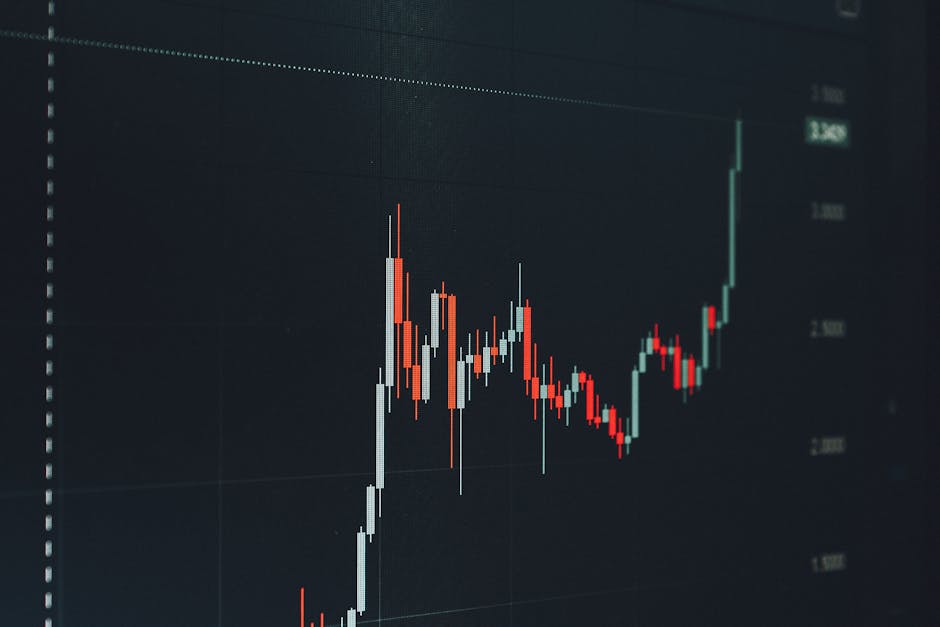
The 10-year Treasury yield is sitting near 5%, and that number touches more of ordinary American life than almost any other figure in finance. Federal Reserve Chairman Kevin Warsh and Treasury Secretary Scott Bessent are both staring at it this week, for different reasons, with different tools, and according to reporting from Investor's Business Daily, different odds of success.
Why 5% matters to you
The 10-year Treasury yield is the rate the U.S. government pays to borrow money for a decade. It also sets the floor for most long-term borrowing in the country. Mortgage rates track it closely. So do corporate loan rates, car financing costs, and the interest payments on federal debt itself.
When that yield climbs toward 5%, the ripple is immediate. A 30-year fixed mortgage typically runs about 1.5 to 2 percentage points above the 10-year yield, which means homebuyers right now are looking at rates near 6.5% to 7%. On a $400,000 home loan, that is roughly $500 to $600 more per month compared with what buyers paid in 2020 and 2021. Refinancing math looks just as discouraging. Homeowners who locked in at 3% have little incentive to move, which is part of why the housing market has felt frozen for two years running.
Two credibility tests, one hard week
Warsh and Bessent each face what analysts are calling a credibility test this week, but the tests are different in nature.
Warsh's challenge is about inflation. The Fed sets the short-term rate that anchors borrowing across the economy. But the 10-year yield is set by bond markets, not by the Fed directly. If investors believe inflation is not under control, they demand higher yields to compensate for the risk that the money they lend will be worth less when they get it back. A yield near 5% is partly a signal that bond markets are not fully convinced the inflation fight is over.
Wednesday's Fed meeting is expected to produce a decision that leans toward holding rates higher, a signal that the central bank is not ready to declare victory. That stance might reassure bond markets that the Fed is serious, which could take some pressure off the 10-year yield. Or it might not be enough.
Bessent's challenge is different and in some ways more structural. As Treasury Secretary, his job is to finance the federal government's enormous borrowing needs by selling Treasury bonds to investors around the world. When yields are high, the government pays more interest on its debt. When investor appetite for those bonds softens, yields rise further to attract buyers. Right now, Bessent is trying to sell debt into a market that is already signaling discomfort with the price.
The system underneath
The deeper issue is that these two pressures are connected in ways that make each harder to solve.
When the Fed holds rates high to fight inflation, it slows the economy. A slower economy means lower tax revenue and potentially higher spending on things like unemployment benefits. That can widen the federal deficit, which means the Treasury has to borrow more. More borrowing means more bonds to sell, which can push yields up further. Higher yields mean the government pays more interest on its existing debt, widening the deficit again.
That feedback loop does not resolve quickly. It is why economists who watch the bond market closely pay attention to the 10-year yield not just as a borrowing cost but as a referendum on whether markets believe the government has its fiscal house in order.
At 5%, the verdict is not confident. It is cautious, conditional, and expensive for anyone carrying debt, looking to buy a home, or running a business that relies on credit.
The outcome of Wednesday's Fed meeting will not fix all of that. But it will tell markets whether policymakers are still in the fight, or starting to blink.