Dominion's $66.8 billion merger bet has Virginia watching closely

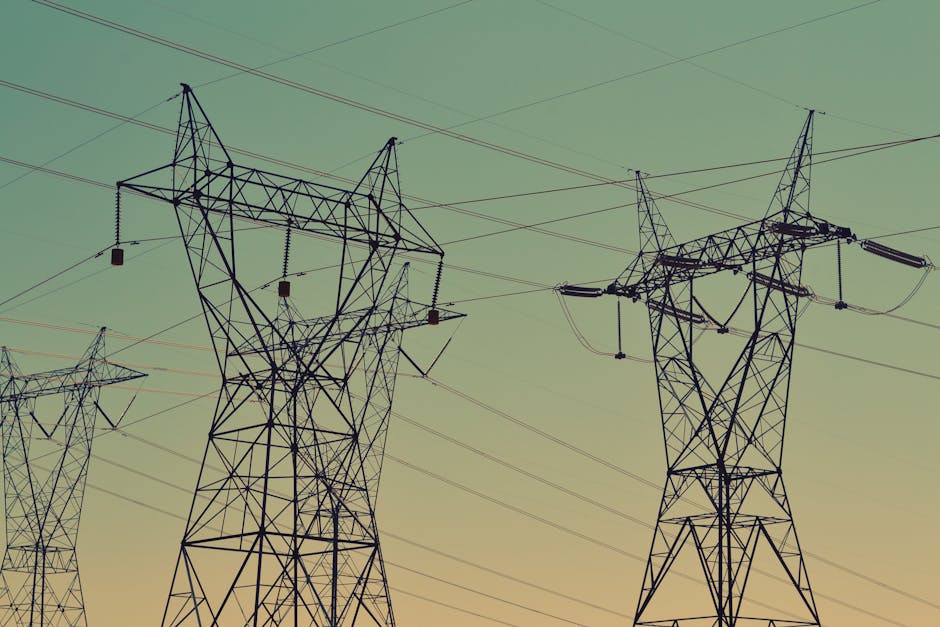
Photo: Abdelrahman Ahmed
Dominion Energy is at the center of a $66.8 billion merger with NextEra Energy, and the fight over who benefits is already underway before a single regulator has signed off.
The two utilities announced their deal in May, driven by a simple premise: electricity demand is surging, fueled by data centers, electric vehicles, and industrial expansion, and building the infrastructure to meet it requires enormous scale. Shareholders of both companies approved the merger earlier this month. Regulatory approval is expected to take until the second half of 2027.
But scale cuts both ways. A merged Dominion-NextEra would become one of the most powerful utility companies in the country, controlling electricity access for millions of households in Virginia and the Carolinas. That concentration of power is exactly why Virginia Governor Abigail Spanberger said in August she would formally intervene in the regulatory review, pressing for specific commitments on affordability, jobs, and clean energy investment.
What the companies are promising
To move the deal through regulators, Dominion and NextEra announced a package of commitments on Monday. The headline item is a supplier program worth up to $1 billion a year for five years, directing spending toward Virginia-based contractors and service providers. The companies also proposed extending monthly bill credits of $10 to four years instead of two, and increasing low-income financial assistance by $100 million through 2038. There would be a $100 million workforce development fund, a commitment to maintain current employee headcount in Virginia for five years, and a new co-headquarters building in Richmond funded by shareholders.
These are real numbers. Whether they're enough depends on what you think the merger is actually worth to ordinary ratepayers, as opposed to shareholders.
The infrastructure pressure behind the deal
Northern Virginia is ground zero for the data center boom. Dominion already serves roughly 4.1 million customers in Virginia and the Carolinas, and according to its latest annual report, data center expansion is one of its largest growth drivers right now. The company reported revenue of nearly $16.5 billion in fiscal year 2025, up about 14 percent from the prior year, reflecting higher rates and a growing industrial customer base.
That growth comes with a cost. Dominion's free cash flow for the period was roughly negative $7.3 billion, meaning the company is spending heavily on long-term infrastructure. Utility companies regularly run negative free cash flow during expansion cycles, but it also means the company depends on external financing to fund its buildout. A merger with NextEra, one of the largest generators of renewable energy in the world, would bring significantly more capital to bear on that infrastructure gap.
The tension ordinary customers should watch
Here is the part that matters for anyone who pays a Dominion electric bill. When utilities consolidate, the surviving company gains more leverage in rate negotiations with state regulators. The commitments Dominion and NextEra announced Monday are, in effect, the price they are willing to pay to soften that regulatory scrutiny. Whether those commitments hold, and whether they're enforced, depends almost entirely on what Virginia's State Corporation Commission extracts from the deal before it closes.
Governor Spanberger's intervention signals that state officials see real risk here. The four-year bill credits and the low-income assistance fund are meaningful if they survive the regulatory process intact. If they get trimmed or delayed, customers could find themselves paying higher rates to a larger, less locally accountable company with fewer offsetting protections.
The deal closing date is still roughly two years away. A lot can change between now and then, including who sits on the regulatory commissions that will decide what these promises are actually worth.