The FCC just raised $3.5 billion to rip Chinese gear out of US networks
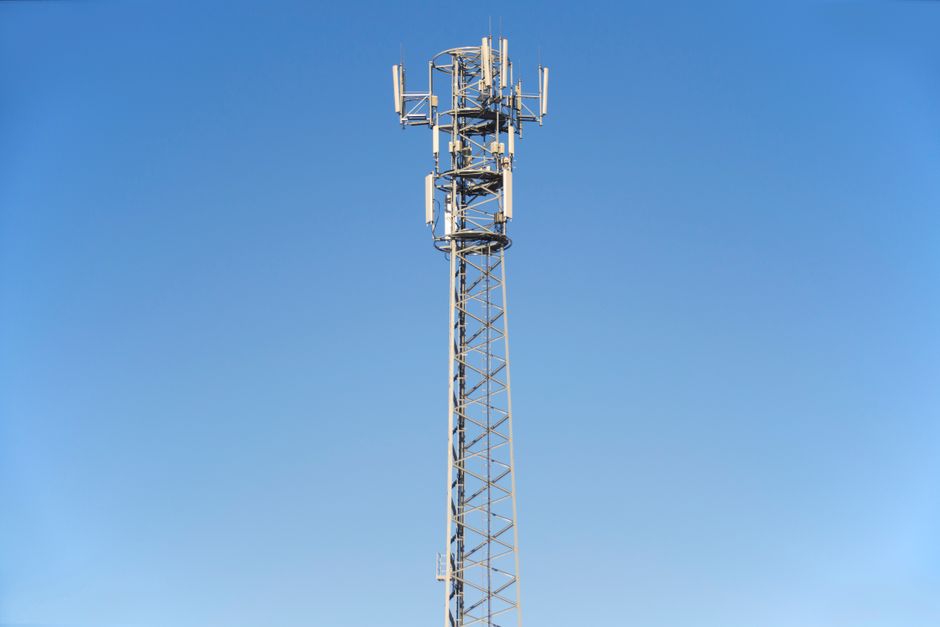
Photo: AS Photography
The Federal Communications Commission just turned airwaves into a national security budget. A wireless spectrum auction closed this week with $3.5 billion raised, and up to $3.3 billion of that money goes directly toward pulling Huawei and other Chinese-made telecom equipment out of American wireless networks.
That program has a name that says exactly what it does: "Rip and Replace."
What actually happened
The FCC announced Thursday that the auction of mid-band wireless spectrum, the radio frequencies that carry 5G and other mobile data, brought in more than $3.5 billion from carriers and other buyers competing for the right to use those airwaves. Congress had already authorized the rip-and-replace effort, but the program needed funding. The auction proceeds, the FCC said, will cover money previously borrowed to keep the program running.
Why this matters beyond the headlines
Most Americans have never thought about whose equipment routes their phone calls and mobile data. For years, rural carriers in particular bought Huawei and ZTE gear because it was affordable and widely available. It went into cell towers, base stations, and the infrastructure that keeps calls connected in places where the big carriers don't compete hard for customers.
The concern, held by US intelligence agencies and a bipartisan majority in Congress, is that equipment built by Chinese state-linked companies could give Beijing a way to monitor traffic or disrupt communications, especially in a crisis. The worry is not theoretical. Huawei's ties to the Chinese government and military have been documented in congressional hearings and allied intelligence assessments. The UK, Australia, and Sweden have all moved to remove Huawei from their networks.
So the policy logic here is straightforward: if you want Chinese equipment out, you have to pay someone to take it out and put something else in. Smaller rural carriers, the ones who bought the cheap gear in the first place, cannot absorb that cost alone. The rip-and-replace program exists to cover it.
What this costs, and who it protects
For ordinary people, the most direct effect is invisible, which is mostly the point. If the program works, the equipment carrying your calls gets replaced with gear from vendors the US government considers trustworthy, and you notice nothing. The risk being addressed is not a bad call quality problem; it is the kind of vulnerability that shows up in a geopolitical standoff, not a dropped call.
The funding gap had been a real problem. The program was authorized and started before the money was fully in place, so it had been running on borrowed funds. The auction proceeds close that gap, at least for now.
The spectrum being auctioned is itself valuable for reasons separate from security. Mid-band frequencies are the practical workhorse of 5G: they carry more data than low-band signals and reach farther than high-band millimeter wave signals. Whoever bought those licenses is building coverage capacity, and the fees they paid are now funding a parallel effort to make that coverage more secure.
The bigger picture
This is one of the cleaner examples of the US government using market mechanisms for geopolitical ends. Spectrum is scarce and valuable; carriers will pay for access to it. Auctioning it raises money that then funds a strategic goal that the market alone would never have paid for. Rural carriers had no incentive to rip out working equipment on national security grounds. The government created the incentive by covering the cost, and now it is covering that cost with money from the carriers themselves.
The rip-and-replace effort has been underway for several years and is not finished. But $3.3 billion in fresh funding, sourced from an industry that profits from the airwaves, significantly changes the timeline for getting it done.