The NAFTA rewrite starts next week, and cars are the stakes
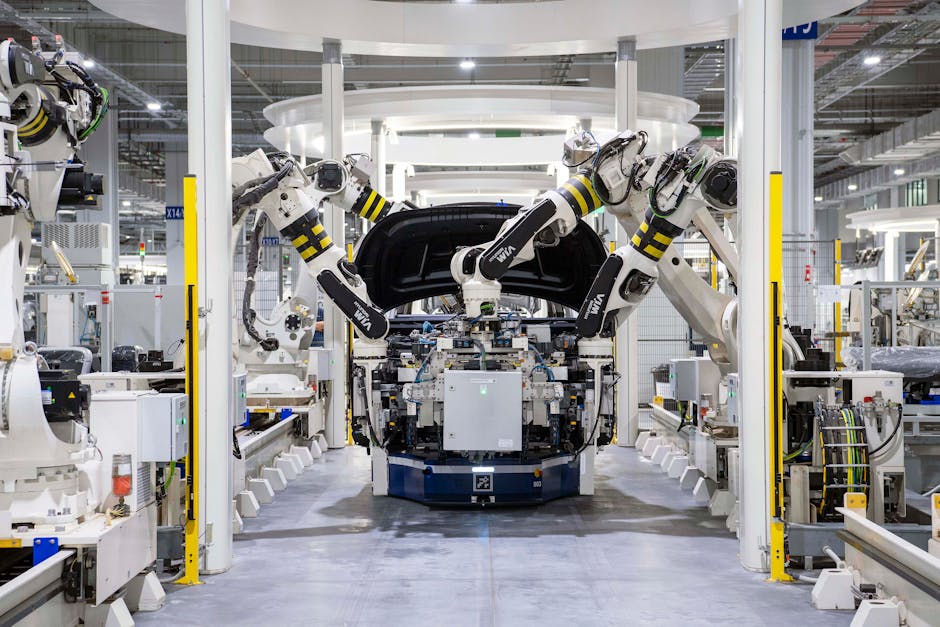
Photo: Hyundai Motor Group
If you buy a car built in North America, the trade deal that governs how it gets made is about to be renegotiated. Starting next week in Mexico City, the United States and Mexico will begin the first formal round of talks to update the U.S.-Mexico-Canada Agreement, the six-year-old trade framework that replaced NAFTA and shapes nearly every vehicle, semiconductor, and manufactured good crossing the continent's borders.
U.S. Trade Representative Jamieson Greer laid out the opening priorities on Friday at a Micron Technology memory chip plant in suburban Washington. The two main targets: tightening regional content rules and adding stronger economic security provisions. Speaking to reporters, Greer put the logic plainly. "If you're going to get a special deal on trade with the United States of America, we want to make sure that there's U.S. content in that."
What "content rules" actually means
The USMCA, like the agreement it replaced, gives manufacturers in North America preferential treatment on tariffs, but only if enough of their product is actually made in the region. The rules of origin, as trade negotiators call them, set the minimum threshold of regional content a product must contain to qualify.
The Trump administration wants those thresholds raised, with a sharper requirement that some of that content be specifically American. The argument is that looser rules let companies shift production to lower-cost countries, import cheap components from Asia, assemble them in Mexico, and still collect the benefits of a North American trade deal. Tighter rules would force manufacturers to source more parts from U.S. factories, or lose preferential access.
For automakers, this is a significant pressure point. Cars are among the most globally assembled products in the world, with parts crossing the U.S.-Mexico border dozens of times during manufacturing. The industry has already been rattled by the tariff moves of the past year, and automakers have publicly called for keeping the agreement trilateral. Greer acknowledged those calls on Friday, though notably, next week's talks will be between the U.S. and Mexico only. Canada is not at the table for the opening round.
That omission is itself a story. The USMCA is, by design, a three-country framework. Holding bilateral talks with Mexico while excluding Canada creates an asymmetry that could complicate any eventual agreement, since Canada will eventually need to sign off on changes that affect its own manufacturers, particularly in the auto sector.
Who feels this first
The people most directly affected by tighter content rules are factory workers and supply chain managers, but the ripple reaches further. If automakers face higher costs to comply with new sourcing requirements, some of that gets passed to buyers. If manufacturers respond by shifting production to qualify under new rules, the location of jobs shifts with them.
There is also a semiconductor dimension to the talks, suggested by Greer's choice of venue. Holding the announcement at a Micron chip plant was not accidental. Economic security provisions in a revised USMCA could include language designed to limit the flow of technology or components to countries outside the alliance, particularly China. That would extend the logic of recent U.S. semiconductor export controls into the trade agreement itself.
The formal review of USMCA was always scheduled. The agreement includes a built-in review clause requiring a joint assessment by 2026. What the Trump administration has done is use that review as a lever, arriving at the table with an aggressive posture on content and security rather than a maintenance agenda.
Whether Mexico agrees to terms that meaningfully shift production northward is a separate question. Mexico's manufacturing sector has grown substantially under USMCA, and its government has its own political pressures. The real negotiation, in other words, is just beginning.