The NRC just rewrote the rules for small reactors, and the clock is ticking
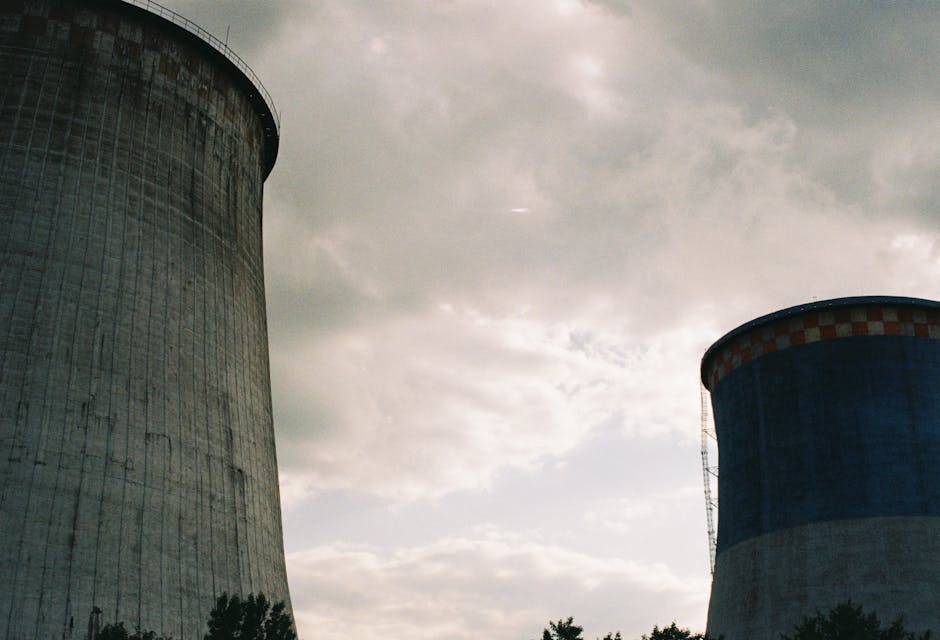
Photo: rescriptt rescriptt
The federal agency that controls whether a nuclear reactor gets built in America is rewriting its rulebook under a deadline from the White House, and a group of startups with names like Aalo Atomics, Oklo, and Radiant Energy are waiting to see whether the new rules actually deliver.
The Nuclear Regulatory Commission is fast-tracking three major regulatory changes to comply with a May 2025 executive order in which President Trump directed the agency to approve new reactor designs within 18 months. The goal behind the order is sweeping: grow America's nuclear capacity from roughly 100 gigawatts today to 400 gigawatts by 2050, largely to power the data centers and large manufacturing facilities that are driving a surge in electricity demand.
Why the licensing process matters as much as the reactors themselves
Building a nuclear reactor has always required two things: the engineering to make it work and the regulatory approval to turn it on. In the United States, the second part has historically taken longer than the first. Licensing timelines stretching a decade or more have been a standard reason why nuclear projects stall or die before a single concrete wall goes up.
The reform at the center of the new proposals would let companies that already built and tested a reactor under Department of Energy or Department of Defense pilot programs skip much of the duplicate review work when they apply for a commercial license. The idea is that if the NRC was already in the room while the DOE was running its oversight, the agency doesn't need to start from scratch when the company comes back with a commercial application.
"By the time you come to submit a commercial application, the NRC will have already seen what you're doing, already been in meetings where DOE was doing its oversight," said Amy Roma, a partner at law firm Orrick, Herrington and Sutcliffe who leads its global nuclear practice.
The 10 companies selected for DOE's Reactor Pilot Program stand to benefit directly. The program is aiming to have at least three reactors reach the point of a self-sustaining chain reaction by July 4 this year. Those companies include Aalo Atomics, Oklo, Last Energy, and several others. A parallel set of Department of Defense pilot programs, involving Oklo, Westinghouse, BWXT, and Antares, would also feed into the new pathway.
The rule has skeptics inside the very group it's supposed to help
Not everyone in the industry thinks the reform is sharp enough to deliver real speed.
Oklo, which is in both the DOE and DOD programs, said the proposed rule places most of the burden on applicants to explain how their prior work applies, without spelling out how that credit actually shortens the NRC's review timeline. "To be effective, the NRC should define a clear process for accepting prior DOE-authorized work and show how it will reduce duplicative review," said Bonita Chester, Oklo's head of communications.
Aalo Atomics, for its part, joined the DOE program specifically to generate operational data from its 10-megawatt experimental reactor that could be used to support its larger 50-megawatt commercial product. "This rule turns that data into something the NRC can formally credit," said Yasir Arafat, Aalo's chief technology officer. But Arafat also noted that not every developer will choose the DOE route. Some may go directly to the NRC for a prototype license, depending on what makes sense for their specific technology and risk profile.
The NRC plans to finalize this rule by November. Whether it does so in a form that actually compresses timelines, rather than simply reorganizing the paperwork, will determine whether the 18-month approval target is realistic or aspirational.
The broader question running underneath all of this is whether the regulatory system can change fast enough to match the speed of both the technology and the political will behind it. American nuclear policy has swung between ambition and paralysis for decades. The startups now in the DOE pilot program are betting this time is different. The November deadline will be an early signal of whether the machinery of federal oversight can keep up.