The West is building a rare earths supply chain without China
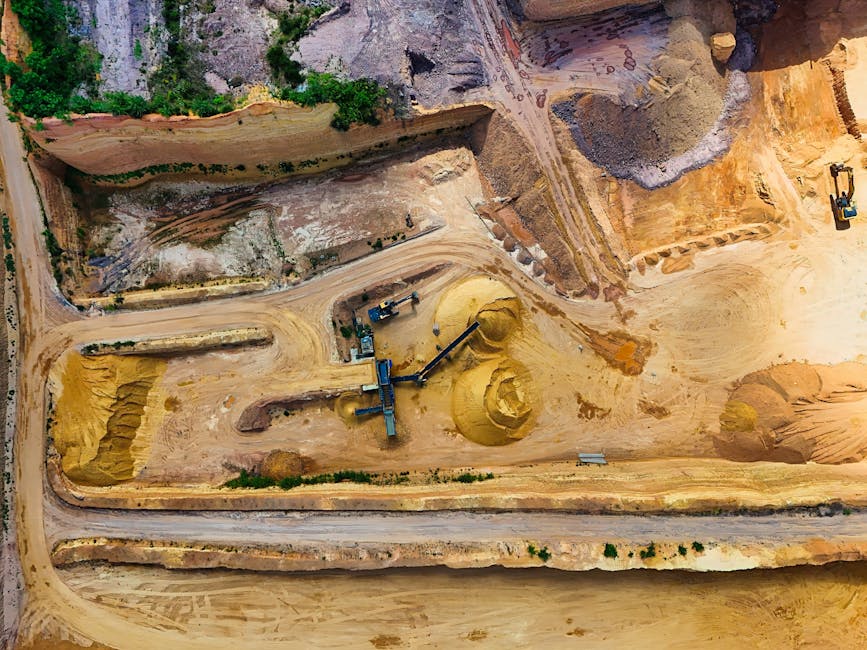
Photo: Volker Braun
The magnets inside your electric vehicle and the turbines generating wind power depend on a handful of materials that China currently controls. That dependence is now being actively dismantled, and this week marked one of the clearest signs of how far that effort has come.
Arafura Rare Earths approved construction of its Nolans project in Australia's Northern Territory on Thursday, committing $1.6 billion to build what will become the country's third-largest rare earths operation. Construction starts in September. First production is expected by mid-2029.
The specific material at stake is neodymium-praseodymium oxide, the compound used to make the permanent magnets that power EV motors and wind turbines. Nolans is designed to produce 4,440 metric tons of it per year, enough to meet roughly 5% of global demand, according to Australian government projections.
Who is paying for this
The financing behind Nolans reflects how seriously Western governments are treating the supply problem. Export credit agencies from the United States, Canada, Germany, and South Korea all committed funding alongside commercial lenders and manufacturers. Australia's richest person, Gina Rinehart, whose company Hancock Prospecting owns a 15.5% stake in Arafura, has committed roughly $60 million (Australian $85 million) to a new share sale announced Friday that will raise approximately $250 million to cover the equity portion of the project's cost.
The buyers are already lined up: South Korean automakers Hyundai and Kia, German wind energy company Siemens Gamesa, and commodity trader Traxys. Arafura says it has now secured about 93% of its binding sales target for the material coming out of the mine.
Australia will also take 500 metric tons annually for its own strategic reserve, which is set to be operational by year-end.
Why this matters beyond Australia
The Nolans approval came on the same day that a separate company, Critical Metals, signed a 15-year supply agreement with REalloys for rare earth concentrate from the Tanbreez project in Greenland, one of the world's largest known deposits of heavy rare earths. REalloys will purchase 15% of annual production and gets priority access to dysprosium and terbium, two materials used in high-performance magnets that can withstand heat.
Taken together, these two deals are part of a visible structural shift. China dominates not just the mining but the processing of rare earths globally, which gives it leverage over the industries, and the countries, that depend on those materials. Export credit agencies from multiple governments committing to a single Australian mine is not routine finance. It is industrial policy.
Australia's Treasurer Jim Chalmers called the Nolans decision "essential to our economic security and to our national security." That framing would have sounded alarmist a few years ago. Now it is the standard language of allied governments talking about critical minerals.
The practical consequence for consumers is not immediate. Nolans won't produce anything until 2029, and the full transition of EV and wind supply chains away from Chinese materials will take years beyond that. But the economic logic behind cheap EVs and the geopolitical logic behind energy independence both point in the same direction: the Western world needs its own supply of these materials, and it is now willing to put government money on the table to get it.
The deposit at Nolans was discovered three decades ago. It took that long to reach this moment, which is itself a warning about how slowly the physical world changes even when the political urgency is real.