TotalEnergies is selling a leaking Nigerian oil field, and activists want to know the terms
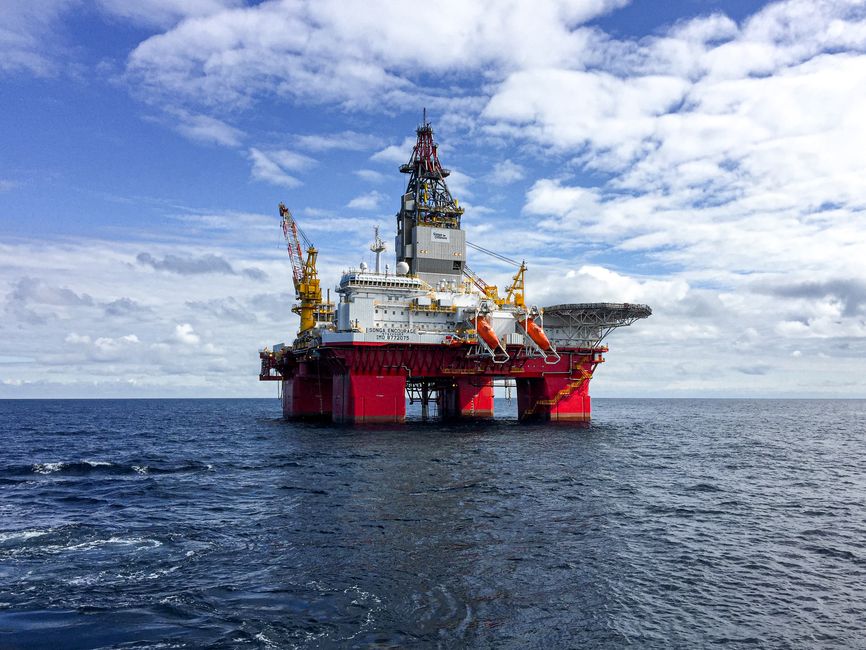
Photo: Jan-Rune Smenes Reite
TotalEnergies is trying to sell a 10% stake in one of Nigeria's most troubled oil operations, and a coalition of environmental groups is suing the French oil giant to find out exactly what environmental commitments are baked into the deal.
The lawsuit, filed Wednesday in a French civil court by Friends of the Earth France and several other nonprofits, targets the planned sale of Total's share in a Nigerian onshore asset formerly known as SPDC. The buyer is a local company called Vaaris. Nigerian regulators have not yet approved the transaction, which was first announced in January.
A pipeline network that bleeds oil
The asset runs roughly 4,000 kilometers of pipelines and flowlines through the Niger Delta, a region where oil theft, sabotage, and operational failures have caused hundreds of spills over the years. Shell operated the asset for decades before selling its 30% stake to a Nigerian company and walking away. Eni, which holds a 5% stake, is also trying to sell.
TotalEnergies CEO Patrick Pouyanne described the situation at a shareholder meeting in May with unusual bluntness. "There is a national sport of sorts involving making holes in these pipes to take the oil and load it onto tankers. It's like the Wild West," he said. He acknowledged that Total was responsible for confirmed pollution cases under its ownership but argued that future leaks would be Vaaris's problem, and that reduced sabotage under local ownership should mean less pollution going forward.
The activists are not buying that logic. Their lawsuit cites France's corporate duty of vigilance law, which requires French companies to actively reduce environmental and human-rights risks connected to their operations, including overseas ones. The NGOs want access to the environmental management plans written into the sale agreement. If they review those documents and find them inadequate, they can file a follow-up lawsuit asking the court to compel Total to take concrete remediation steps.
Who actually cleans this up?
That second step is the real lever. The first lawsuit is about getting the documents. The second would be about forcing action.
The deeper concern is whether Vaaris can actually handle what it's buying. Nigeria's upstream oil regulator must confirm, before approving any sale, that the buyer has the technical and financial capacity to operate the asset and maintain environmental standards. But Vaaris has missed multiple deadlines to close the transaction. And the pattern here is not encouraging: when Shell sold its 30% stake to Renaissance Africa Energy Company, Shell had to loan the buyer money to complete the deal.
Ken Henshaw, executive director of We the People, an NGO based in the Niger Delta that is party to the lawsuit, put it plainly. "None of the divestments so far has involved a blueprint for environmental remediation," he said. "The Nigerian government is more interested in how the successor companies will expand the assets and generate more oil for revenues rather than managing environmental issues."
The ownership structure makes this messier. Together, Total, Eni, and Renaissance Africa Energy hold 45% of the renamed asset. Nigeria's state oil company holds the remaining 55%. Cleanup costs and liability questions are spread across that table, and no one has yet agreed on who owes what to communities that have lived alongside these spills for decades.
The broader pattern is a familiar one in the energy industry right now. International oil companies are offloading assets that are operationally difficult, politically exposed, or incompatible with their public climate commitments. The question France's duty of vigilance law is now forcing into court is whether "selling the asset" is the same thing as "ending the liability." If the NGOs get those documents, and if they find the environmental plans thin, the answer could start to look like no.
Related Posts





Recent


Oct 10, 2026