Trump just paid Invenergy $765 million to kill four wind projects

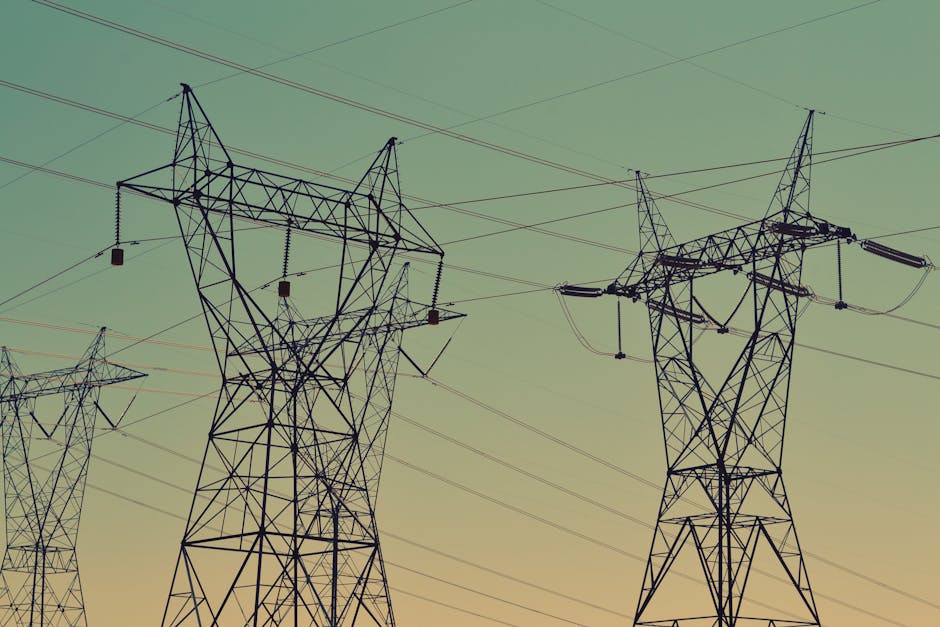
Photo: John Lines
The Trump administration just agreed to pay a Chicago-based energy developer $765 million to walk away from four offshore wind leases, and the states that would have received that electricity are getting nothing in return.
The deal, announced Wednesday by the Department of the Interior, compensates Invenergy for surrendering leases off the coasts of New York, California and Maine. All four were in early stages of development. In exchange, Invenergy says it will invest a portion of the payment in natural gas power plants across Indiana, Wisconsin, Iowa, Kansas and Missouri, and in geothermal projects in the Western United States.
What's actually happening here
This is not a one-off negotiation. It is the second major buyout in a matter of weeks. Earlier this month, the administration announced a nearly $800 million payment to France's TotalEnergies to cancel a separate offshore wind lease off New York. Seven states have already sued over that deal, alleging the administration misused a government fund reserved for legal settlements even though no lawsuit existed between the two parties. The Interior Department says the Justice Department reviewed both agreements and that they went through appropriate channels.
The pattern is now legible. The Trump administration has made blocking offshore wind a formal policy objective, and it is willing to spend public money to achieve it. Interior Secretary Doug Burgum framed the Invenergy deal as a win for consumers: "We applaud Invenergy for recognizing the importance of baseload power and investing in energy solutions that deliver real benefits to American consumers."
Who actually pays, and who loses
The money comes from a government fund. Taxpayers are, in effect, purchasing the cancellation of energy projects that were never given the chance to produce power.
The substitution here matters. Natural gas plants in Iowa and Indiana do not solve an electricity supply problem in coastal New York or Maine. The offshore wind industry group Turn Forward said the deal cancels capacity "at a time of soaring demand" and that replacing coastal wind with gas or geothermal in another region "does nothing to address rising ratepayer affordability concerns, reliability challenges or potential gaps in power supply in the Northeast and Mid-Atlantic."
Electricity demand in the Northeast is rising sharply, driven in part by data centers and the partial electrification of heating and transportation. The wind projects that were cancelled sat near the coastlines where that demand is concentrated. Gas infrastructure built in the Midwest serves a different grid entirely.
The bigger question
The legal fight over the TotalEnergies payment will likely determine whether this playbook survives. If courts find that using a legal-settlements fund to pay companies that never sued the government is improper, the Invenergy deal could face similar scrutiny. Invenergy itself declined to comment on the legality of the arrangement. A spokesperson for the Justice Department said the agency looked forward to "continued cooperation from companies that are reevaluating their energy investments," which reads less like a legal assurance and more like a signal to others in the industry.
For now, Invenergy says it has not ruled out returning to offshore wind if market conditions change. That is a reasonable hedge. But the immediate effect is that four lease areas, two in the Gulf of Maine and one each off New York and California, have been cleared of development for the foreseeable future.
Roughly $1.6 billion in public payments have now gone to two companies to not build offshore wind. That number will almost certainly grow.