Ukraine and Russia are torching the world's grain supply

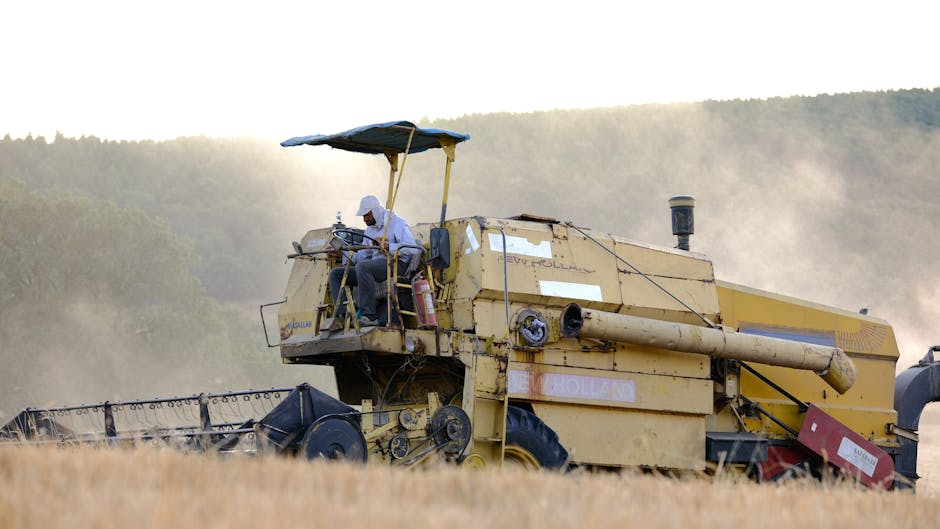
Photo: Péter Borkó
Russia and Ukraine spent the summer destroying each other's ships, and the world's wheat supply is caught in the middle. Attacks on vessels and port infrastructure in the Black Sea have pushed Russian grain exports down to roughly 40% of normal capacity in August, according to Tatiana Orlova, lead emerging markets economist at Oxford Economics. For countries that depend on imported grain, that number is the difference between stable food prices and genuine hardship.
The human cost came first. Twenty-three sailors were killed in July alone, across 35 ships attacked in the Black Sea, according to estimates from the Turkish seafarers' union. That single month saw more crew deaths than the entire previous period of the war combined. The Black Sea is now, by that measure, the most dangerous body of water in the world for commercial shipping, surpassing even the Red Sea and Strait of Hormuz, where US-Iran hostilities have kept shipping on edge.
How it got this bad
Russia started it, in the months after its 2022 invasion, with waves of strikes on Ukrainian port infrastructure designed to prevent Kyiv from exporting grain at all. This July, Russia hit Ukraine's main grain export hubs at Odesa and Chornomorsk again.
Ukraine hit back. Ukrainian drones have struck Russian tankers, including ships Kyiv says belong to a shadow fleet Russia uses to move oil around Western sanctions. Ukraine has also targeted ships and port buildings at Novorossiysk, Russia's main Black Sea port for both oil and grain. A burned-out Russian cargo ship, the Omskiy-107, recently ran aground on Turkey's Black Sea coast after its crew abandoned it following a drone strike, the unmanned vessel drifting hundreds of miles before nearly reaching the Bosphorus.
The result, according to analysts at maritime risk firm Vanguard, is that commercial vessels are now at risk not just near ports but across a wider stretch of the Black Sea. The danger zone has expanded.
Who pays
Russia is the world's largest grain exporter. Most of its wheat, barley, and maize goes to the Middle East and North Africa, particularly Turkey and Egypt. Ukraine is the fifth-largest grain exporter globally. Together they supply a significant share of the calories consumed by some of the world's most food-insecure populations.
More than 70% of Russia's seaborne grain exports normally leave from Black Sea ports, with another 20% from the Sea of Azov, which Russia suspended shipping through in July after Ukrainian drone attacks. Russia has tried rerouting some exports through the Caspian Sea, the Baltic, and the Pacific, but those alternatives cannot absorb the volume. Black Sea routes exist for a reason.
Ukraine's position is just as constrained. Despite a bumper harvest this year, Kyiv managed to export only about 1.4 million tonnes in July, roughly a third of what it could have shipped using sea, rail, river, and road combined.
When two of the world's largest grain suppliers simultaneously lose access to their primary export channels, the pressure lands on global food prices. Countries that import most of their grain, particularly in north Africa and the Middle East, have limited ability to absorb sudden supply shortfalls. They typically have fewer reserves, thinner government food subsidies, and populations that already spend a large share of income on food. Price shocks there tend to hit fast and hard.
The International Maritime Organization, the UN's shipping agency, has condemned what it called the "deterioration of maritime security around the globe." That kind of institutional language tends to lag behind reality. The reality, for sailors and for grain importers, is already here.
If the Black Sea remains effectively contested through the fall harvest season, the disruption will not be a temporary spike. It will compound existing food price pressures, arriving at the worst possible time for the countries least able to absorb it.