Ukraine wants Europe's gas back in its vaults before winter
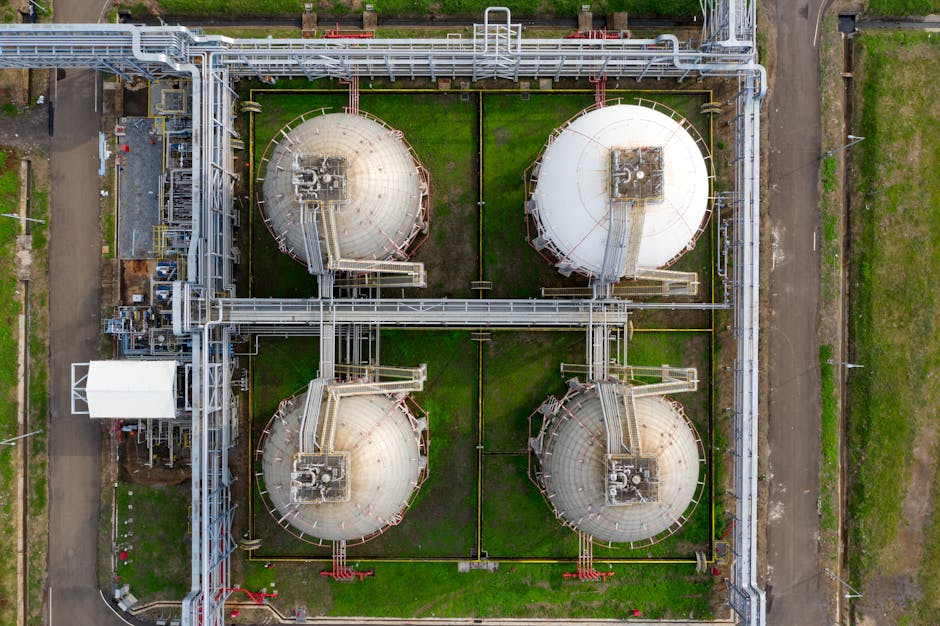
Photo: Tom Fisk
Europe's ability to stay warm next winter depends, in part, on whether energy traders decide to park their gas in a country that is still being bombed.
That is the calculation Ukraine is asking foreign companies to make. On Tuesday, Kyiv's state energy regulator cut the fee for storing gas in Ukraine's underground facilities by 11%, a deliberate push to attract foreign gas back into storage before the next heating season begins.
Ukraine holds more underground gas storage capacity than any other country in Europe, enough to hold more than 30 billion cubic meters. That is a significant buffer for a continent that spent years trying to wean itself off Russian supply and now depends on careful management of what it has.
A vault that got emptied
The potential here was real, and recently squandered. Foreign companies stored up to 3 billion cubic meters of gas in Ukraine in 2023, using the country's facilities as a kind of European energy warehouse: inject in spring when prices are low, draw down in winter when demand spikes and prices rise. It is a sound commercial strategy, and Ukraine's geography made it attractive.
Then Russia escalated its attacks on Ukraine's energy infrastructure, targeting the gas sector directly. Storage levels fell to virtually zero. The commercial logic survived; the security calculus changed.
The regulator's announcement frames the fee cut as creating "favourable conditions" for rebuilding reserves and making storage services more accessible. The new rate can drop further for companies that book storage for at least a year, though it rises for short bookings of a month or a single day. That structure is designed to encourage exactly the kind of long-term commitment that stabilises supply planning, rather than speculative short-term trades.
Why this matters beyond Ukraine
Spring is when this kind of decision gets made. Gas demand falls as heating season ends, prices tend to soften, and storage operators across the continent begin refilling their reserves. Ukraine is trying to insert itself back into that annual cycle.
If it works, there are a few consequences worth tracking. European buyers who secure Ukrainian storage could have more flexibility in how they manage winter supply, potentially easing pressure on storage sites further west. Ukraine, in turn, earns revenue from storage fees and re-establishes its role as a piece of European energy infrastructure rather than purely a drain on it.
The harder question is whether the fee cut is enough to overcome the security risk in traders' minds. A cheaper tariff does not rebuild a pipeline that has been struck, and it does not insure a company against losing injected gas to a future attack. The regulator can set prices; it cannot set the trajectory of the war.
What the move does signal is that Ukraine is serious about positioning itself as a contributor to European energy security, not just a recipient of support. That framing matters politically as much as commercially. Countries that help keep European lights on tend to have more leverage in the conversations that follow.
Whether foreign companies agree with that calculus, in enough volume and on long enough contracts to actually move the needle on storage levels, is the number to watch as spring turns to summer.