A $2.55 billion bet that aerospace will keep booming
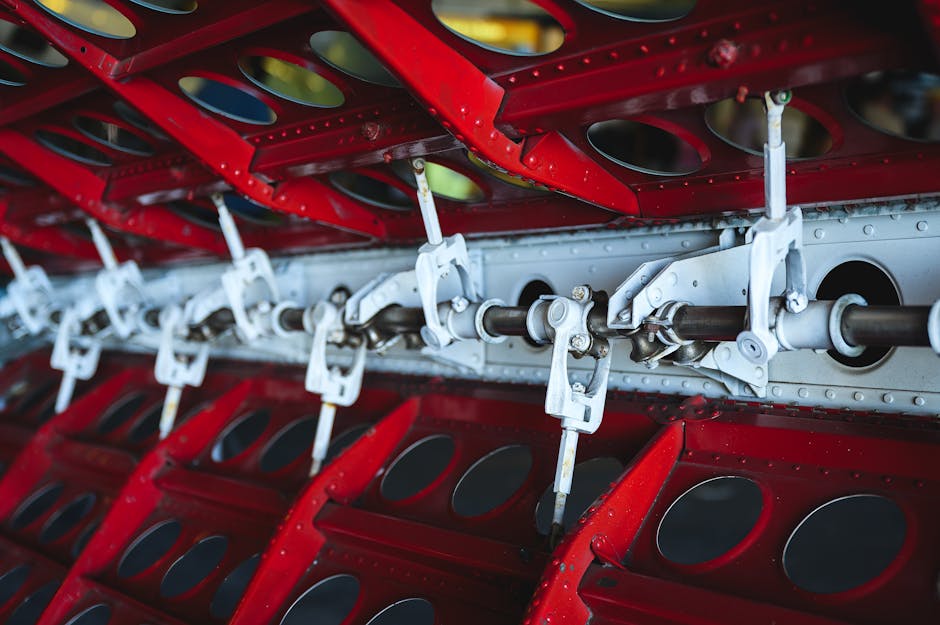
Photo: Brett Sayles
The companies that build the parts inside aircraft are having a very good run, and the money is following.
Parker-Hannifin, a major supplier of airframe and engine components to Boeing and Airbus, announced Thursday that it will acquire Circor Aerospace from private equity firm KKR for $2.55 billion. The deal is expected to close in the second half of 2026.
Circor Aerospace makes components for commercial aircraft. Adding it to Parker-Hannifin's existing portfolio deepens the company's position in what the industry calls high-margin aerospace systems, meaning the kinds of specialized, precision parts that command strong pricing power because few companies can make them reliably.
Why this deal, why now
Parker-Hannifin raised its annual profit forecast just last month after beating quarterly estimates on strong demand for aerospace and motion control products. That momentum is the context for a $2.55 billion acquisition. When a company is already winning in a sector, buying more of it is a logical move, provided the price is right and the timing holds.
KKR, for its part, acquired Circor in 2023 through one of its North American investment funds. It is not selling the whole company. It is keeping the naval and industrial divisions, which it describes as "strategically important end markets," and selling only the aerospace piece. That split is deliberate. Defense-linked naval contracts carry their own long-term demand profile, and KKR apparently sees more runway there.
This is KKR's fourth exit from an industrials investment this year, which tells you something about where private equity sees the cycle. Industrial and aerospace assets bought a few years ago are being sold now, at prices that reflect strong underlying demand. The window for that kind of exit tends not to stay open indefinitely.
What this means beyond the deal itself
For the people who work at Circor Aerospace, there is a concrete near-term signal: KKR has said that upon closing, all Circor employees will receive a dividend funded by a portion of the sale proceeds, in recognition of the company's strong performance. That is an unusual detail to include in an announcement, and it suggests the transaction was structured partly to maintain workforce stability during the ownership transition.
The bigger picture here is structural. Commercial aviation has been in a sustained recovery since the pandemic grounded fleets globally, and the supply chain that feeds it is still catching up. Boeing and Airbus have long order books. Airlines are replacing aging jets. The manufacturers who supply specialized components to those programs are in a position of real leverage, which is why Parker-Hannifin keeps posting strong results and why a private equity firm can sell an aerospace division for $2.55 billion.
That dynamic does not last forever. Aircraft production cycles are long, and the supply chain constraints that have kept component makers busy will eventually ease. But right now, the industrial logic of this acquisition is straightforward: Parker-Hannifin is betting that commercial aviation demand will remain strong long enough to justify paying a significant premium for a business that is already performing well.
For ordinary travelers, the connection is indirect but real. When the supply chain for aircraft parts consolidates into fewer, larger, better-capitalized suppliers, it tends to improve delivery reliability and reduce the production bottlenecks that have contributed to aircraft delays and tight capacity in recent years. Whether that benefit reaches passengers through more available flights or lower fares depends on factors well beyond this single deal. But the investment thesis behind it is ultimately a bet that flying will remain in high demand, and that the companies positioned to supply it will be worth a great deal.