Dakota Access pipeline stays open, but tribes still fear their water
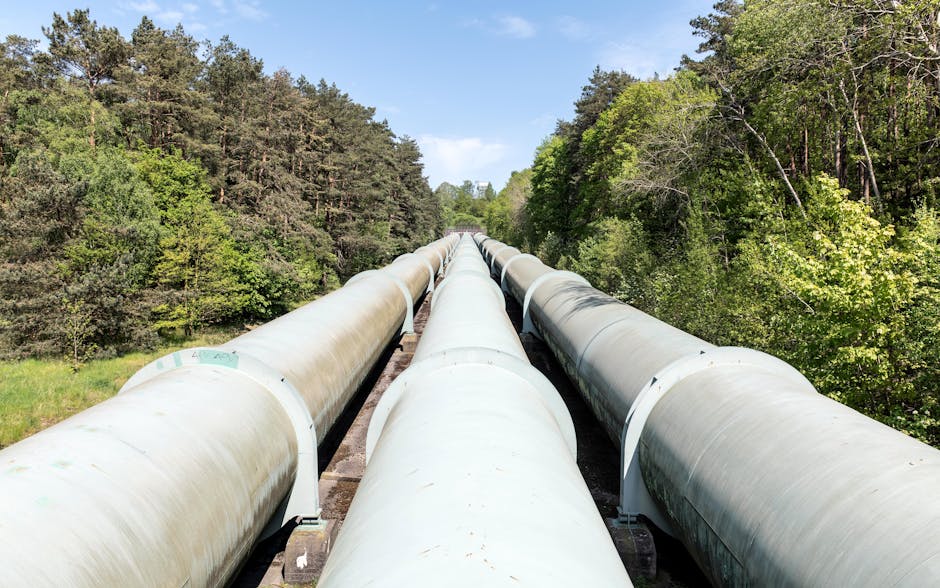
Photo: Wolfgang Weiser
For the Standing Rock Sioux and other tribes along the Missouri River, the worst-case scenario is a pipeline rupture beneath Lake Oahe, the reservoir their communities draw drinking water from. That scenario is still possible. The federal government just decided it's manageable.
The U.S. Army Corps of Engineers announced Thursday that the Dakota Access Pipeline can continue operating under a set of stricter environmental and safety conditions. The decision ends, at least for now, a years-long legal battle over whether the pipeline should have a proper permit to run under the lake at all.
How it got here
A federal court ruled in 2020 that the Army Corps had cut corners when it first approved the pipeline's route. It ordered the agency to conduct a more thorough environmental review. The pipeline, owned by Texas-based Energy Transfer, kept moving oil the entire time that review was underway.
That review is now complete, and the Army Corps chose from five options. It picked the one that lets the pipeline stay in place, but with conditions: enhanced leak detection, expanded water testing above and below ground, emergency water supply planning in case of a spill, and independent safety audits of the pipeline systems. The agency said it would oversee compliance for the life of the pipeline.
The pipeline is not a minor piece of infrastructure. It is the largest oil pipeline out of the Bakken shale region of North Dakota, capable of moving up to 750,000 barrels of oil per day south to Illinois. Shutting it down would have disrupted a significant chunk of domestic oil movement and likely pushed some of that oil onto rail cars, which carry their own safety risks.
Who wins and who carries the risk
Energy Transfer called the decision a vindication. The company's communications vice president, Vicki Granado, said DAPL "has been safely operating for nearly 10 years and is a critical part of U.S. energy infrastructure." From a pure logistics standpoint, that is accurate. The pipeline has not spilled into the lake.
But the tribes' position is not irrational either. A portion of the pipeline runs directly under Lake Oahe, an artificial reservoir on the Missouri River. The tribes use the river for drinking water. They also consider it sacred. Their lawyers have argued that no level of monitoring eliminates the risk of a spill, and that the consequences of one, for communities without easy alternative water sources, would be severe.
The Army Corps' new conditions are real. Better leak detection and mandatory emergency water planning are not cosmetic. But they are also premised on a spill being detectable and containable quickly enough. That is an engineering assumption, not a guarantee.
The decision also explicitly rules out any new pipeline construction at the lake crossing. The existing route is grandfathered in; it cannot be expanded.
The bigger pattern
This case is part of a longer argument about who bears the costs when national energy infrastructure runs through land and water that specific communities depend on. The federal government has consistently treated energy continuity as the higher priority, offering safety upgrades as the compromise. Tribes and environmental groups have consistently argued that upgrades are not the same as protection.
That argument will continue in court. Native American tribes opposed to the pipeline have not signaled they will accept Thursday's decision as final. Given the legal history here, further litigation is more likely than not.
For now, 750,000 barrels of Bakken crude per day will keep moving south. The water monitoring gets better. The underlying dispute does not go away.