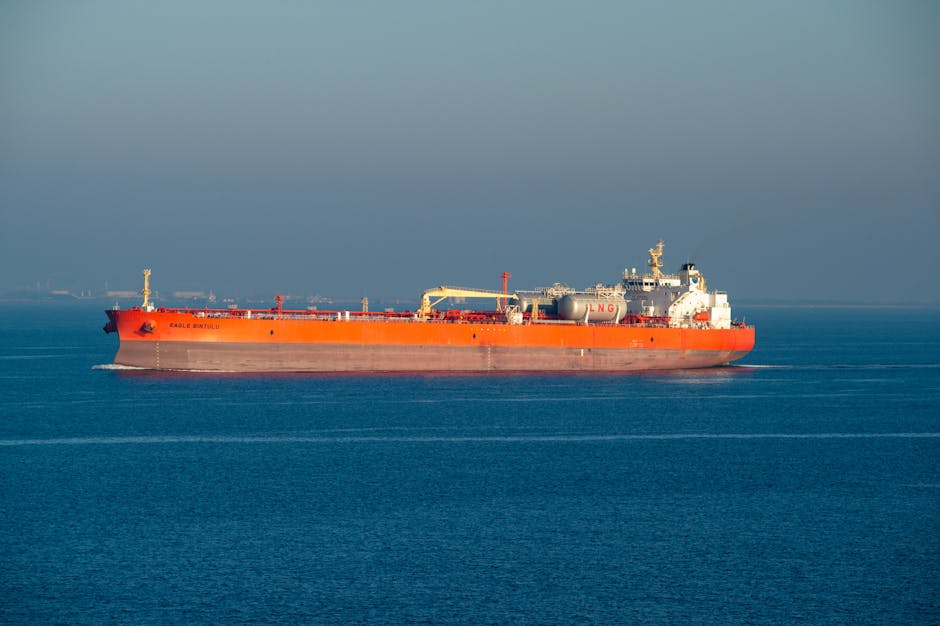
A nuclear plant just got hit by a drone. The Gulf crisis isn't over.
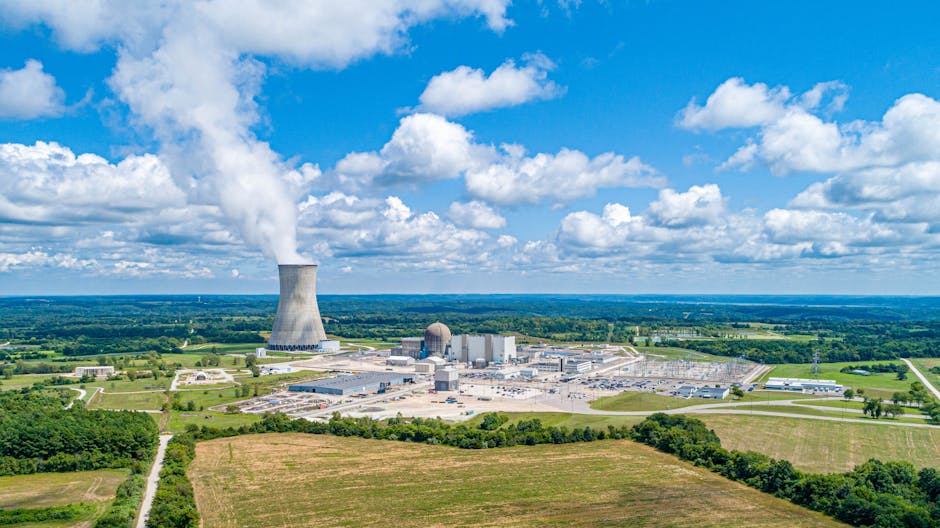
Photo: Michael Gattorna
A drone hit a nuclear power plant in the United Arab Emirates on Sunday. No one was hurt, and the plant kept running — but the attack is a signal of how badly the ceasefire between the U.S., Israel, and Iran is fraying.
The drone struck an electrical generator outside the inner perimeter of the Barakah Nuclear Power Plant, Abu Dhabi officials said. Radiological safety was unaffected. The International Atomic Energy Agency said it was watching the situation closely. Emirati officials did not blame any party directly, and no group claimed responsibility — but the UAE has previously accused Iran of targeting its energy infrastructure, calling such attacks an escalation of the broader regional conflict.
This is not an isolated incident. Since the war began with U.S. and Israeli strikes against Iran on February 28, Iran has repeatedly struck Gulf states that host American military bases, hitting civilian and energy sites. It escalated those attacks on the UAE earlier this month after President Trump announced a naval mission to force open the Strait of Hormuz — a mission he then suspended after 48 hours.
The strait is the story
The Strait of Hormuz is the narrow chokepoint through which roughly a fifth of the world's oil and liquefied natural gas passes. Iran's hold on that route, combined with a U.S. blockade of Iranian ports, has produced what Reuters described as the biggest oil supply crisis in history. Prices have surged. Shipping insurers have repriced the entire region. The cost of that disruption is already embedded in fuel prices, freight rates, and the goods those ships carry.
More than five weeks after a tenuous ceasefire took effect, the two sides remain far apart. Washington is demanding Iran dismantle its nuclear programme and release its grip on the strait. Tehran wants compensation for war damage, an end to the U.S. port blockade, and a halt to fighting on all fronts — including Lebanon, where Israel is still battling Iran-backed Hezbollah. Israel and Lebanon agreed Friday to a 45-day ceasefire extension, but clashes have continued.
Trump met with Chinese President Xi Jinping this week without securing any indication that China would help push Iran toward a deal. He has threatened to resume strikes if Iran doesn't agree to terms. A senior Iranian military spokesperson responded Sunday that if those threats were carried out, the U.S. would "face new, aggressive, and surprise scenarios, and sink into a self-made quagmire."
Iran's parliament security chief said Saturday that Tehran had prepared a mechanism to manage traffic through the strait along a designated route — details to come. That could be a genuine off-ramp, a negotiating chip, or both.
What this means beyond the region
A drone strike on a nuclear facility — even one that causes no radiation leak — changes the psychological terrain of a conflict. It demonstrates that critical infrastructure is reachable. It raises the cost of inaction for every government watching. And it pressures the ceasefire's already-thin credibility further.
For ordinary Americans, the most direct transmission from this conflict is energy prices. The strait disruption is already a supply shock. If fighting resumes — or if Iran's threatened "surprise scenarios" materialize — the next wave of price pressure would likely be sharper than what's already been felt.
The deadlock has a logic that's hard to break: each side has demands the other finds unacceptable, and the attacks in the meantime serve as leverage. What changed Sunday is that the leverage landed on a nuclear plant.