Stocks are flying. Bond markets are flashing a warning.
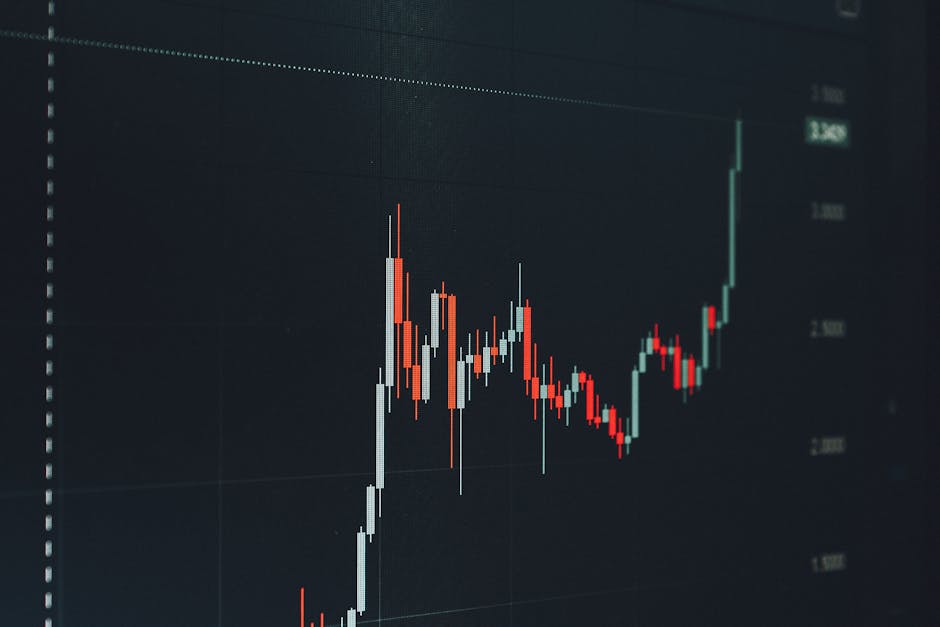
Photo: Arturo Añez.
The U.S. stock market has had a remarkable few months. Since hitting its low for the year in late March, the S&P 500 has surged more than 17%, carrying it to an 8% gain for 2026 even after a nearly 1% pullback on Friday. Corporate profits are coming in roughly 28% higher than a year ago — the biggest jump since late 2021. AI enthusiasm is fueling spending on data centers and chips. On paper, it looks like a healthy rally.
But in the bond market, something else is happening.
Over the past week, yields on long-term U.S. government bonds spiked sharply. The 30-year Treasury bond crossed above 5%, and the 10-year bond climbed above 4.5%. Those numbers matter because government bond yields set the floor for borrowing costs across the entire economy — mortgages, business loans, corporate debt. When they rise fast, the math on almost every investment changes.
Why this creates a problem for stocks
When bond yields climb, two things happen to stocks. First, companies and consumers face higher borrowing costs, which squeezes profits and spending. Second, bonds themselves start to look like a more attractive alternative to stocks — you can earn a reasonable return sitting in relatively safe government debt rather than taking on the risk of the market.
That second pressure is especially sharp right now. The S&P 500 is currently priced at about 21 times projected earnings for the next 12 months, well above its long-term average of around 16 times. Stocks are expensive by historical standards, which means they have less cushion if conditions shift.
"I do think there is a real fear that inflation is kind of embedded in the economy going forward," said Peter Tuz, president of Chase Investment Counsel. "You don't see any signs of it going down right now, and that is a real fear, and it will drive the market down if it continues."
The inflation concern isn't abstract. High energy prices and the unresolved war with Iran are hanging over markets. The Strait of Hormuz — a narrow waterway through which a significant share of the world's oil and liquefied natural gas moves — remains disrupted. Jack Ablin, chief market strategist at Cresset Capital, warned that even a few months' delay in reopening the strait to shipping could trigger "a brand new inflation regime for which investors just aren't prepared."
A market pulled in two directions
Paul Karger of TwinFocus, who manages money for wealthy families, described the mood at his client meetings bluntly: "Breakfast, lunch and dinner: the question is always about how to make sense of the fact that this is such a divided outlook" — with earnings telling a positive story but oil prices and inflation emerging as a negative.
His response has been to build large positions in cash, gold, and other commodities as a buffer, while still holding major technology and growth stocks. It's a hedge against uncertainty rather than a bet on a single outcome.
The reason stocks haven't fallen further, portfolio managers say, is that traders don't want to step aside if there's a real chance the geopolitical situation gets resolved quickly — and earnings remain genuinely strong. The AI investment wave, according to Jeremiah Buckley of Janus Henderson, could extend its effect on productivity and profits well into 2027.
But the bond market's move this week is a signal that at least some investors are starting to price in the risks the stock market has been brushing past. Inflation that stays elevated forces the Fed to hold interest rates higher for longer, which pushes bond yields up further, which makes those expensive stock valuations harder to justify.
The rally so far has been built on the assumption that the good news — strong earnings, AI growth — outweighs the bad. That assumption is now being tested.