A Russian gas ship spent six months at sea to dodge sanctions
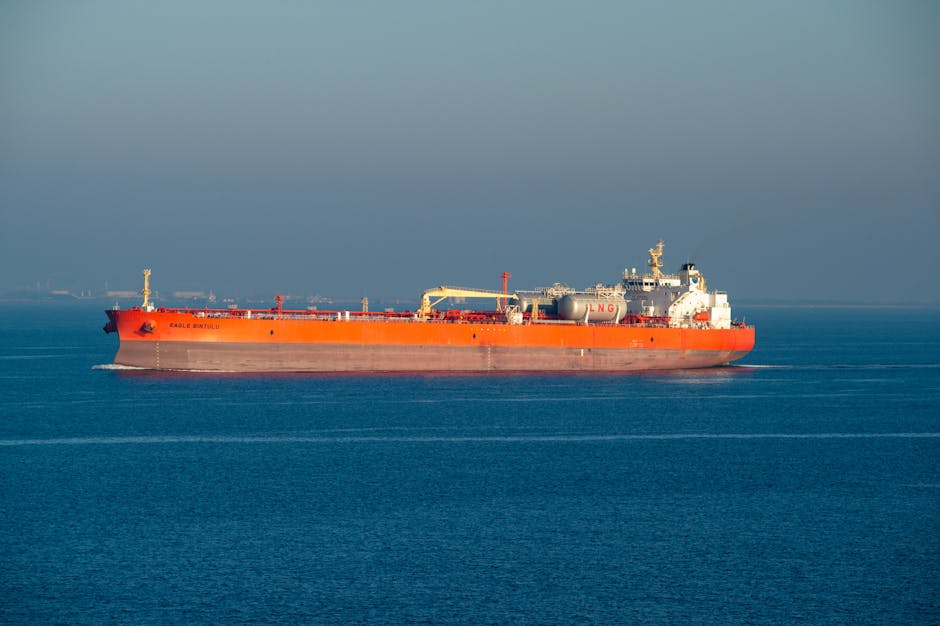
Photo: Oleksiy Yeshtokyn,🌻🇺🇦🌻
A ship carrying Russian natural gas left the Baltic Sea last December and finally docked in China this week. The voyage took nearly six months. A normal delivery on that route takes at most 45 days.
That gap is the story.
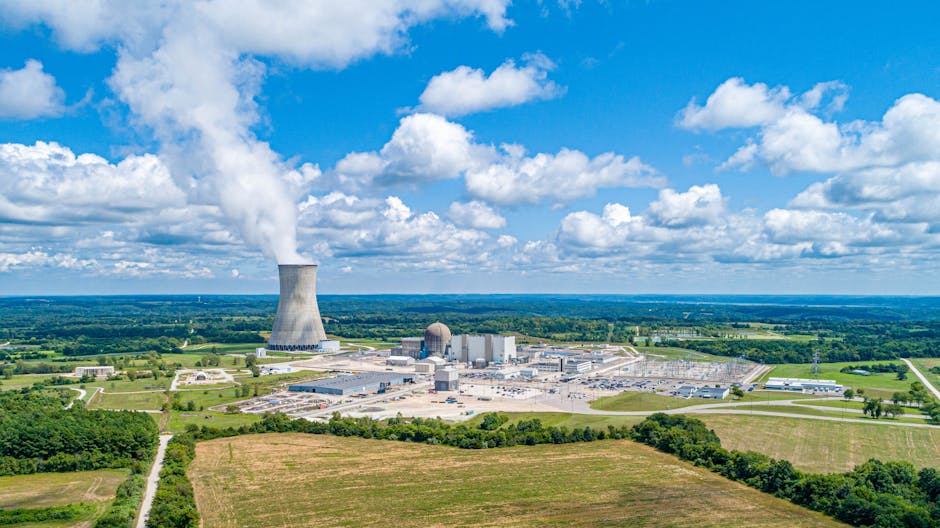
The gas carrier Perle loaded its cargo at Russia's LNG Portovaya terminal on December 8 and arrived at China's Beihai terminal on Tuesday, according to ship-tracking data from LSEG. Portovaya is under U.S. sanctions, imposed in February 2025. So is Arctic LNG 2, the plant operated by Russia's largest natural gas producer, Novatek, which uses the same Chinese unloading terminal for its own cargoes.
The Perle's delivery was the third cargo to reach China from Portovaya since Washington tightened sanctions earlier this year.
What sanctions actually do to a shipment
Economic sanctions rarely stop trade outright. What they do is raise the cost and complexity of moving goods. Buyers and sellers have to find ships that aren't owned or insured by Western companies. They have to find ports willing to accept the cargo. Payment channels have to route around the dollar-dominated financial system. Each workaround adds time, expense, and risk.
A six-month voyage instead of a 45-day one captures all of that in a single number. The gas got through, but the friction is real. Someone absorbed those costs, whether Russia, the buyer, or an intermediary.
For ordinary consumers, the immediate effect is indirect. China importing Russian LNG at a discount keeps Chinese industrial energy costs lower than they might otherwise be, which matters for the price of manufactured goods that move through global supply chains. Meanwhile, Europe, which has largely cut Russian pipeline gas, is competing for the same global supply of liquefied natural gas, partly from the United States, and prices in Europe reflect that tighter market.
The early buyers of Portovaya's gas were Turkey and Greece. From there, the supply chain gradually extended to Spain, Italy, and now China. That geographic expansion tells you something about how sanctioned energy trade works in practice: it doesn't stop, it reroutes. Each new market represents a country or company that has decided the discount on Russian gas outweighs the political or legal risk of buying it.
The longer game
Russia's ability to keep selling LNG matters beyond any single cargo. Novatek's Arctic LNG 2 project was supposed to be a major expansion of Russia's role as a global gas exporter. Western sanctions, including restrictions on equipment and financing, have slowed and complicated that expansion. But "slowed" is not the same as "stopped."
The pattern here mirrors what happened with Russian oil after 2022. A shadow fleet of tankers, operating outside Western insurance and financial networks, quietly kept Russian crude moving to buyers in Asia. LNG is harder to handle than oil and requires specialized ships and terminals, so the workarounds are more expensive. But the infrastructure for moving sanctioned Russian energy around the world is clearly being built, one long voyage at a time.
Whether sanctions are achieving their strategic goal depends on what that goal is. If it is to reduce Russian government revenue from energy, the answer is partially yes: lower volumes and discounted prices both bite. If the goal is to stop the flow of Russian energy entirely, the six-month journey of the Perle suggests the answer is no.