The $400 million machine that shapes what your next phone can do
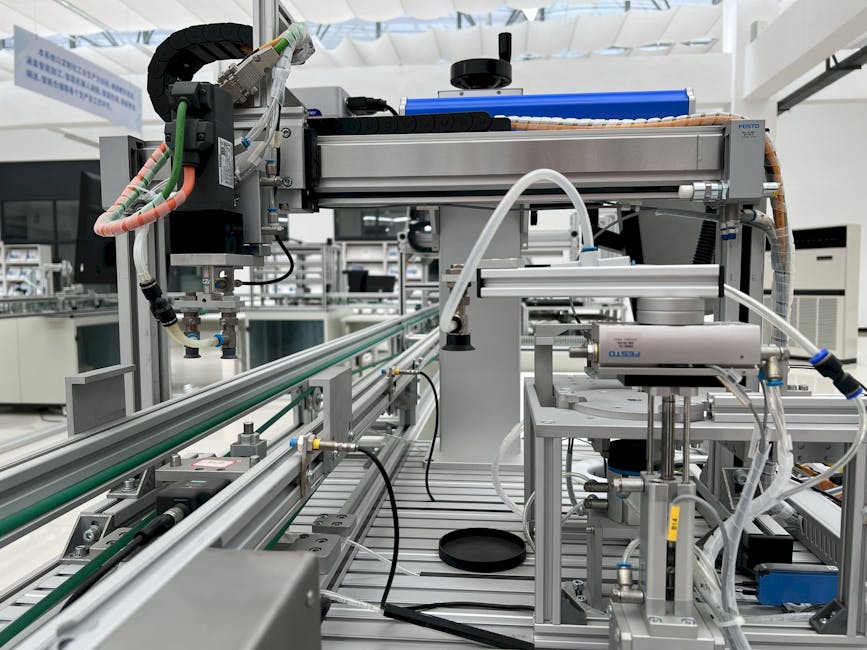
Photo: KJ Brix
The most consequential piece of manufacturing equipment you've never heard of is about to produce its first real products. Within months, according to ASML's chief executive, the initial chips patterned on its new High-NA machines will reach the market, a milestone that matters far beyond the semiconductor industry.
ASML, a Dutch company, makes the machines that make the machines that make your chips. No one else on earth does what ASML does at the cutting edge. Its new High-NA tool is the next step in that lineage: a device capable of etching finer, denser circuitry onto silicon than anything that came before it.
Speaking at an industry conference in Antwerp on Tuesday, CEO Christophe Fouquet said customers would see "the first few products wherever, in memory, in logic, being exposed on the High-NA system" in the coming months. He added that the tool would bring down costs for creating the circuitry in both the logic chips that power processors and the memory chips that store data.
Why this matters outside the chip industry
The density of circuitry on a chip determines what a device can do at a given size and power budget. More transistors packed into the same space means faster phones, more capable AI systems, smaller sensors, and cheaper computing over time. Each generation of chip manufacturing equipment is what makes the next generation of consumer technology physically possible.
That's the long-run promise. The short-run situation is more complicated.
Each High-NA machine costs up to $400 million. That is not a typo. For context, a single machine costs more than most mid-sized manufacturers are worth. TSMC, the world's dominant chip manufacturer and ASML's biggest customer, said just weeks ago that those prices are too high. When the company that buys more advanced chip equipment than anyone else on the planet calls something too expensive, it signals a real tension in how quickly this technology scales.
The concern is straightforward: if the machines cost too much, the chips they produce cost too much, and the economics of deploying them widely don't work. Manufacturers absorb the capital cost into the price of chips, and that cost eventually reaches the device in your pocket or the server running the software you use.
What ASML is betting is that the cost-per-pattern, the actual expense of creating each layer of circuitry, falls as the technology matures and manufacturers figure out how to use it efficiently. Fouquet's argument is essentially that the sticker price of the machine is misleading; what matters is the cost of each chip it produces, which the High-NA design is built to reduce.
A narrow chokepoint with wide consequences
There is a geopolitical dimension here that sits just below the surface. ASML's most advanced machines are subject to export controls. The United States and its allies have blocked shipments to China, on the theory that keeping advanced chip manufacturing out of Chinese hands slows Beijing's ability to build competitive AI hardware and military systems. ASML sits, rather uncomfortably, at the center of that policy. The company's machines aren't mentioned in this week's announcement, but every advance ASML makes widens the gap between countries that have access to the technology and those that don't.
For ordinary consumers, the immediate effect of this milestone is probably invisible. First-generation products on any new manufacturing process tend to be expensive and limited. The real benefit tends to arrive two or three generations later, when chipmakers have optimized the process and competition has pushed prices down.
But the months ahead will reveal something important: whether the companies that paid $400 million per machine can turn that investment into chips that justify the cost. If they can, the next wave of consumer devices gets smarter and cheaper. If they can't, one of the most expensive bets in manufacturing history starts to look like a problem.