Blackstone, KKR, and Brookfield just paid $16 billion to rent Kuwait's oil pipes
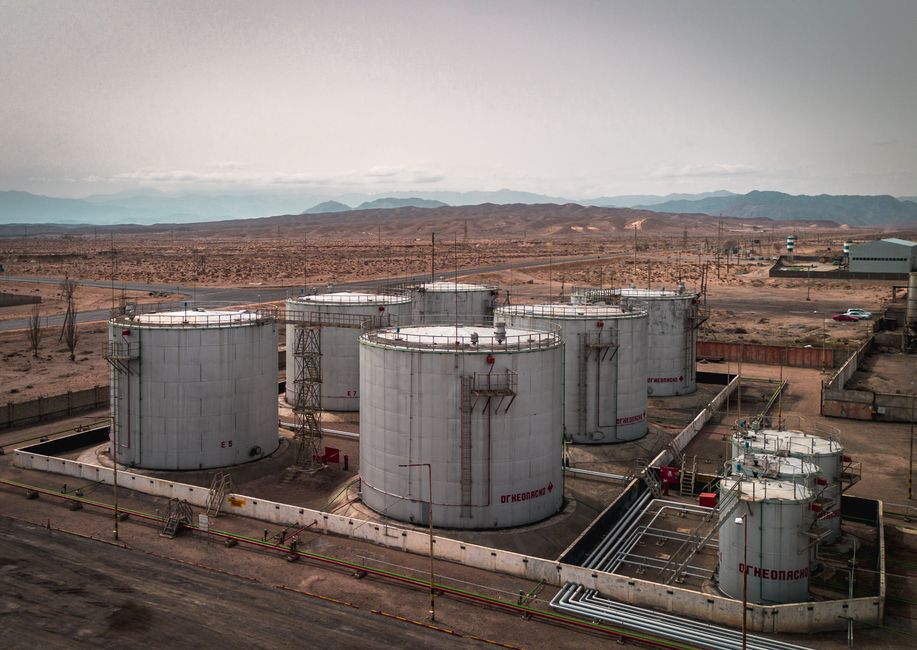
Photo: Мирон Гиндин
Blackstone, KKR, and Brookfield just committed $16 billion to lease a network of oil pipelines they will never own, and Kuwait is walking away with $7.85 billion in cash before the ink dries.
The deal, called Project Peregrine, was signed Saturday between Kuwait Petroleum Corporation and a consortium of the three American investment firms. Under the structure, Kuwait Oil Company, a KPC subsidiary, is forming a joint venture with the three funds for a period of 20.5 years. The Americans collectively hold a 49% stake. Kuwait keeps 51%, plus full ownership and operational control of the 13 pipelines, which stretch roughly 320 kilometres across the country. KPC called it the largest foreign direct investment in Kuwait's history.
What a "lease and leaseback" actually means
The mechanics here are worth a moment. Kuwait owns the pipelines. It is effectively selling a long-term right to collect revenue from them to Blackstone, KKR, and Brookfield in exchange for a large sum upfront. Then it leases those pipelines back and continues running them as before. Kuwait keeps the infrastructure. The investors get paid a fee tied to the volume of oil that flows through the network over the next two decades. Everyone bets that oil keeps moving.
For the American firms, this is the kind of deal their institutional clients, pension funds, university endowments, sovereign wealth funds, love: long-duration, inflation-linked, tied to a physical asset that produces predictable cash flows. The risk is that Kuwaiti oil throughput falls, or that the terms shift in ways that compress the tariff. The reward is steady income for twenty-plus years from one of the world's most prolific oil-producing regions.
For Kuwait, the $7.85 billion in upfront proceeds lands at a moment when Gulf states are trying to fund ambitious domestic investment programs without waiting for oil revenues to accumulate slowly over time. Saudi Arabia, Abu Dhabi, and others have been doing versions of this for years, monetising infrastructure assets, from pipelines to ports to data centers, to free up capital for economic diversification plans. Kuwait is now joining that wave.
Why this matters beyond the Gulf
The size of this transaction reflects something broader: American private capital is becoming a preferred financing partner for state-owned energy infrastructure in the Middle East. Blackstone, KKR, and Brookfield are not niche players. They collectively manage trillions of dollars and have the balance sheet to write checks that would strain most governments. Their willingness to put $16 billion into Kuwaiti pipelines signals that they see Middle Eastern oil infrastructure as a durable, low-political-risk bet, at least relative to other parts of the world.
For ordinary Americans, the more direct connection runs through retirement savings. Pension funds and endowments that invest in Blackstone, KKR, and Brookfield vehicles are indirectly funding this deal, and will collect returns if it performs. That is not unusual. Infrastructure deals of this kind have become a standard building block of institutional portfolios over the past decade, precisely because they offer the kind of stable, long-horizon returns that match the obligations of a pension fund paying out benefits decades from now.
The deeper pattern is one of governments in resource-rich regions discovering that selling long-term access to infrastructure, while retaining control of it, is a more efficient way to raise capital than borrowing or waiting for commodity prices to cooperate. It is financial engineering applied to the physical backbone of global energy supply. Whether that pattern accelerates depends largely on how much longer major oil producers believe the world will still need their pipelines at scale, and how much longer investors agree.
Twenty and a half years is a long time to make that bet. Both sides just made it.