Huawei's CFO cut a deal in 2021. Now her words go to trial.
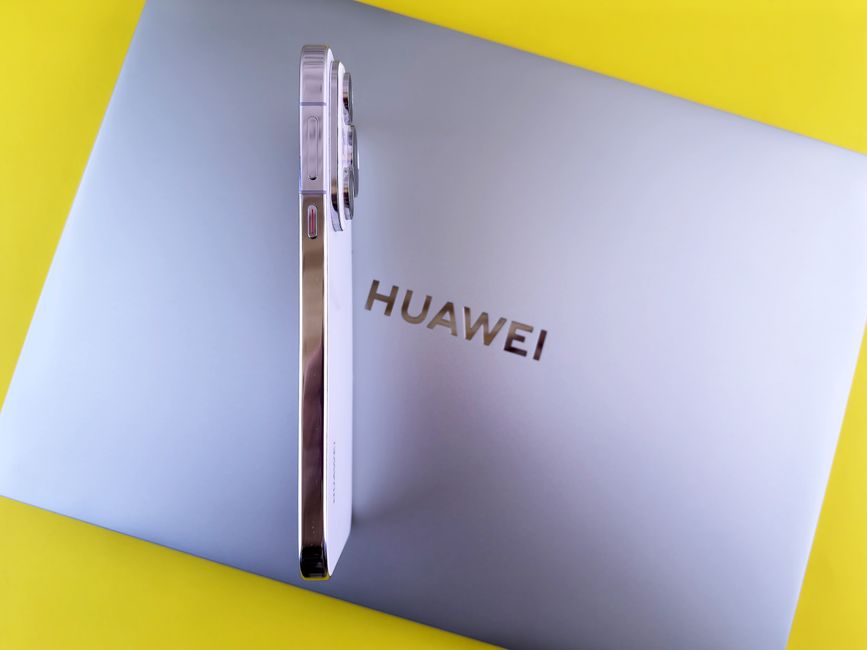
Photo: Andrey Matveev
Huawei's chief financial officer walked free from a 2021 deal she thought closed the book on her legal exposure. A federal judge in Brooklyn just ruled that the admissions she made to get that deal can now be used to convict the company she still runs.
Judge Ann Donnelly ruled Tuesday that Meng Wanzhou's signed, four-page statement of facts, in which she acknowledged lying to banks about Huawei's compliance with U.S. sanctions on Iran, is admissible at Huawei's upcoming criminal trial. The logic is straightforward: Meng is still Huawei's CFO. Her sworn admissions about conduct she carried out on the company's behalf belong to the company, not just to her.
Huawei had argued that using Meng's statement against it violated the company's right to remain silent. Donnelly rejected that argument. "Huawei Tech should not be able to object that admitting the statement of its senior executive about her conduct in connection with her job, which Huawei Tech adopted, violates Huawei Tech's rights," she wrote.
What Meng actually admitted
In 2021, Meng entered a deferred prosecution agreement, a deal in which charges are suspended and later dropped if the defendant meets certain conditions. She appeared remotely from Vancouver, where she had spent nearly three years under house arrest in a multi-million-dollar home fighting extradition, and admitted that she had misled HSBC and other financial institutions about Huawei's activities in Iran. Under U.S. sanctions law, American banks are forbidden from processing transactions connected to Iran, so deceiving them about the true nature of that business was the core of the fraud allegation.
Her charges were dropped. She flew home to China to a public welcome. The case against Huawei, however, kept moving.
Why this matters beyond the courtroom
Jury selection is set for September 8. The charge list has only grown since Meng's arrest in 2018. A superseding indictment added allegations of trade secret theft on top of the original bank fraud counts. Prosecutors now go into trial with what amounts to a confession from the company's own CFO, covering exactly the conduct at the center of the original charges.
Since 2019, the U.S. has cut Huawei off from American-made technology and components, citing national security concerns. Huawei has denied those accusations and has, remarkably, continued to grow, moving into electric vehicle components and artificial intelligence in China. But a criminal conviction in a U.S. federal court would be a different category of exposure. It could deepen restrictions on the company's ability to do business internationally and give other governments political cover to follow Washington's lead.
The broader pattern here is about what deferred prosecution agreements actually do. They are designed to resolve individual liability without necessarily ending corporate liability. Meng got out. The company did not. Courts have now made clear that what an executive admits in order to escape personal charges can become evidence in the corporate case that runs alongside it. For any multinational company whose executives face personal legal exposure in the U.S., that is a significant clarification of how much legal protection a deal for one person actually buys.
The September trial will test whether a Chinese technology giant that has outlasted sanctions, survived supply chain cutoffs, and rebuilt its business can survive a U.S. jury verdict too.