MSCI just made Indonesia's $13 billion problem worse

Photo: AlphaTradeZone
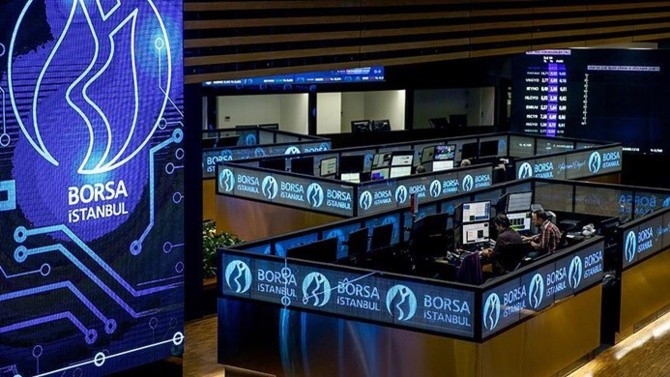
MSCI handed Indonesia another blow on Thursday, downgrading the country's transparency rating and keeping a potential $13 billion exodus squarely on the table. The index provider cited murky ownership structures, signs of coordinated trading, and a currency market so restricted that global investors can barely operate in it. For ordinary Indonesians, the consequence is already visible: the Jakarta stock index is down more than 27% this year, the worst performance of any major market in the world.
This is not a technicality buried in a financial filing. MSCI runs the indexes that pension funds, sovereign wealth funds, and mutual funds around the world use to decide where to put money. When MSCI downgrades a criterion or threatens to reclassify a country, fund managers who track those indexes have little choice but to follow. Indonesia is currently classified as an emerging market. If MSCI follows through and drops it to frontier status, the money that must track emerging-market indexes would have to leave. Estimates put that forced outflow at up to $13 billion.
Foreign investors have already sold roughly $3.76 billion in Indonesian stocks so far in 2026, according to Reuters. Thursday's downgrade makes the larger exit more likely, not less.
How a transparency problem becomes an economic one
The specific concern MSCI flagged is worth understanding, because it is not simply about paperwork. When ownership data is opaque, investors cannot accurately determine how much of a company's stock is genuinely available for trading on the open market, what MSCI calls the "free float." If that number is artificially inflated by coordinated or undisclosed holders acting together, then the price investors see does not reflect real supply and demand. They are flying partially blind, and large institutional investors generally do not accept that risk when they have alternatives elsewhere in Asia or globally.
Indonesia's government and markets regulator tried to respond after MSCI's initial warning in January. They doubled the minimum free float requirement for listed companies to 15%. The heads of the exchange and the regulatory body resigned in a single afternoon in what Reuters described as a sweeping gesture of accountability. MSCI extended its review in April, then in May removed six companies from its indexes, most tied to powerful business families, triggering another sharp drop in stocks.
Those moves were significant. They were not enough.
The currency wall that compounds everything
Separate from the ownership issues, MSCI flagged Indonesia's foreign exchange market as another serious barrier. There is no efficient offshore market for the Indonesian rupiah, and the onshore market carries constraints that limit how freely investors can move money in and out. For a global fund manager, this is a practical problem on top of a trust problem. Even if they wanted to stay, managing currency exposure is harder in Indonesia than in comparable markets.
The combination of opacity in share ownership and rigidity in currency markets creates a feedback loop: foreign investors pull back, liquidity thins, prices become more volatile, and that volatility makes the market look even riskier to the next wave of investors considering entry.
Indonesia is Southeast Asia's largest economy, home to 280 million people, and its capital markets are a meaningful channel for the kind of long-term investment that funds infrastructure, jobs, and growth. A sustained foreign exodus does not just hurt traders; it raises the cost of capital for Indonesian companies trying to expand, and it signals to the world that the country's institutions cannot yet be trusted to enforce fair market rules.
The path back requires not just rule changes on paper but demonstrated enforcement over time. MSCI reviews markets annually. Indonesia now has roughly twelve months to show that its reforms have teeth, and that the coordinated trading and ownership games that spooked global investors have actually stopped.
That is a short runway for a problem that took years to build.