New Fortress Energy's debt crisis reaches a UK courtroom
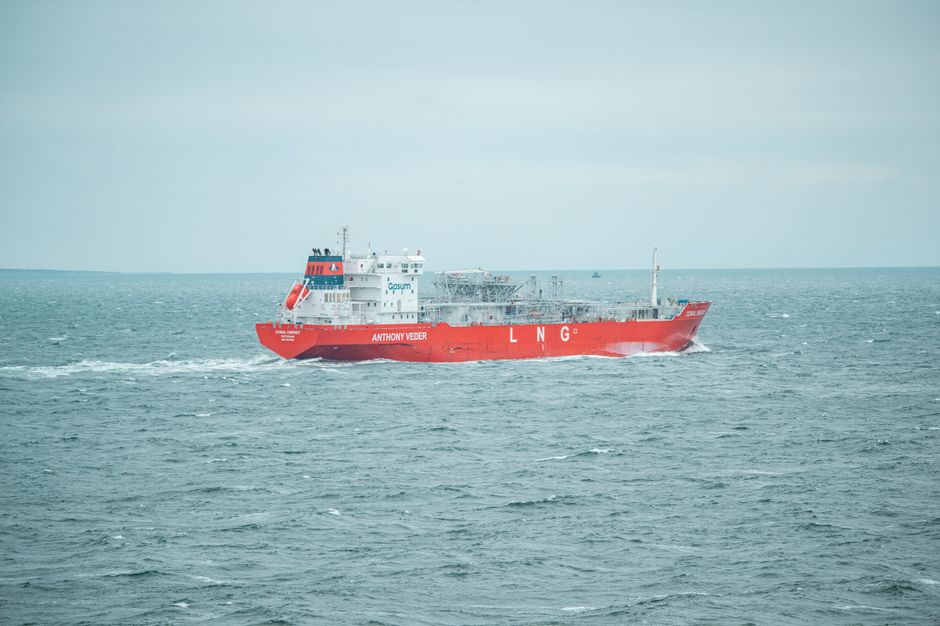
Photo: Oleksiy Yeshtokyn,🌻🇺🇦🌻
New Fortress Energy walked into a London courtroom this week carrying $2 billion-plus in debt obligations it could no longer manage, and walked out with a lifeline. The High Court of Justice of England and Wales approved a restructuring plan for two of its subsidiaries on Thursday, clearing a major hurdle for a U.S. liquefied natural gas company that has spent the better part of two years trying to avoid collapse.
The approval matters because New Fortress is not a fringe player. It builds and operates the infrastructure that turns natural gas into fuel for power plants, mostly across Latin America. When a company like this runs into serious financial trouble, the people who feel it first are not shareholders or bondholders. They are the households and businesses in places like Brazil that depend on those power plants to keep the lights on.
How it got here
The core problem is a structural trap that New Fortress cannot easily escape. Because the company does not carry an investment-grade credit rating, it cannot borrow at the rates that major energy buyers expect from long-term suppliers. That forces it to buy liquefied natural gas on the spot market, where prices are higher and less predictable. Higher fuel costs squeeze margins. Squeezed margins make lenders more nervous. Nervous lenders make the credit rating harder to improve.
The company began showing strain in 2024, deferring dividends to preserve cash and starting talks with bondholders about pushing back debt maturities. In March 2026, it announced plans to separate its Brazilian operations into a standalone company as part of a broader deal with creditors.
Thursday's court ruling covers two subsidiaries: NFE Global Holdings Limited and NFE Brazil Newco Limited. The creditor vote held Monday produced near-unanimous support, with 99% voting in favor. That kind of consensus does not happen by accident. It usually means creditors have concluded that what is on the table beats the alternative, which is a messier, more expensive insolvency process where everyone gets less.
The transactions are expected to close by the third quarter of 2026. A U.S. bankruptcy court will hear a parallel piece of the restructuring on June 26, so the process is not finished yet. But the UK approval is the structural centerpiece.
What this means beyond the balance sheet
Energy infrastructure debt crises rarely stay contained to the company in question. When New Fortress cut dividends and began selling assets to raise cash, it signaled to counterparties across Latin America that its ability to honor supply commitments was uncertain. Securing long-term fuel supply for a power plant requires a seller willing to lock in a multi-year contract. A company with a deteriorating balance sheet does not make an attractive long-term partner.
The restructuring, if it completes on schedule, gives New Fortress a cleaner debt profile and a separated Brazilian entity that can potentially attract new investors on its own terms. That matters for the communities those plants serve. Reliable electricity is not an abstraction in markets where grid stability is already fragile.
The broader pattern here is worth naming. The energy transition has created enormous demand for the kind of mid-scale LNG infrastructure that companies like New Fortress build, particularly in emerging markets that are trying to move away from dirtier fuels but cannot yet run on renewables alone. But building that infrastructure requires cheap, patient capital. Companies without investment-grade ratings are trying to do expensive, long-horizon work with expensive, short-horizon money. That mismatch is not unique to New Fortress, and the London courtroom it just left will likely see similar cases before the decade is out.