Norfolk Southern just passed its fuel bill to you

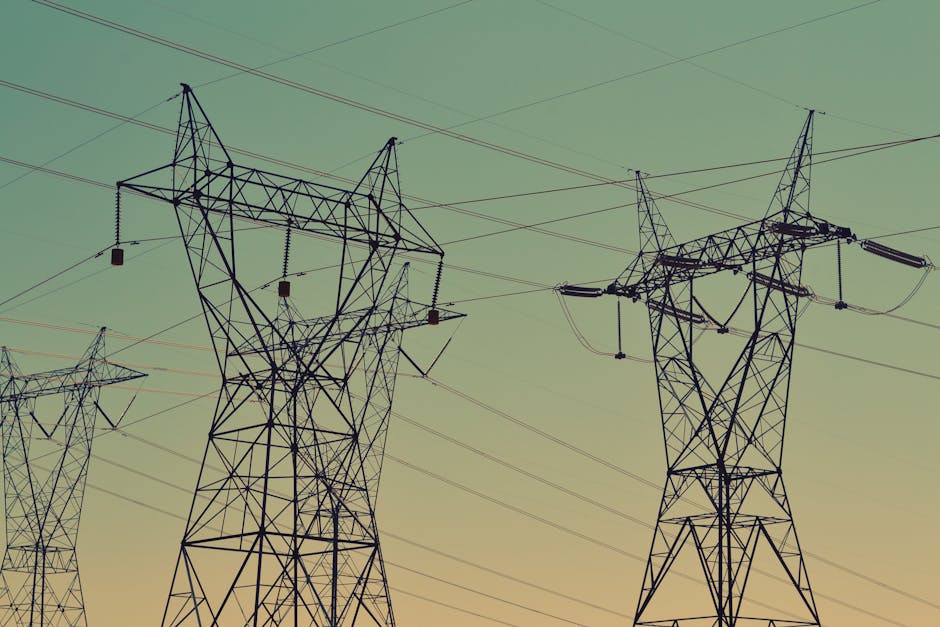
Photo: Andrey Karpov
Norfolk Southern posted a stronger-than-expected quarterly profit this week, and the way it did it tells you something about how price pressure moves through the American economy.
The Atlanta-based railroad earned an adjusted $3.52 per share in the second quarter, well above the $3.31 analysts expected and up from $3.29 a year earlier. Operating income rose 11% to $3.5 billion. On paper, a clean beat.
The mechanism behind it is worth understanding.
The fuel surcharge conveyor belt
U.S. gasoline prices topped $4 a gallon in March for the first time in more than three years and have stayed near that level. For a company that runs diesel locomotives across thousands of miles of track, that kind of fuel environment is a real cost. Norfolk Southern didn't absorb it quietly. Instead, the railroad billed fuel surcharges to the companies that ship goods on its network, passing the cost directly down the line.
That's standard practice in freight, and it's legal and disclosed. But it has a logic worth following. When a railroad charges a retailer more to move a container of goods from a port to a warehouse, the retailer tends to fold that into what it charges the store. The store folds it into what it charges you. The surcharge that helped Norfolk Southern beat a Wall Street estimate in July may already be embedded in something on a shelf near you.
This is the quiet transmission system of inflation. It doesn't show up as a single dramatic price hike. It shows up as costs that migrate from a locomotive fuel tank to a freight invoice to a manufacturer's margin calculation to a retail shelf over a period of months. By the time it reaches a consumer receipt, nobody calls it a fuel surcharge anymore.
Who wins and who watches
Norfolk Southern's freight demand held up well enough to pair with those surcharges and produce real profit growth. Intermodal freight, which means containers that move by rail and truck in sequence, showed steady demand. That resilience matters because it signals that the goods-moving economy is still running, which is better news than the alternative.
But the efficiency picture is more complicated. The railroad's operating ratio, a measure of how many cents it spends to earn each dollar of revenue (lower is better), deteriorated by roughly 2 percentage points compared with a year earlier. At 65.5%, Norfolk Southern is spending more to run the same railroad. Surcharges masked that slippage in the profit line, but the underlying cost structure got a little worse.
For shippers, especially small manufacturers and mid-size retailers who rely on rail because it's cheaper than trucking, the fuel surcharge world is a managed burden. Large companies negotiate freight contracts with more leverage. Smaller ones absorb what they're quoted.
The bigger pattern
Railroads occupy a specific position in the American economy. They are not quite a utility and not quite a competitive marketplace. A manufacturer in the Midwest often has limited alternatives to the railroad that serves their region. That means surcharge pricing lands differently on them than, say, a price increase in a market with ten competing suppliers.
When fuel stays high and surcharges stay with it, the cost of moving goods across the country rises in a way that compounds quietly. It doesn't spike. It accumulates. And the companies best positioned to manage that accumulation are the ones with the scale to negotiate, the margins to absorb, or the market power to pass it on.
Norfolk Southern has all three. Most of its customers have one, at best.