OpenAI just signed 25 years of Georgia's electricity

Photo: Andrew Neel
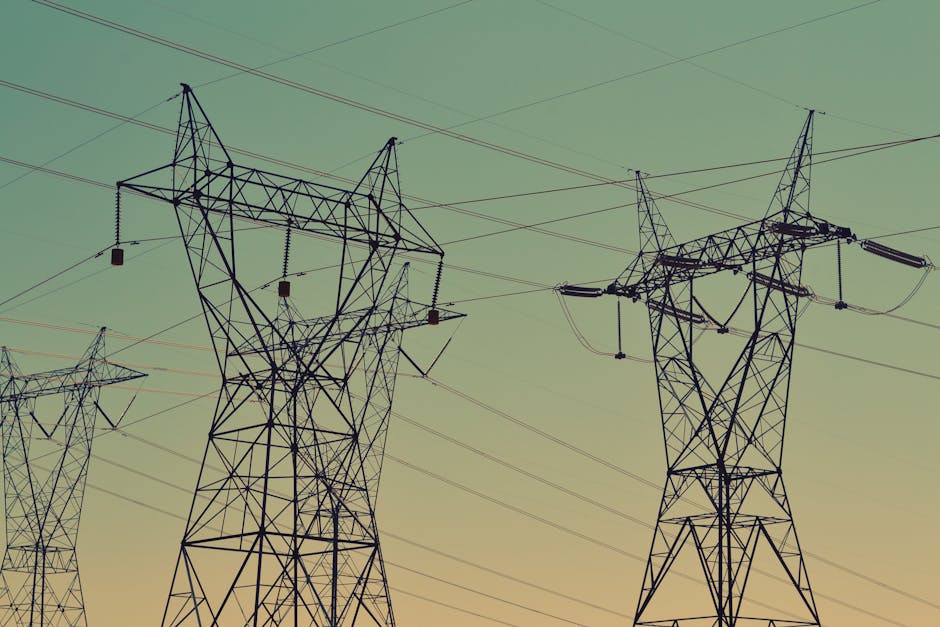
OpenAI has locked in 25 years of electricity from Georgia Power, Southern Company's Georgia subsidiary, for a new data center in Effingham County that will draw up to 3,200 megawatts of power. To put that in perspective, a single large nuclear reactor generates roughly 1,000 megawatts. OpenAI's facility will need the equivalent of three of them running continuously. And the deal is structured in a way that tells you a lot about how AI companies are reshaping American energy infrastructure.
Who pays, and who gets what in return
The short answer on cost: OpenAI does. Under the agreement, OpenAI will cover the full cost of building the infrastructure and paying for electric service to its facility. It won't be subsidized by Georgia Power's other ratepayers, at least not directly. That matters, because the more common arrangement in recent years has had ordinary utility customers quietly absorbing some of the grid upgrades needed to serve giant new data centers.
In exchange, OpenAI agreed to something unusual. When Georgia Power's grid is under stress, say during a summer heat wave when everyone cranks up the air conditioning, OpenAI will release up to 1,000 megawatts back to the grid. That's a meaningful buffer. It gives Georgia Power a large, flexible cushion to draw on precisely when the system is most likely to buckle.
Whether that arrangement actually reduces strain on ordinary Georgia households depends on how often those stress moments occur and whether 1,000 megawatts is enough to matter. Georgia Power says the deal will improve system reliability. That's a reasonable claim if the demand-response commitment is enforceable and well-managed.
What Effingham County gets
The project is expected to create thousands of construction jobs and an unspecified number of permanent positions on-site. Georgia Power said local contractors and businesses will be prioritized, which is the kind of commitment that sounds good but tends to vary widely in practice depending on how the contracts are written.
OpenAI also committed to an $80 million community investment fund, with spending directed by local residents. And it pledged up to $71 million in credits for its coding tool, Codex, for students at Georgia colleges, universities, and technical schools. That second commitment is worth reading carefully: it's credits for an OpenAI product, not cash. It may be genuinely useful to students learning to code, or it may function primarily as a large-scale user acquisition program. Probably both.
The deal is also expected to generate hundreds of millions of dollars in state and local tax revenue over its life. For a county and state that would otherwise have to find that revenue somewhere else, that's real.
The bigger pattern
This deal is a window into a negotiation happening all over the country right now. AI data centers require enormous, stable amounts of electricity, and they need it fast. Utilities weren't built for this pace of demand growth. The result is a series of bilateral deals being struck between tech giants and regional power companies, each one setting a precedent for how costs, risks, and benefits get divided.
The 25-year term is striking. OpenAI is betting that its energy needs will remain massive for a generation. Georgia Power is betting it can reliably serve those needs while keeping its existing customers whole. Both are making promises about a future that neither fully controls.
For Georgia residents, the immediate question is whether the demand-response arrangement holds up in practice. The longer question is what it means to have a single tenant consume the equivalent of three nuclear reactors' worth of power in one county, and whether the jobs, taxes, and grid reliability commitments are worth that concentration of infrastructure in one place.
The answer probably depends on where you live. In Effingham County, the jobs and tax revenue are likely to feel very real. On the broader Georgia grid, the test will come during the next bad summer.