Saks Global shed half its stores and $3.4 billion in debt to survive
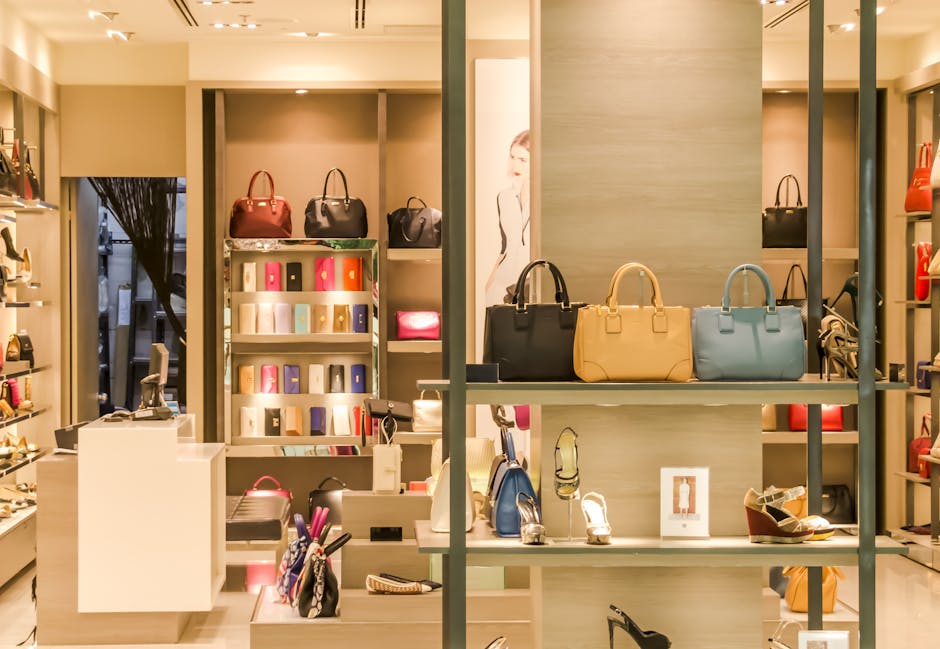
Photo: shattha pilabut
Saks Global walked into bankruptcy court in Houston on Friday owing $3.4 billion, and walked out with a survival plan that cost it half its stores, wiped out its shareholders entirely, and handed the keys to the lenders who kept it alive.
U.S. Bankruptcy Judge Alfredo Perez approved the restructuring, calling the company's turnaround an "extraordinary" stabilization after what he acknowledged was a rocky start when the Chapter 11 filing landed in January.
What actually happened
Saks Global filed for bankruptcy on January 13 after its merger with Neiman Marcus went badly wrong. The combined company ran short on cash, couldn't reliably restock its shelves, and badly damaged its relationships with the luxury houses it depends on: Chanel, LVMH, and Kering. When a luxury retailer can't get product from the brands that define it, the store is essentially over.
The bankruptcy gave the company a chance to reset. It shut more than half of its Saks Fifth Avenue locations, going from 33 stores down to 15. It closed its off-price retail stores entirely. What remains is a tighter footprint: 49 locations total, built around 33 Neiman Marcus stores, 15 Saks Fifth Avenue locations, and Bergdorf Goodman in New York.
Senior lenders provided $1 billion in new funding through the bankruptcy process and have pledged another $500 million once the company formally exits Chapter 11. In exchange, they take control of the company. Existing shareholders get nothing.
Who pays and who gets left behind
Junior creditors, who are owed roughly $1.5 billion collectively, face a brutal outcome. According to court filings, they would likely recover nothing at all without a litigation trust the company agreed to fund with $20 million. That trust will pursue lawsuits on their behalf in hopes of generating some recovery. How much, if anything, those lawsuits produce is genuinely uncertain.
For the workers and customers connected to Saks, the consequences are more immediate. The store closures mean fewer locations in a retail category that was already thinning out. Luxury shopping in America is increasingly consolidated into a small number of flagship destinations in a handful of cities, and this restructuring accelerates that pattern.
The bigger problem this exposed
The merger that caused all of this was itself a symptom of a structural squeeze on American luxury retail. Department stores, even at the high end, face pressure from brands that increasingly want to sell directly to customers through their own boutiques and websites. When Chanel or LVMH can control the experience, the pricing, and the customer relationship on their own terms, they have less incentive to stock a third-party retailer.
Saks Global's inability to keep its shelves full wasn't just a cash-flow problem. It was a signal of how much leverage had shifted toward the brands themselves. The bankruptcy surfaced that dependency in the starkest possible way.
The company that emerges from this is smaller, leaner, and now controlled by lenders rather than by the private equity and retail interests that built the original merger. Whether that ownership structure produces a more disciplined business, or simply a slower-motion version of the same problem, depends on whether the underlying economics of luxury department stores have actually changed. The court approval clears the legal path forward. The commercial case for the business still has to be made.