A drone hit an Iraqi oil tanker. Every terminal shut down.

Photo: Zifeng Xiong
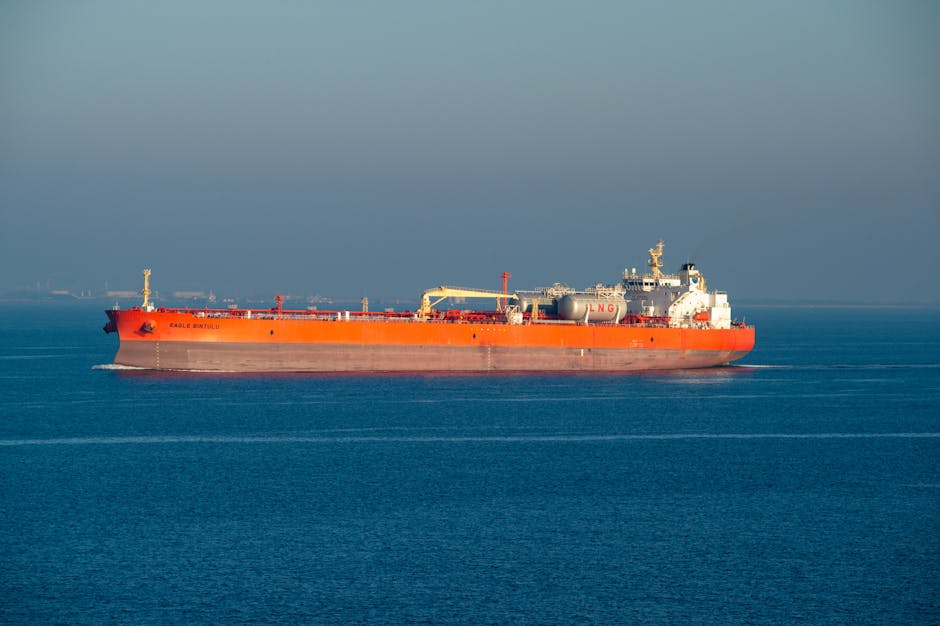
A single drone crashing into an oil tanker at Iraq's Basra terminal was enough to shut down crude loading at every Iraqi export facility on Thursday. No fire, no structural damage, but the risk was real enough that authorities towed the tanker out of the port and anchored a second vessel nearby as a precaution.
Four Iraqi oil and security sources confirmed the shutdown to Reuters. Who launched the drone remains unknown.
This is not an isolated incident. The day before, on Wednesday, another drone came down at Iraq's Faw port. Iraqi state media reported no damage and said operations there were unaffected. Two drones in two days at two different southern Iraqi ports is a pattern, not a coincidence, and someone made the call to treat it that way.
Why this matters beyond the headlines
Iraq is one of the largest oil exporters in the world. Its terminals in the south are the physical chokepoint through which millions of barrels of crude flow into global markets every day. When loading stops, even briefly, that oil does not move. Tankers waiting to fill do not fill. Contracts that depend on delivery schedules get complicated.
A short suspension, if it ends within hours, may not register much in global prices. But a prolonged shutdown, or repeated incidents that make insurers and tanker operators nervous about operating in the area, is a different story. Shipping insurance rates for vessels near conflict zones tend to rise quickly, and those costs pass directly into the price of moving crude. Higher shipping costs mean higher costs for the refiners who buy that crude. And refiners pass their costs on at the pump.
American drivers are already watching gas prices closely. A sustained disruption to Iraqi exports would tighten global supply at a moment when markets are watching every barrel. The United States imports relatively little Iraqi crude directly, but oil is a global commodity priced globally. A supply shock in the Persian Gulf lifts prices everywhere.
The deeper pattern
What makes this incident worth watching is not the drone or even the shutdown on its own. It is what the incident reveals about vulnerability. Iraq's southern terminals are critical infrastructure sitting in a region where drones have become a cheap and accessible tool of disruption. You do not need a sophisticated military operation to create uncertainty. You need a drone and a willingness to use it near a tanker.
That uncertainty has a cost. Even when no oil spills and no fire ignites, the disruption forces a shutdown, diverts tankers, and signals to markets that the supply chain is not as stable as the price already baked in assumes. Markets hate that kind of ambiguity.
The identity of whoever launched the drones matters enormously for what comes next. A one-off accident or rogue actor is manageable. A deliberate campaign targeting Iraqi oil infrastructure is a different level of risk, one that would prompt harder questions about regional security, Iraqi government capacity to protect its own exports, and how quickly global buyers start hedging against further disruption.
For now, loading is suspended, two tankers are anchored outside Basra, and the question of who is responsible has no public answer. That gap between the event and the explanation is exactly where oil market anxiety lives.