Boeing is close to saving a 150-jet deal it nearly lost to Airbus
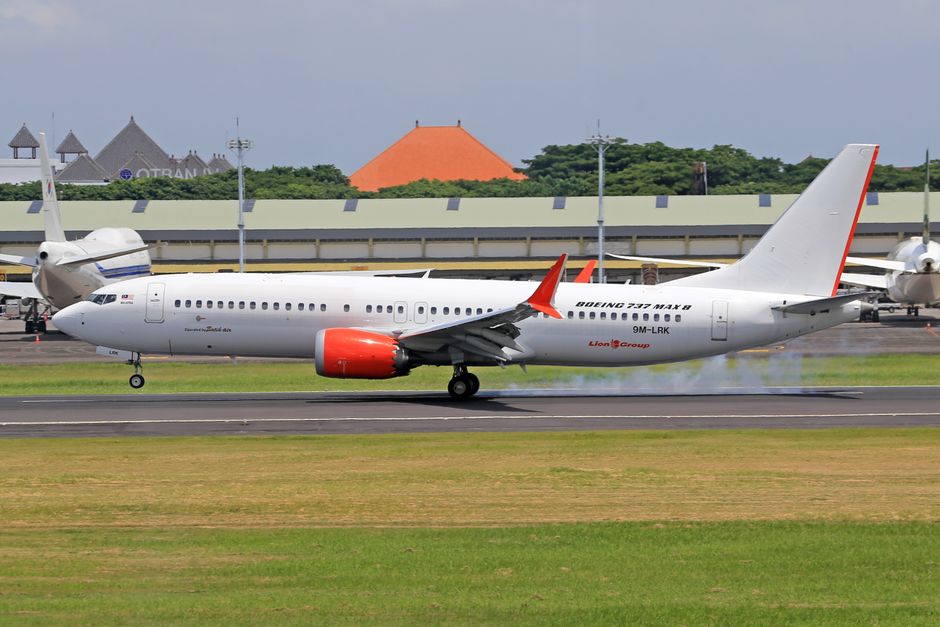
Photo: Jeffry Surianto
Boeing is close to rescuing a deal for 150 of its 737 MAX jets with Turkish Airlines, a sale that nearly collapsed in a public dispute over engine maintenance costs and that carries enough political weight to make both Washington and Ankara uncomfortable if it falls apart.
Four people familiar with the matter told Reuters the deal is back on track and could be signed as early as next week. The timing matters: Turkish President Recep Tayyip Erdogan and President Trump are expected to meet in New York alongside the United Nations General Assembly, according to Turkish media reports.
How a jet order became a political liability
The original deal was part of a broader package of 225 aircraft announced after Trump and Erdogan met a year ago. It landed with the kind of fanfare that White House trade announcements typically get. Then, weeks later, Turkish Airlines threatened to scrap the 150 MAX jets and switch to Airbus instead. The stated reason was a dispute with CFM, the engine maker co-owned by GE Aerospace and France's Safran, over maintenance pricing.
That kind of reversal, especially for a deal tied to a presidential meeting, would have been awkward for everyone involved. Two of the sources told Reuters that avoiding exactly that embarrassment is one reason the deal is now being pushed toward a conclusion.
The fight underneath the headlines
The real conflict was about something more mundane but economically significant: who absorbs the long-term cost of engine repairs.
Airlines are squeezed right now. Supply chain disruptions have made spare parts harder to get and more expensive. So when Turkish Airlines was ordering new jets, it also wanted a favorable long-term maintenance agreement locked in at the same time. Specifically, according to industry sources, it wanted to join the top tier of CFM's maintenance network, a status that would give it faster access to the latest repair technology and more control over its own costs.
GE Aerospace CEO Larry Culp pushed back publicly last October. He described Turkish Airlines' approach as negotiating "new deals in public" and said GE's pricing already reflected the value it provides to customers. That kind of exchange between a major airline and an engine maker, playing out in conference remarks and press statements, is not how these deals usually go.
It is still unclear whether the two sides have fully resolved the maintenance question. Reuters reported it is not yet known whether Turkish Airlines got access to the top-tier maintenance program it was seeking.
What this means beyond the deal itself
For Boeing, completing this order matters for reasons beyond the dollar value. The company has spent the last two years recovering from production problems, safety scrutiny, and a damaging strike. A high-profile win with one of the world's largest carriers, Turkish Airlines operates more than 400 jets in a mixed Boeing-Airbus fleet, would reinforce that it can hold onto major customers even when the sales process gets complicated.
For passengers and the broader industry, the Turkish Airlines story illustrates a shift that is happening across commercial aviation. Airlines are no longer treating engine maintenance as a routine afterthought to a jet purchase. As parts grow scarcer and repair costs climb, maintenance terms are becoming a dealbreaker in their own right, forcing manufacturers and engine makers to either offer more flexibility or risk losing the sale entirely.
Turkish Airlines is also still shopping for more aircraft. Its finance chief told an industry conference this week that the carrier is evaluating regional jets from Embraer and Airbus, as well as larger long-haul planes like the Boeing 777X and Airbus A350-1000, to feed continued growth at its Istanbul hub. The MAX deal, if signed, would be one piece of a much larger expansion.
Boeing declined to comment. CFM declined to comment. Turkish Airlines did not respond to Reuters' request.