Corning just locked Verizon into a multibillion-dollar fiber bet

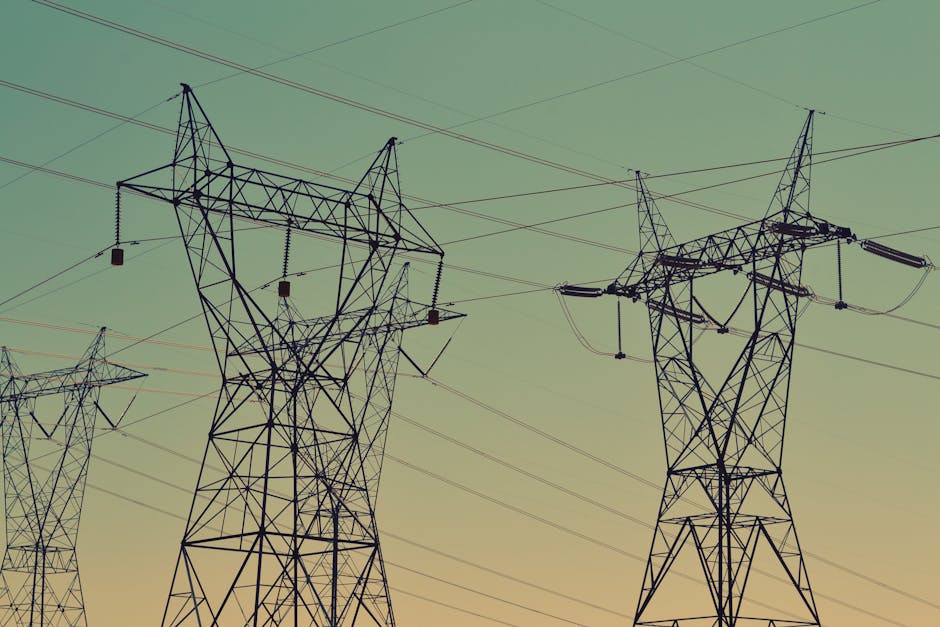
Photo: Brett Sayles
Corning just secured a multibillion-dollar agreement with Verizon to supply optical fiber and connectivity products, and the market's reaction was immediate: Corning stock, already up 70% this year, climbed further on the news.
That number deserves a moment. A 70% gain in a single year is not normal for a company that makes glass and fiber-optic cable. It tells you something about where money is flowing right now.
Why fiber, and why now
Optical fiber is the physical backbone of fast internet. It is how data moves, at the speed of light, between the cell tower and the data center, between the data center and your house, between the devices you carry and the servers running the AI tools you increasingly depend on. Without more of it, none of the next wave of digital infrastructure gets built.
Verizon's commitment to Corning is essentially a bet that it needs to lay a lot more of that backbone. The deal covers optical fiber and connectivity products, which means Verizon is planning serious network expansion, not just routine maintenance purchases.
Corning has been supplying Verizon for years. This agreement extends and deepens that relationship at a moment when telecom companies are under real pressure: from regulators pushing broadband access into underserved areas, from competitors racing to offer faster speeds, and from the explosion in data demand driven by AI services that require constant, low-latency connections to function properly.
What this means beyond the stock price
For ordinary people, the consequence of deals like this one is not immediate. Fiber takes time to plan, permit, and install. But the pipeline matters. When a company like Verizon locks in a supply agreement of this scale, it signals that expansion plans are real and funded, not just talking points on an earnings call.
If that buildout follows through, it means more communities get access to faster, more reliable broadband. That matters most in places still running on older copper-wire infrastructure, where speeds are slow, outages are common, and remote work or telehealth is genuinely harder than it needs to be.
It also means jobs. Fiber installation is labor-intensive. Supply agreements of this size generate demand for skilled technicians, construction crews, and the manufacturing workers at Corning's plants, which are largely based in the United States.
Corning's stock retreat from its June 30 peak, before Tuesday's bounce, suggests investors had been watching for exactly this kind of confirmation. A signed, multibillion-dollar customer commitment is different from general optimism about AI-driven demand. It is a contracted revenue floor.
The bigger pattern
The Corning-Verizon deal fits inside a larger story about the physical requirements of the AI economy. The public conversation about artificial intelligence focuses on software, models, and chips. But those systems require physical infrastructure at a scale most people don't think about: power, cooling, and above all, connectivity. Fiber is not a legacy technology getting replaced by AI. It is a prerequisite for AI at scale.
That is why a glassmaker is one of the year's best-performing stocks. And it is why commitments like this one, buried in corporate press releases, have consequences that eventually show up in whether your internet is fast, whether your town has economic connectivity to the modern economy, and whether the United States builds enough physical capacity to support the digital infrastructure it keeps promising.
Verizon spending billions on fiber now is either smart positioning ahead of a wave that's already breaking, or expensive insurance against being left behind. Given the demand trajectory, probably both.