Grupo Mexico is bidding for Argentina's grain railroads, and the stakes are enormous
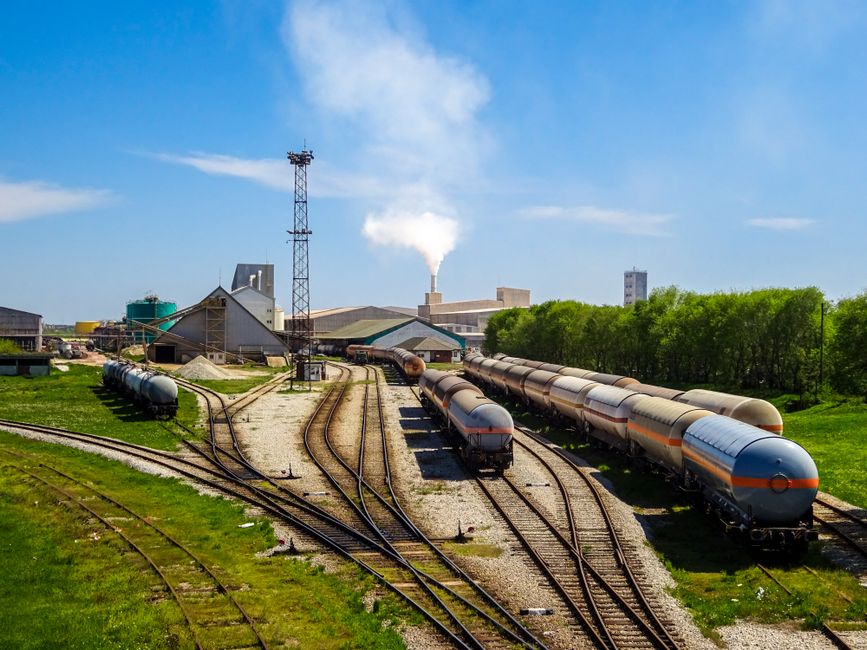
Photo: Nikolai Kolosov
Grupo Mexico Transportes USA and U.S. rail technology company Wabtec have struck a deal to jointly bid for Argentina's state-run freight operator, and if they win, a Mexican conglomerate will control the rail arteries that move millions of tons of the world's grain supply.
The target is Belgrano Cargas y Logistica, known as BCYL, which runs Argentina's three largest freight train lines. Together those lines haul roughly 7.5 million tons of produce per year. About 60% of that is agricultural products, mostly grain headed toward export ports in the Rosario region, one of the busiest commodity corridors on the planet.
Why Milei is selling it
President Javier Milei has made privatizing state-owned companies a centerpiece of his economic program. Tender documents for BCYL are expected in the coming days. The logic is straightforward: Argentina is one of the world's largest grain exporters, but the infrastructure moving that grain is old and underfunded. Private capital, the argument goes, would modernize the system and cut the bottlenecks that slow product from the farms of the northwest and west to the loading docks at Rosario.
Whether privatization actually delivers that is the contested part. State freight operators in developing economies often cross-subsidize unprofitable rural routes. A private owner focused on returns may serve the high-volume corridors well and neglect the rest.
Who else wants in
The competition is notable. According to local media reports cited by Reuters, mining giant Rio Tinto has expressed interest. So has an agricultural consortium that reads like a who's who of global commodity trading: Bunge, Cargill, Louis Dreyfus Company, and two Argentine cooperatives. The fact that those grain traders want to own the rails that move grain to export terminals tells you something about how valuable the infrastructure is, and how much pricing power comes with it.
Grupo Mexico Transportes USA is a subsidiary of Grupo Mexico, a large Mexican conglomerate with extensive rail and mining operations. Its partner, Wabtec, is a Pittsburgh-based company that makes locomotive and rail technology. The combination pairs operating experience with technical capability, which is likely the point.
What this means beyond Argentina
For ordinary Argentines, the outcome of this auction matters in practical ways. Faster, more reliable freight rail could lower the cost of moving food from farm to port, which in a country that has battled severe inflation, is not a trivial benefit. But it could also mean that foreign private owners extract profit from infrastructure the public built, with limited obligation to communities along the less lucrative routes.
For the rest of the world, Argentina's grain export capacity is not a minor footnote. The country is a top global supplier of soybeans, corn, and wheat. Anything that meaningfully speeds up or slows down the flow of Argentine grain shows up in global commodity prices. If privatization genuinely modernizes the Belgrano and San Martin lines, the added throughput could modestly ease grain supply constraints worldwide. If it stalls in political or regulatory disputes, the backlog stays.
The broader pattern here is worth watching. Milei's privatization drive is one of the more aggressive state-asset selloffs in Latin America in years. BCYL is not the first company on the list, and it will not be the last. Global infrastructure investors, commodity traders, and mining companies are paying close attention to how this process unfolds, because the template Argentina sets now will shape how much they trust the next auction, and the one after that.
Argentina will publish the tender terms in the coming days. Until then, the competing interests circling this deal tell you more about what is at stake than any official statement will.