Mountain Valley just cleared a key court hurdle on its $524M pipeline
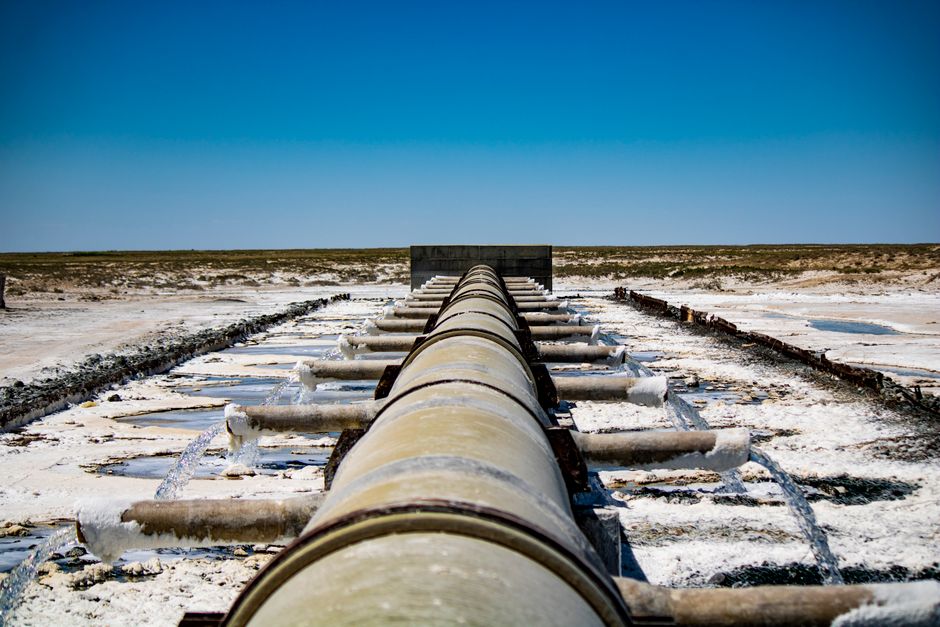
Photo: Orhan Akbaba
Mountain Valley Pipeline just won a significant legal fight over its $524 million Southgate extension, and environmental groups who tried to stop it are running out of room to maneuver before construction picks up in earnest.
The 4th U.S. Circuit Court of Appeals in Richmond denied motions on Thursday from the Sierra Club and other groups asking the court to freeze water quality certifications that Virginia and North Carolina had issued for the project. The court's reasoning was blunt: the groups had not made "a strong showing that they are likely to succeed on the merits." In plain terms, the court saw no compelling legal case that these water permits were issued improperly, so it declined to block them while broader legal challenges play out.
What the project actually is
Southgate is a proposed 31-mile extension of the existing Mountain Valley Pipeline, which already runs 304 miles from West Virginia into Virginia and has been carrying gas since June 2024. The extension would push that line south into North Carolina, adding enough capacity to move roughly 0.55 billion cubic feet of gas per day. To put that in context, one billion cubic feet is enough gas to supply about 5 million U.S. homes for a day. This extension, then, could theoretically serve several million more homes on a daily basis.
FERC, the federal regulator that oversees interstate pipelines, issued a notice to proceed with construction in Virginia in March 2026. The Department of Energy estimates the project could enter service in 2028 if construction stays on track.
Why the legal history matters here
The main Mountain Valley Pipeline is not a story of smooth execution. MVP began construction back in 2018 and spent years buried in legal and regulatory challenges over environmental compliance. That fight delayed the project significantly and became a case study in how pipeline opponents can use courts and permitting processes to slow or stop infrastructure projects. Congress ultimately intervened to help clear the path for the main line to finish.
The Southgate extension filed for federal approval that same year, 2018, meaning this project has been moving through regulatory and legal channels for eight years. The water certifications now before the court are just one layer of that process.
The Sierra Club argues the project is "unneeded" and that FERC ignored evidence of environmental damage when it approved the extension. The group also pushed back on the economics, with organizer Caroline Hansley saying the money should go toward "clean, affordable energy" rather than what she called "dangerous, expensive pipeline projects."
Those are arguments the court will still consider in full. Thursday's ruling only means the court declined to hit pause while it does so. That is a meaningful distinction: it removes one near-term weapon the opponents had, but it does not end the litigation.
What is at stake for people in the region
For households in Virginia and North Carolina, the practical question is whether this extension eventually lowers gas costs by increasing supply into a region that the pipeline's backers say needs more capacity. Opponents counter that locking in new gas infrastructure for the next several decades works against the shift toward cheaper renewable electricity, and that the project's own economics are questionable.
Neither claim can be settled here. What can be said is that the main MVP line is already moving gas, the federal regulator has told the company it can start building the Virginia portion, and the courts have now declined to freeze the permitting foundation the project rests on.
The deeper pattern is familiar. Large energy infrastructure projects in the U.S. routinely take a decade or more from proposal to operation, with legal challenges serving as the primary throttle. Whether that throttle is a necessary check on environmental harm or an obstacle to reliable energy supply depends entirely on which set of stakes you weight more heavily. In this case, the court just moved the throttle a little further toward "go."