Target just blocked the one change investors wanted most
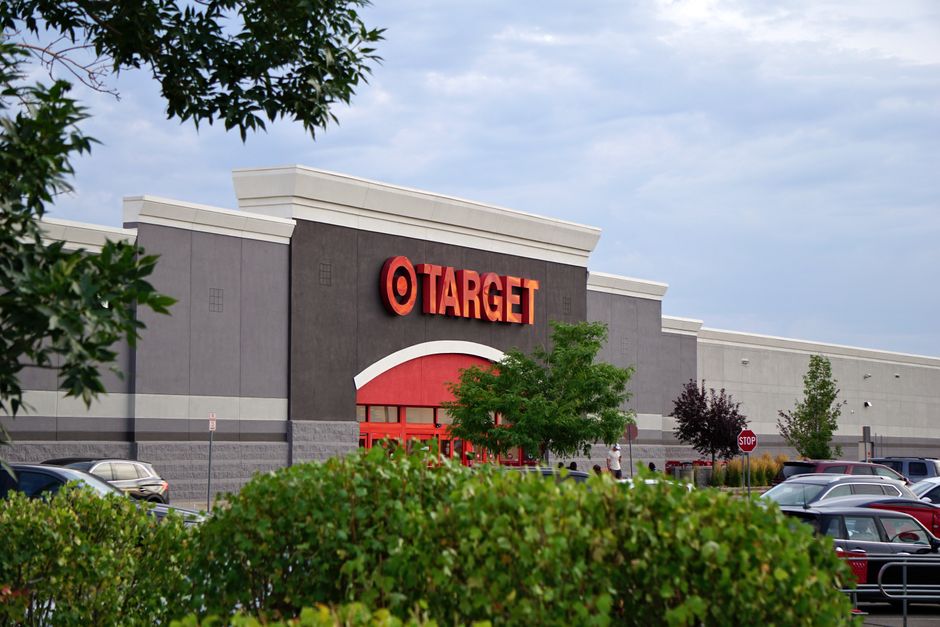
Photo: Joshua Brown
Target's shareholders had a chance on Wednesday to force a clean break from the leadership era that cost the company roughly half its market value. They didn't take it.
Investors voted down a proposal to separate the board chair role from executive leadership, according to two sources with direct knowledge of the vote. The result means Brian Cornell, who served as CEO for years before transitioning to executive chairman, keeps operational oversight over his own successor. The person meant to hold Cornell accountable is, in part, accountable to Cornell.
Why this governance question matters beyond the boardroom
For most shoppers, a board vote sounds abstract. But the structure of who oversees whom at a company directly shapes the decisions that end up in your shopping cart.
Under Cornell, Target made a series of calls that damaged the business. Merchandising mistakes left shelves stocked with products customers didn't want. A public retreat from diversity and inclusion commitments angered a core part of its customer base and hurt sales. Rivals Walmart, Amazon, and Costco kept gaining ground while Target lost it. Since 2021, the stock has fallen by roughly half, destroying billions in shareholder value and raising a straightforward question: would different oversight have changed any of this?
The proposal rejected Wednesday argued yes. An independent board chair, with no ties to the previous CEO, would have a cleaner incentive to hold management accountable rather than defend decisions made on their watch.
Target declined to comment on the vote. All director nominees were elected, according to the sources.
The $2 billion bet on the new guy
Michael Fiddelke became CEO in February, inheriting a company still trying to find its footing. He is spending $2 billion this year to fix the basics: keeping shelves stocked and pricing products more aggressively to compete with discounters.
That is not a glamorous strategy. It is a catch-up strategy. It signals that Target knows exactly where it lost ground and is paying to reclaim it.
The early signs are cautiously positive. Target's most recent results showed some recovery. But the company itself has warned that a difficult economic environment, with inflation-weary shoppers hunting for the lowest price, could keep pressure on demand for the foreseeable future.
That context makes governance more consequential, not less. When a company is fighting to recover lost trust with price-sensitive consumers, the quality of its strategic decisions matters enormously. If those decisions are still being shaped, even indirectly, by the executive who presided over the decline, the structural problem remains.
What Target's shareholders effectively said on Wednesday is that they trust the current setup to fix itself. Cornell stays influential. Fiddelke gets his shot. And the $2 billion bet on restocking shelves and sharpening prices becomes the primary story.
Whether that is enough to close the gap with Walmart and Costco, which have both executed more consistently on value over the past several years, is the real test. Governance votes don't show up in quarterly earnings. Execution does.
For anyone who shops at Target, the stakes are simpler: can the company actually deliver lower prices, better-stocked stores, and a reason to drive past a Walmart to get there? The board structure won't answer that question. Fiddelke's $2 billion will.