Trump bought Russian diesel to cut prices. They went up anyway.

Photo: Oleksiy
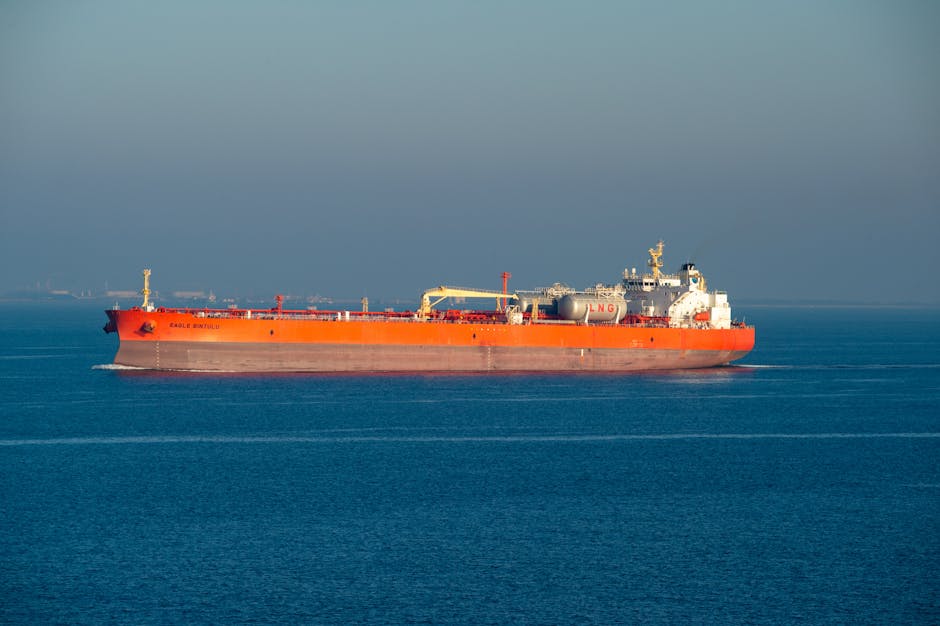
Trump struck a deal with Putin to flood the US market with Russian diesel, and diesel prices rose anyway. That is roughly where things stand as seven tankers carrying 288,000 tonnes of Russian fuel push across the Atlantic toward a country that may not let them unload.
The shipments are the first phase of an agreement announced on October 9, in which Putin agreed to supply 1.8 million tonnes of diesel to the US. Trump signed a six-month waiver on existing sanctions to make it legal, at least under executive authority. The idea was simple: more supply should push down prices for American consumers. Diesel at the pump has instead climbed from $6.28 per gallon to $6.33 since the deal was announced, according to the American Automobile Association.
Why the market isn't buying it
Diesel is the workhorse fuel of the American economy. It powers freight trucks, farm equipment, construction sites, and heating systems. When diesel prices are high, everything that moves on a truck costs more, and that cost eventually lands on grocery shelves and utility bills. The Trump administration's pitch was that Russian supply could provide relief. The reality is more complicated.
Greenpeace, which has been tracking the tanker fleet using shipping data, says five of the seven ships were near the UK coast when the latest tracking was published, with three moving through or into the English Channel. One tanker, the Taurus, was already closer to US waters. But tracking a ship and unloading it are very different problems.
A group of Democratic senators has warned banks and port authorities that processing these shipments could expose them to congressional investigations and legal consequences. The governor of New Jersey, Mikie Sherrill, said she is actively exploring how to block any unloading attempt in her state, calling the deal "corrupt and illegal." Reports suggest the White House has been quietly pressing US firms to buy the fuel, but buyers are hesitant. The midterm elections are next Tuesday, and no company wants to be the one that visibly did business with Moscow while a war is still being fought in Ukraine.
The political math
The timing could hardly be worse for the White House. Trump's approval on the economy has eroded as fuel prices have surged since the US attacked Iran in the spring. Polling now suggests Democrats have a meaningful chance of retaking the House, while Senate control remains genuinely uncertain. Russian diesel arriving at American ports in the week before the midterms is not the image the administration was managing toward.
Ukraine's President Zelenskyy has been direct about what the deal means in practice: revenue for Russia is ammunition for Russia. On Thursday morning, a Russian drone struck a crowded train platform in Dnipro, killing 14 people. Five others were killed in separate daytime strikes on Chernihiv and Kremenchuk. The war that the diesel deal was supposed to have nothing to do with keeps asserting itself.
The Kremlin, meanwhile, issued a decree at the end of September restricting the publication of information about oil exports, an attempt to shield the shipments from international scrutiny. That the tankers have been tracked anyway, and are now on a public map, is an embarrassment the Russian government was specifically trying to avoid.
The deeper problem is structural. Sanctions work partly through predictability: if companies, banks, and ports believe that doing business with a sanctioned country exposes them to legal risk, they stay away. One presidential waiver does not erase that conditioning, especially when Congress is actively threatening to reinstate consequences. Trump can order the executive branch to stand down. He cannot order JPMorgan or the Port Authority of New York and New Jersey to ignore their lawyers.
Seven tankers are crossing the ocean. Whether any of them can actually dock, sell their cargo, and move the price at your local filling station is a question that may well be answered in a federal courtroom rather than a commodity market.