Devon just spent $2.6 billion on empty desert, and it thinks it knows why
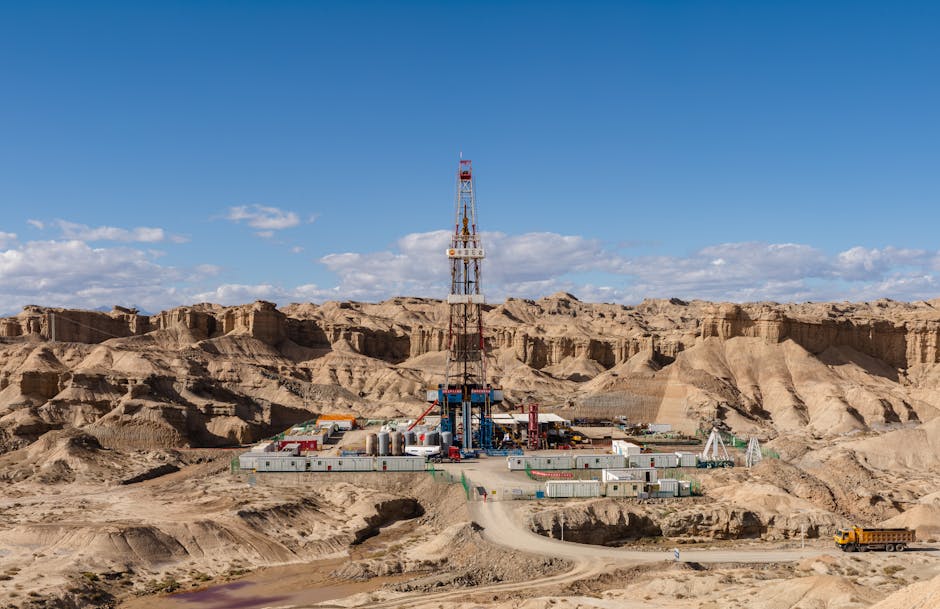
Photo: Yuan
The land Devon Energy just bought for $2.6 billion has no wells on it. No production. No revenue yet. Just 16,300 acres of undeveloped high desert in New Mexico that Devon believes will eventually rank among the most valuable oil-producing ground in the United States.
Whether that belief was worth the price is the question Wall Street spent Thursday arguing about.
Devon announced the acquisition on May 21, weeks after closing its $58 billion merger with Coterra Energy. The purchase came through a federal lease with the U.S. Bureau of Land Management and adds roughly 400 potential drilling locations in the Delaware Basin, a part of the broader Permian Basin that stretches across West Texas and New Mexico and is widely considered the most productive shale region in the country.
The math works out to about $6.5 million per potential drilling location. Two analysts flagged that number as unexpectedly high. Scott Hanold at RBC Capital Markets called the price "eye watering compared to historical M&A in the Permian." Matt Portillo at TPH & Co wrote that "investors will be surprised by the sticker price." Devon shares fell 1.6% on the day.
Why pay so much for nothing yet?
Devon's argument is essentially about location and timing. The new acreage sits directly next to its existing operations, which means it can use infrastructure already in place rather than building from scratch. It can also drill longer wells, called laterals, which produce more oil per dollar spent. One section of the newly acquired land sits near what RBC describes as Devon's best-performing existing asset.
The federal lease structure also comes with terms Devon considers favorable. The leases carry an 87.5% net revenue interest, meaning Devon keeps a larger share of what it eventually pulls out of the ground compared with typical state or private leases in the region. The leases run 10 years across all depths, giving the company time to develop the acreage without rushing into a down market.
Devon said it will pay for the acquisition using cash on hand. Total cash at the end of the first quarter was $1.8 billion, so the company will need to pull from other sources to cover the full $2.6 billion, though it did not specify the exact funding mix beyond "cash on hand."
The bigger picture
This deal sits inside a pattern that has defined American oil and gas over the past two years: large producers consolidating aggressively, racing to lock up the best remaining inventory in the Permian before it gets harder to find or more expensive to acquire. Devon's merger with Coterra was itself one of the largest shale deals in recent memory. This federal lease acquisition is a continuation of that logic, adding depth to an already expanded portfolio.
The tension is real, though. Buying undeveloped land at premium prices works well when oil prices are high enough to justify drilling costs. If prices soften, the math on $6.5 million per location gets harder to defend. Devon is essentially making a long-duration bet that Permian economics stay favorable over a 10-year horizon, that its operational advantages in the area are real, and that the federal lease terms give it enough protection to develop the acreage on its own schedule.
Analysts are not disputing the quality of the land. The concern is purely about price. When even supporters of a deal describe its cost as "eye watering," the company has bought itself a high bar to clear. Devon will need to show, through actual drilling results over the coming years, that the ground is as good as the price implies.