SpaceX carved out $87 billion in IPO shares for insiders, no wait required
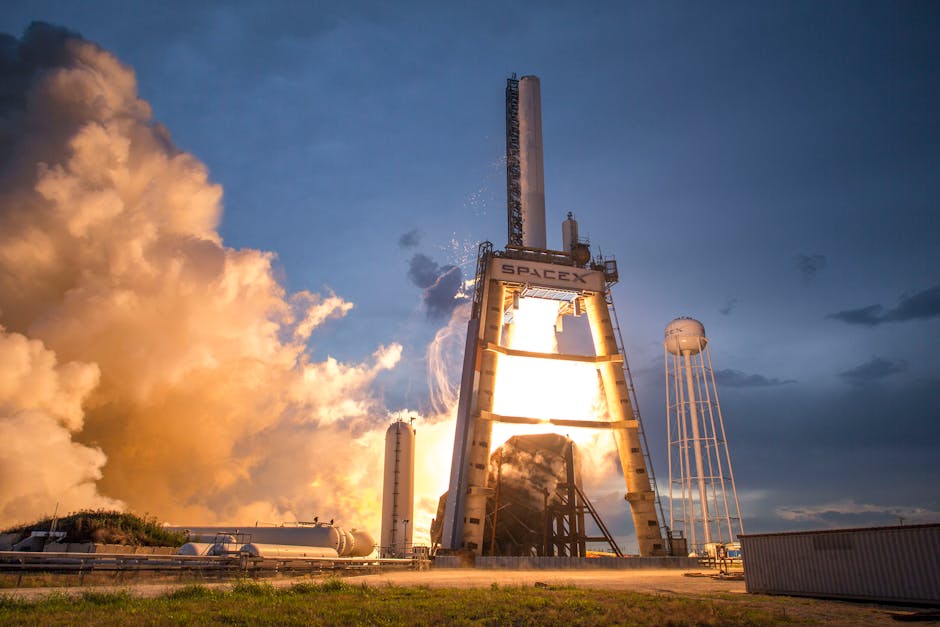
Photo: SpaceX
SpaceX is heading toward a $1.75 trillion valuation, and before the general public gets anywhere near those shares, the company has already set aside a slice for people Elon Musk and his executive team personally selected. Five percent of the IPO, at the IPO price, with the standard waiting period waived entirely.
That is not how most public offerings work.
The standard deal, and why SpaceX is breaking it
When a company goes public, insiders typically agree to a lock-up: a roughly six-month freeze on selling their shares. The logic is straightforward. If executives and early investors can dump stock the moment the ticker goes live, they can cash out before the market has had a chance to properly price the company. The lock-up exists to give regular investors a fair start.
SpaceX is doing something different. Through what its regulatory filing calls a directed share program, selected employees and individuals chosen by company executives will receive shares at the IPO price and face no lock-up at all. They could sell immediately after listing if they choose.
For everyone else, the structure is more complicated. Certain shareholders can begin selling after SpaceX reports its first post-IPO quarterly earnings, but only if specific conditions around stock price and company performance are met. More shares unlock in phases over subsequent months. All remaining restricted shares come free after six months.
Musk himself has agreed not to sell for about a year after the IPO. Other major investors face the same one-year restriction, though the filing does not disclose the size of their holdings.
What this means if you are not on the list
The directed share program recipients are not named in the filing. The company says eligible recipients are chosen by its executive officers, which in practice means the inner circle decides who gets discounted, unrestricted shares before the broader market has had a chance to establish a price.
For an ordinary investor buying in at the IPO or shortly after, the asymmetry is real. Unnamed insiders hold shares they can sell freely. Larger institutional holders are locked up but on a staggered schedule tied partly to conditions the company controls. The general public is last.
This is not illegal, and it is not entirely new. During the IPO surge of 2020 and 2021, companies including Airbnb, DoorDash, and Snowflake used phased lock-up releases rather than the standard flat six-month freeze. More recently, AI chip designer Cerebras and cybersecurity firm Rubrik have done the same. SpaceX is borrowing a structure that became fashionable in a frothy market and applying it to what would be one of the largest IPOs in American history.
The bigger issue at a $1.75 trillion valuation
Scale changes the stakes. At $1.75 trillion, SpaceX would be worth more than any company that has ever gone public. Five percent of that is roughly $87.5 billion in shares, a pool large enough to move markets on its own once those shares start trading freely.
The ordinary investor question is not just about fairness. It is about price stability. When insiders who paid the IPO price face no restriction on selling, they can exit into early retail demand. If enthusiasm drives the stock up sharply in the first weeks, the unlocked insiders have every incentive to sell into that rally. The buyers absorbing those sales are typically people who bought on excitement rather than analysis.
SpaceX is a genuinely remarkable company. Its Starlink satellite business generates real revenue, and its Starship rocket program represents the most ambitious launch infrastructure ever attempted. None of that is in question here.
What is in question is who gets the best terms on the way in, and who carries the risk on the way out. On that score, the filing is clear. The list of people getting the best deal is not public, and it was written by the executives running the company.