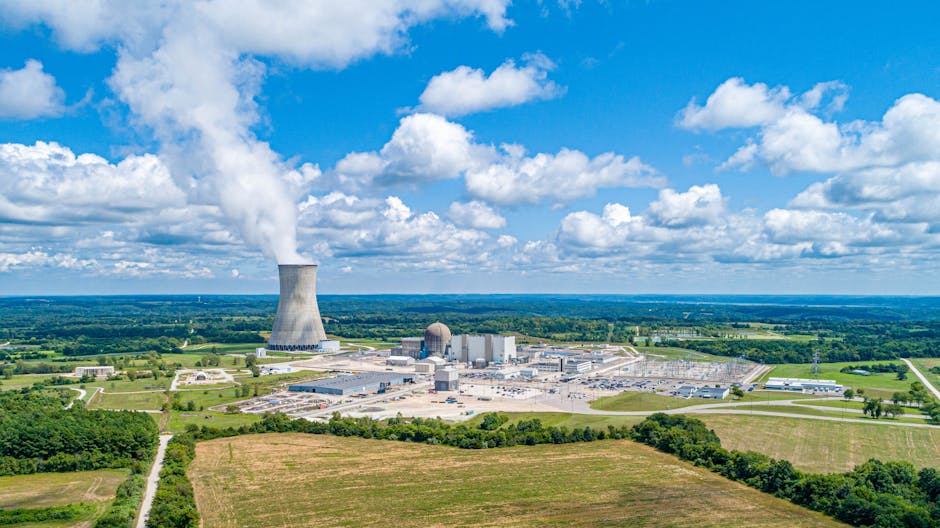
The US is sharing nuclear tech with Saudi Arabia. The safety rules are thin.
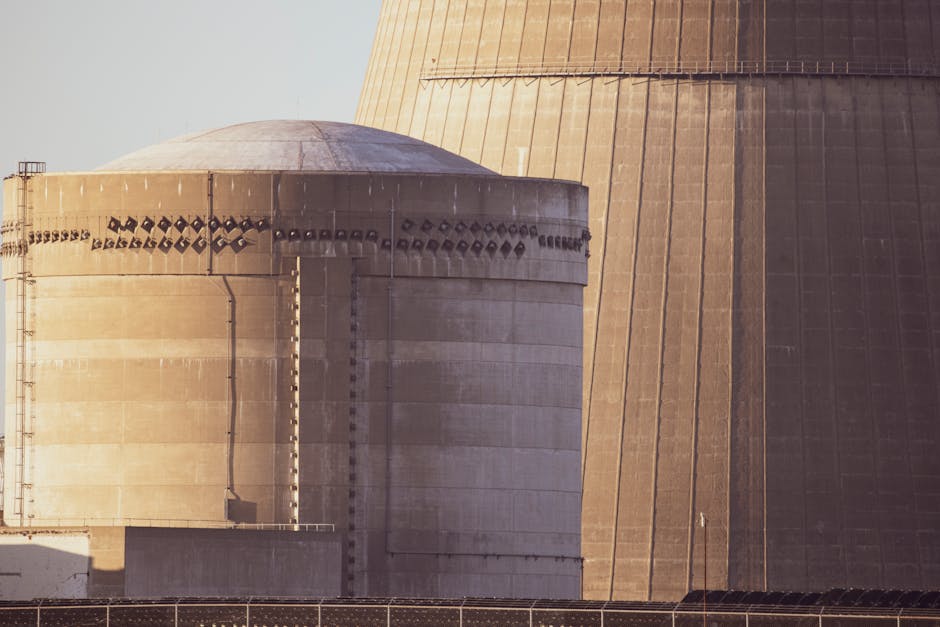
Photo: Sean P. Twomey
The United States is on the verge of sharing nuclear power technology with a country whose leader has publicly said he would pursue nuclear weapons if Iran does. The deal lacks the safeguards that American lawmakers and nonproliferation experts have spent years insisting should be non-negotiable.
A State Department letter dated May 18, reviewed by Reuters, confirms that a civil nuclear agreement with Saudi Arabia is in "final review" before President Trump signs it. Once he does, Congress gets 90 days to pass resolutions blocking it. If lawmakers don't act in time, the deal goes into effect automatically.
What the deal does and doesn't include
The agreement would lay the foundation for what the State Department calls a "decades-long, multi-billion-dollar civil nuclear partnership." It is designed to boost American nuclear industry exports and deepen diplomatic ties with Riyadh. On those terms, the logic is straightforward: the US nuclear industry wants customers, and Saudi Arabia wants reactors.
What the deal does not include is the set of protections that nonproliferation advocates consider essential.
The first missing piece is a protocol that grants the International Atomic Energy Agency, the UN's nuclear watchdog, broad oversight powers, including the ability to conduct snap inspections at undeclared locations. A dozen Democratic lawmakers wrote to Secretary of State Marco Rubio in March urging him to push for exactly this. The letter back to Senator Edward Markey says the agreement only requires a less demanding bilateral safeguards arrangement, negotiated between Washington and Riyadh directly, without the same reach.
The second missing piece is what's known as the "gold standard." That standard, which Saudi Arabia's neighbor the UAE accepted in 2009 before building its first nuclear plant, bans a country from enriching uranium or reprocessing nuclear waste. Both are pathways to producing the fissionable material needed for a weapon. The State Department letter to Markey makes no mention of this standard at all.
The White House pointed to a statement from Energy Secretary Chris Wright from last November asserting the agreement carries a "firm commitment to nonproliferation." The State Department says the draft contains all terms required by law and reflects "a shared commitment to strong nuclear safety, security, and nonproliferation standards." Saudi Arabia's embassy did not respond to a request for comment.
Why the missing guardrails matter
The concern isn't abstract. Crown Prince Mohammed bin Salman, Saudi Arabia's de facto ruler, said explicitly that the kingdom would seek nuclear weapons if Iran acquired them. Iran's nuclear program is precisely the threat that the Trump administration has cited as a justification for aggressive diplomatic and military pressure in the region. Senator Markey called the deal a contradiction, saying the administration was "giving nuclear-weapon-wannabe Saudi Arabia nuclear technology without the strongest safeguards, which is the same technology that the Trump administration went to war with Iran over."
Henry Sokolski, executive director of the Nonproliferation Policy Education Center, put the long-term stakes plainly: "If you let a country make nuclear fuel, you'd better hope they are your friend forever." Nuclear reactors run for decades. The political relationship that looks stable today may not look that way in twenty years.
Rubio himself supported the gold standard for Saudi Arabia when he was a senator. His reversal, now that he runs the State Department, points to a broader pattern: commercial and strategic priorities are winning the internal argument over nonproliferation caution.
That pattern has consequences beyond one bilateral deal. If the United States sets a permissive precedent with Saudi Arabia, other countries in a volatile region will notice. The value of a nonproliferation standard comes precisely from its consistency. A standard applied selectively, when it's convenient, is not really a standard at all.