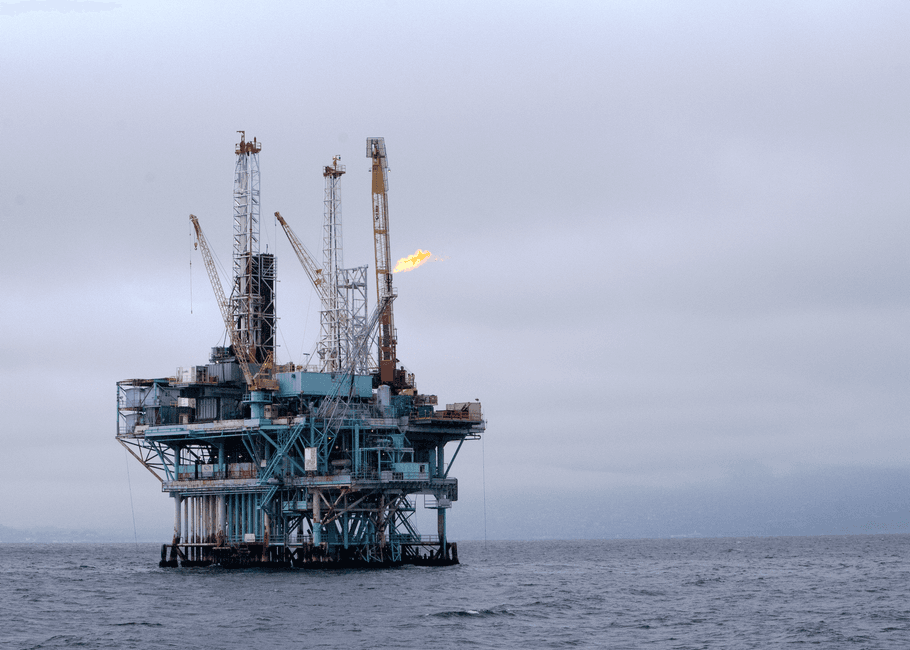
California Resources just sold $90 million of Utah oil for cash it says it needs in California

Photo: Stephen Leonardi
California Resources Corporation just sold 100,000 acres of Utah and Colorado oil and gas land for $90 million, and the company's own previous statements suggest the ground might have been worth more if they'd stayed.
The deal, announced September 17, hands an undisclosed buyer the company's Uinta Basin holdings, a chunk of land CRC picked up when it acquired Berry Corp last year. The transaction is expected to close before year-end.
CRC's CEO Francisco Leon called it a sharpening of focus. "The monetization of our Uinta Basin assets sharpens our focus on California," he said in a statement, adding that the proceeds would support shareholder returns and "invest in higher-return opportunities within the Golden State."
Why sell something you just bought?
When CRC absorbed Berry Corp, it inherited assets it didn't necessarily want. The Uinta Basin sits mostly in Utah and parts of Colorado, a long way from CRC's core California operations. And by the company's own accounting, Uinta was expensive to run. On its second-quarter earnings call, CRC described the assets as carrying higher capital intensity, higher break-even costs, lower crude quality, and steeper production declines than its California holdings. Transportation and operating costs added to the drag.
The assets also weren't moving the needle. Uinta contributed just 2.5% of CRC's oil production in the second quarter, and about 8% of its natural gas output. The company could shed them without meaningfully changing its production totals.
The $90 million will do two things. A portion, roughly $63 million, will offset the cost of a separate deal CRC is closing this month: the acquisition of Crimson Midstream Holdings, a pipeline and infrastructure business bought from CorEnergy Infrastructure Trust. The rest flows toward shareholder returns and general corporate uses.
The trade-off ordinary investors should watch
For CRC shareholders, the logic is straightforward on paper. Sell a peripheral asset you find costly to operate, use the cash to buy infrastructure you actually want, and return what's left. That's a tidier balance sheet and a cleaner story for Wall Street.
The risk is equally straightforward. CRC's own management described Uinta as having "meaningful development potential" not long ago. Selling now means locking in $90 million instead of waiting to see whether that potential materialized. If oil prices rise, or if the buyer develops those acres into something significantly more valuable, CRC will have traded future upside for present-day cash.
That trade-off matters beyond CRC's stock price. It reflects a broader pattern in the U.S. energy industry right now, where companies are under pressure from investors to return cash rather than develop distant or difficult acreage. The result is that assets move around the industry, from operators who don't want them to buyers who think they see something others missed. Sometimes the original seller looks smart. Sometimes they look like they left money in the ground.
For the communities and workers near the Uinta Basin, the immediate effect depends entirely on who the undisclosed buyer is and what they plan to do with 100,000 acres. CRC's exit doesn't mean the wells stop; it means a different set of decisions gets made about whether to drill, how fast, and at what cost.
For now, CRC is making a bet that California is where its future is, and that $90 million in hand is worth more than undeveloped potential in Utah.