Transocean just sold $80 million of deepwater time in Africa

Photo: Soly Moses
Transocean just booked an $80 million contract to drill off the coast of Equatorial Guinea, and the detail that matters most isn't the dollar figure. It's that the work starts the moment the rig finishes its current job in the US Gulf, with no gap in between.
That kind of seamless handoff is rare in offshore drilling, and it says something about where the industry's attention is moving.
What happened
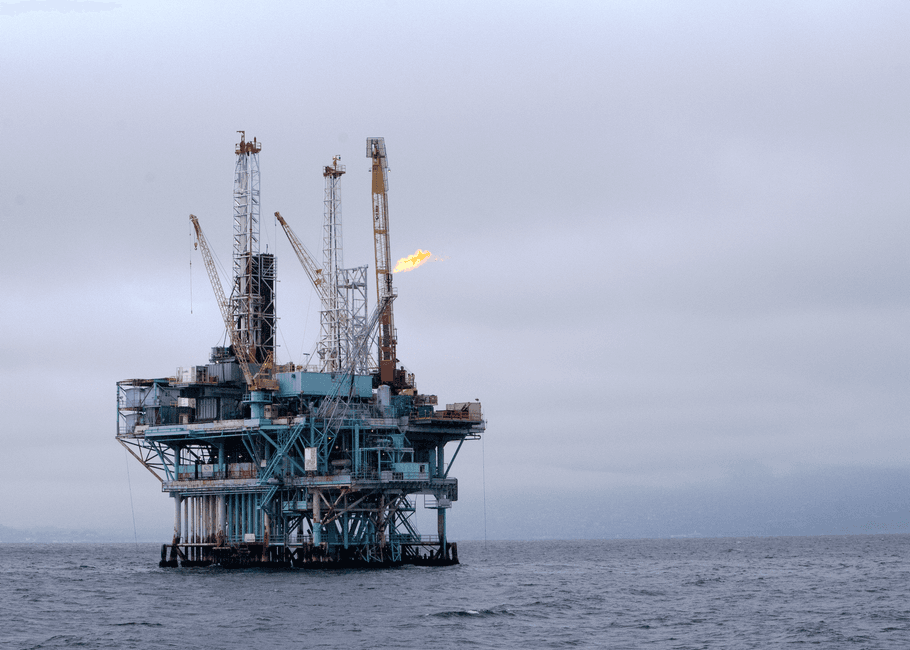
On September 15, Transocean announced that its Deepwater Conqueror drillship had secured the roughly 170-day campaign with an unnamed operator. The work is expected to begin next year. The Deepwater Conqueror was built in 2016 and can operate in water depths up to 12,000 feet, drilling to 40,000 feet below the seafloor. Transocean's total contract backlog now sits at approximately $6.7 billion, as of early August 2026.
Why Africa, why now
This deal didn't come out of nowhere. Transocean had already flagged on its second-quarter earnings call that growing demand for deepwater contracts in Africa was helping make up for a slowdown in new awards in the US Gulf. Companies that operate these rigs face a brutal math problem: the rigs are enormously expensive to build and maintain, so idle time is the enemy. Every day a rig sits unused, fixed costs keep running with no revenue to cover them.
Moving the Deepwater Conqueror directly from the Gulf to Equatorial Guinea solves that problem cleanly. No repositioning gap, no idle stretch, no scramble to find work. For Transocean, the $80 million figure adds what the industry calls backlog visibility, meaning the company now has a clearer picture of where its revenue is coming from into 2027.
What the $80 million doesn't tell you
The headline number deserves some skepticism. Transocean has not disclosed the daily rate it negotiated, the precise start date, or what it will cost to prepare the rig for the move. Those preparation costs, covering mobilization, maintenance, and crew, can absorb a meaningful slice of contract revenue before the company sees a dollar of real profit. Without those details, it's genuinely hard to say how much this contract improves Transocean's financial position versus simply keeping the rig occupied.
That distinction matters because keeping a rig busy and making money on a rig are related but not the same thing.
The bigger pattern
What this contract actually illustrates is a geographic rebalancing in global deepwater oil development. The US Gulf has historically been the most active deepwater market in the world, but activity there is cyclical and tied closely to American regulatory conditions, oil prices, and operator appetite. West Africa, and Equatorial Guinea in particular, has become a more active destination for deepwater capital as producers look for new reserves.
For ordinary Americans, this shift doesn't change their gas prices directly or immediately. Deepwater projects take years from contract to production. But the migration of drilling activity toward Africa signals something about where international oil companies think the next decade of supply is coming from, and that supply picture eventually shapes the prices everyone pays at the pump.
Transocean remains exposed to the same cyclical forces that have always made offshore drilling a volatile business. If oil prices fall sharply or operators pull back on deepwater spending, no amount of African backlog changes the company's fundamental vulnerability. For now, though, the Deepwater Conqueror has somewhere to be in 2027, and that is more than many rigs in the fleet can say.