China is drilling its way out of an energy vulnerability
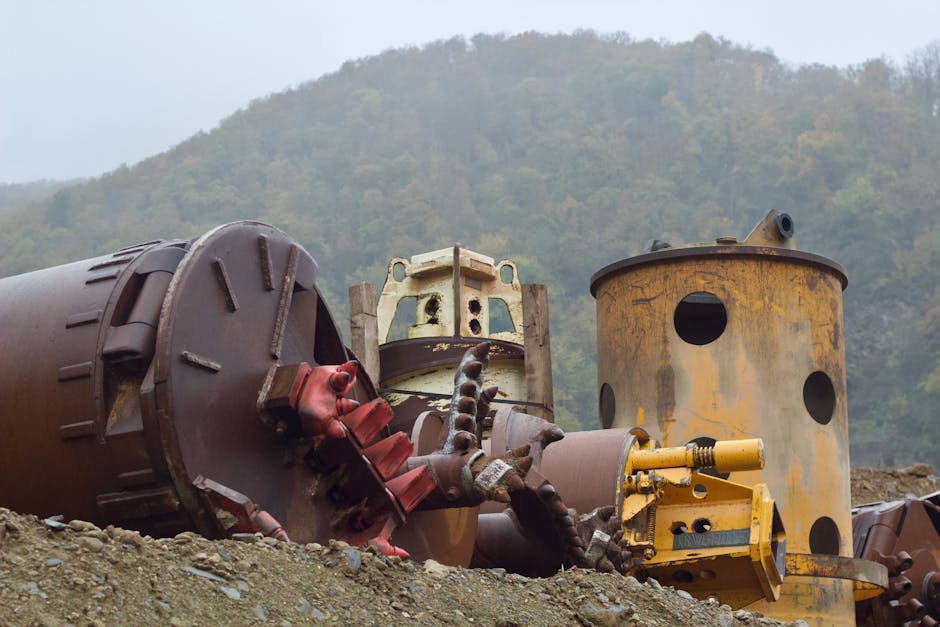
Photo: Peter Dyllong
Every time the world's energy markets convulse, China pays a price. As the planet's largest energy importer, it felt the shock when Russia invaded Ukraine and again when the Middle East war disrupted supply routes. Both events exposed how much economic and diplomatic room Beijing surrenders when it depends on others for fuel. Now China is trying to drill its way out of that position.
PetroChina, the country's top gas producer, is extracting a fuel called coal rock gas from deep beneath China's vast coal basins. The company's own experts forecast it could produce 30 billion cubic metres of this gas annually by 2035. To put that in perspective: that would exceed China's record shale gas output from last year, which already accounted for 10 percent of the country's total gas production.
What coal rock gas actually is
Coal rock gas is natural gas trapped in dense rock formations thousands of metres below the surface, far deeper than the coalbed methane China has pumped for decades. That shallower gas disappointed for years, yielding only 5 percent of national output because costs were high and individual wells produced too little.
The breakthrough came in 2021, when PetroChina applied fracking technology, the same high-pressure injection of water, sand, and chemicals that triggered the American shale boom, to a well in the Ordos Basin in northern China. The result was a commercial find producing 100,000 cubic metres per day. By the end of 2025, China had drilled more than 700 coal rock gas wells and was producing 4.2 billion cubic metres annually, almost entirely from that one field.
China is currently the only country commercially developing this resource. According to a 2025 presentation by PetroChina's parent company reviewed by Reuters, China's 14 coal basins may hold 13 trillion cubic metres of technically recoverable reserves at depths reaching 6,000 metres. That is an enormous number, even accounting for the gap between what's technically recoverable and what's economically worth extracting.
Why this matters beyond China's borders
China's gas consumption sits at around 430 billion cubic metres per year and is expected to keep rising until roughly 2040, when analysts project it will peak somewhere between 600 and 650 billion cubic metres. That's a lot of gas that has to come from somewhere.
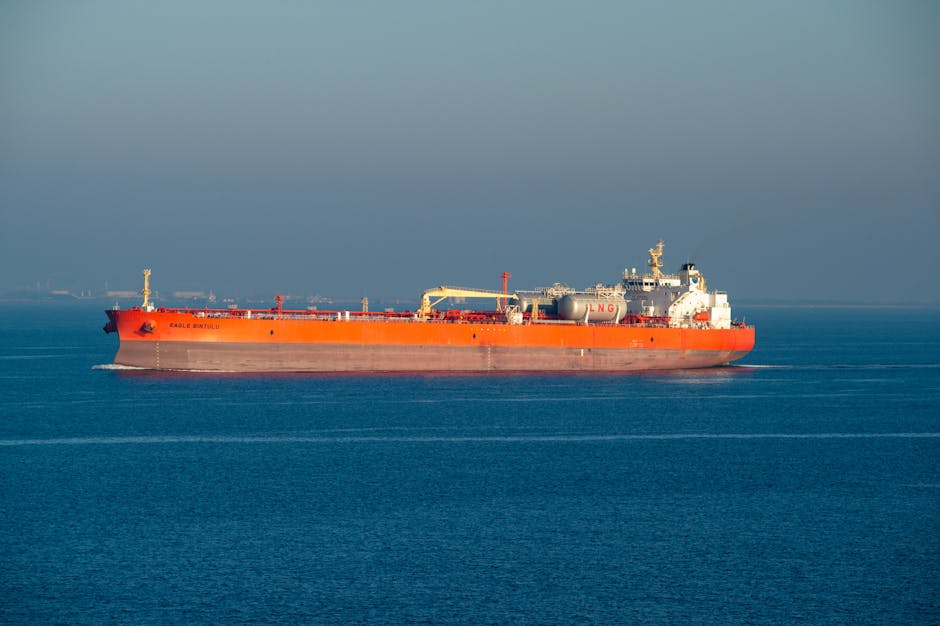
Right now, "somewhere" includes pipelines from Russia and Central Asia, and expensive shipments of liquefied natural gas from global markets. If coal rock gas delivers even a fraction of its projected output, it changes China's negotiating position significantly.
Russia has been pushing a deal to build the Power of Siberia 2 pipeline, which would carry more Russian gas to China. Beijing has been lukewarm. A credible domestic supply alternative makes China a harder customer to pressure. Every billion cubic metres China produces at home is leverage it no longer needs to concede at the table.
The same logic applies to global liquefied natural gas markets. China's appetite is large enough that its buying patterns move prices. A China that imports less tends to mean lower prices for liquefied natural gas buyers everywhere, including in Europe and Asia.
S&P Global Energy analyst Huang Tianshi described coal rock gas as currently offering "stronger growth potential than alternative domestic gas sources." The caveat embedded in that phrase matters: shale gas growth is slowing, and conventional fields are maturing. Coal rock gas is partly filling a gap that was already opening.
China has spent the last several years investing heavily in both this kind of domestic production and in electrifying its vehicle fleet. Together, those bets have given Beijing more insulation from global energy shocks than it had five years ago. Whether coal rock gas delivers at the scale PetroChina is projecting is a question that a decade of drilling will answer. But the direction of travel is clear: China is trying to make energy dependence someone else's problem.