The US grid is stronger this summer, but not everywhere
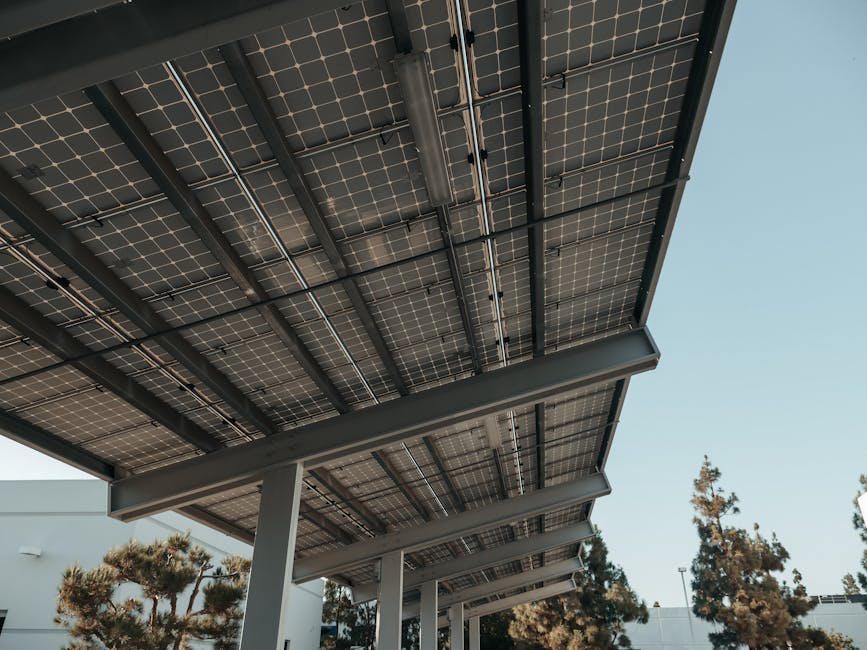
Photo: Kindel Media
The odds of a blackout this summer are lower than they were a year ago. But they are not zero, and where the risk remains, it remains for reasons that aren't going away.
That is the practical upshot of the North American Electric Reliability Corporation's summer readiness report, released Tuesday. The agency, which oversees the reliability of the bulk power grid across the United States and Canada, found that a wave of new power capacity has meaningfully improved the country's position heading into peak season.
The expansion is real and significant. New solar installations, battery storage systems, and some natural gas generators have added enough capacity that the number of regions the agency considers at elevated risk for supply shortfalls has fallen from six in 2025 to three regions and one locality in 2026. That is genuine progress.
Where the pressure is coming from
The reason the risk hasn't vanished is that demand is growing just as fast as supply.
Electricity consumption across the grid grew by 10 gigawatts in 2025, which itself had doubled the growth rate from the year before. This year, demand has added another 11 gigawatts on top of that. To put a rough frame around the number: a gigawatt is enough to power roughly 750,000 average American homes. The grid is being asked to serve the equivalent of several large cities' worth of new load every year, driven largely by data centers, manufacturing expansions, and the broader electrification of things that used to run on gas or diesel.
Building new power plants takes years. Adding new transmission lines takes longer. Solar panels and batteries have helped close the gap faster than traditional generation could, but the gap keeps widening.
The report also flags risks that no amount of new capacity can fully insulate against. Early summer heat arriving while some power plants are still offline for spring maintenance creates a dangerous overlap. Low wind output during heat waves, when everyone is running air conditioning, removes a resource precisely when it's needed most. Drought conditions reduce the cooling water available to thermal power plants and cut hydroelectric output.
These are not hypothetical edge cases. They are the conditions that have produced grid stress events in recent summers.
What this means in practice
For most Americans this summer, the grid will likely hold. The improvement from six at-risk regions to three is not cosmetic. It represents real added capacity that real engineers and operators can draw on.
But the three regions and one locality still flagged as elevated risk face a genuine chance of supply shortfalls if conditions turn severe. The report doesn't name those areas in the Reuters summary, but residents in regions with historically tight summer grids, particularly in parts of the South, Midwest, and West, should be aware that utilities may still call for voluntary conservation during peak afternoon hours on the hottest days.
The bigger pattern here is a race that the country is running without fully acknowledging it. Power demand is accelerating at a pace the grid was not built to handle. The surge in renewable additions is helping, but solar and wind produce power when the sun shines and the wind blows, not necessarily when demand peaks at 5 p.m. on a 100-degree day. Battery storage is the bridge between those two realities, and it is growing fast, but it is not yet large enough to close the gap entirely on its own.
The United States is building more power capacity than it has in decades. It is also adding more load than it has in decades. Which one wins this race will determine, in a very direct way, whether the lights stay on.