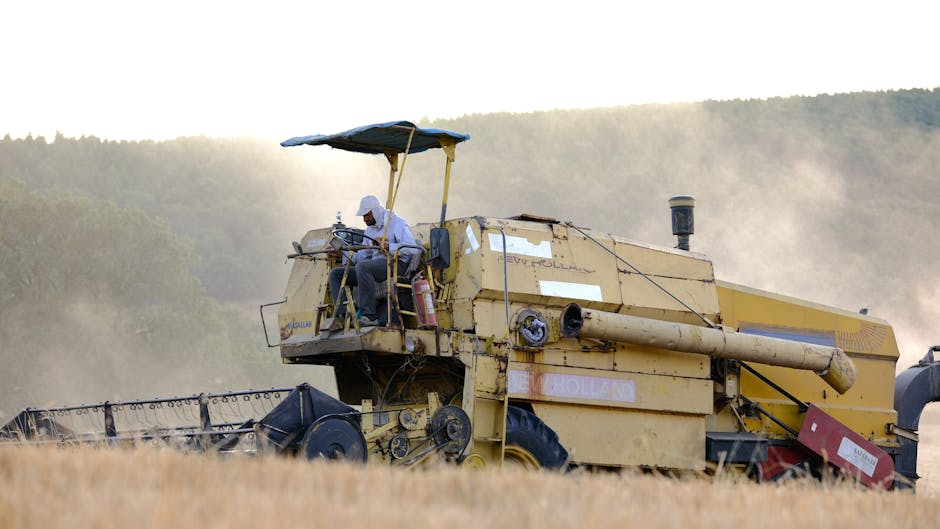
Australia is planting less wheat, and your grocery bill will feel it
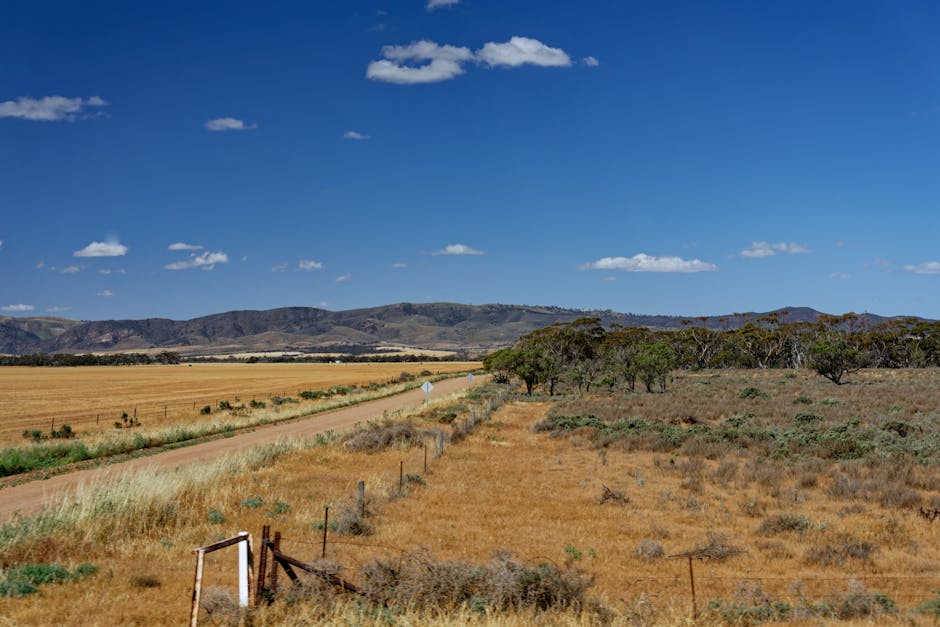
Photo: Gu Bra
The world's wheat supply was already stretched. Now the farmers who replenish it every year are pulling back, and the ripple will reach every country that buys bread, pasta, or animal feed on the global market.
Justin Everitt is planting 50% less wheat this season than he planned. He farms near Brocklesby in New South Wales, on land his family has worked for six generations. Standing beside his tractor in a bare field, he told Reuters he had never made changes this drastic before. "Every indicator is pointing towards lower production," he said.
Everitt is not alone. Reuters interviewed 18 Australian farmers and found that across the driest regions, most are sharply cutting back. Nationwide, many are switching from wheat to barley or canola, crops that either need less fertiliser or fetch a higher price. The two forces driving the retreat are the Iran war, which choked exports of fuel and fertiliser from Gulf nations and sent input costs soaring, and a dry season outlook that makes heavy investment in a crop feel like a gamble not worth taking.
What the numbers look like
Six agricultural analysts told Reuters that Australian wheat acreage will fall somewhere between 7% and 20% from last year. If dry conditions persist and the most pessimistic forecast holds, the harvest due late this year could shrink from roughly 36 million tons to as low as 21 million tons. That worst case would be a 41% decline.
Australia is the world's third-largest wheat exporter. A harvest that size would mean roughly 10 million fewer tons available for export, equivalent to about 5% of all the wheat traded globally in a typical year. Five percent sounds modest until you consider that grain markets, like oil markets, can move sharply on much smaller supply shifts.
Forty kilometres from Everitt's farm, Anthony Black told Reuters he plans to sow 20% less wheat and use one-third less fertiliser. The price of urea, a key nitrogen fertiliser, has roughly doubled. "It's just not there," he said of the budget room to absorb it.
A problem that stretches far beyond Australia
Australia is the first major grain exporter to plant its wheat crop since the Iran war began. It will not be the last to cut back.
Argentina's Rosario Grains Exchange says farmers there, also facing high costs, plan to plant 7% less wheat and could harvest around 11 million tons less than last year, a drop of roughly 37%. Canada's spring sowing is running behind its usual pace, and analysts expect lower output there too.
An analyst at an international grain trading firm told Reuters the global wheat market will likely shift from surplus into deficit this year, drawing down stockpiles and pushing prices higher. Those prices have already started to rise. Production of other crops will fall as well, the analyst said.
Forecasters are predicting the formation of an El Nino weather pattern across Australia, which typically heats and dries the country's east coast. Australia's Bureau of Meteorology expects below-median rainfall for most cropping zones from June through September. Some farmers who would normally plant into dry soil and wait for rain are skipping the season entirely because the weather outlook and the cost structure together make it too risky.
Not every corner of the country is suffering. Tim McClelland, who farms in Victoria, told Reuters good rainfall has given him the best start to a season he has ever had. He bought all the fertiliser he needs. "I feel a bit sick about the amount of money it cost," he said.
That contrast captures what is happening across global agriculture right now. The farmers who can absorb the costs and caught decent rainfall will do fine. Everyone else is retreating. And when enough of them retreat at once, the shortfall lands not on commodity traders but on the price of food.