Gas prices may be heading up as US oil stockpiles keep shrinking
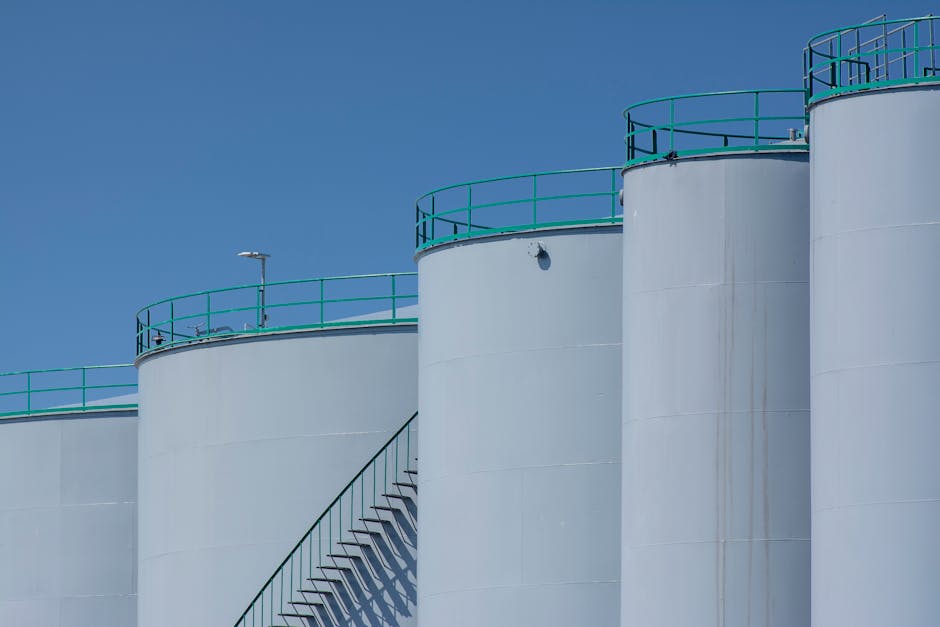
Photo: Jan van der Wolf
The cushion between American drivers and higher gas prices just got a little thinner. Again.
U.S. crude oil inventories fell by 9.1 million barrels in the week ending May 15, according to data from the American Petroleum Institute reported by Reuters on Tuesday. That marks the fifth consecutive weekly decline. Gasoline stockpiles dropped by another 5.8 million barrels in the same period. Distillate inventories, which cover diesel and heating oil, fell by 1 million barrels.
Five straight weeks of falling crude stocks is not routine. It signals that demand, refinery activity, or export flows, or some combination of all three, are drawing down the national supply faster than new oil is coming in to replace it.
Why the gasoline number matters more
The crude inventory figure gets most of the headlines, but the 5.8-million-barrel drop in gasoline stocks is the number that connects most directly to what you pay at the pump.
Refineries buy crude and turn it into gasoline. When gasoline stockpiles fall sharply alongside crude, it usually means refineries cannot build up the supply buffer that keeps retail prices stable. Less supply relative to steady or rising demand tends to push prices up. The relationship is not instant, and retail gas prices have their own lag, but the direction of travel is clear when both crude and gasoline inventories are falling together.
As a rough illustration: if national gasoline stocks fall enough to tighten regional supply ahead of the summer driving season, which typically peaks around Memorial Day and runs through Labor Day, prices at individual stations can move up by several cents per gallon within weeks.
The bigger pattern
This five-week drawdown is happening at a moment when oil markets are already watching several crosscurrents. OPEC and its allies have been signaling they could increase production, which would add supply and put downward pressure on prices. But signals and barrels are different things, and until additional supply actually shows up in storage tanks, the domestic inventory trend is what traders and refiners are working with right now.
There is also a seasonal element. The U.S. typically draws down crude and gasoline inventories in spring as refineries shift over to summer-blend fuel formulations and driving demand picks up. Some of what the API data is capturing may be normal seasonal behavior. But five consecutive weeks of declines, with the most recent single-week drop topping 9 million barrels of crude, is on the larger end of what seasonal patterns alone would explain.
The official government inventory figures from the U.S. Energy Information Administration are expected to follow. Those numbers will either confirm or complicate the API picture. If they align, the case for tighter near-term supply, and the price pressure that comes with it, gets harder to dismiss.
For anyone filling a tank this week, none of this is immediate. But the inventory trend is the early signal that shows up in wholesale markets before it reaches the price on the sign at the corner station.