Coffee prices may finally ease. A record Brazil harvest is why.
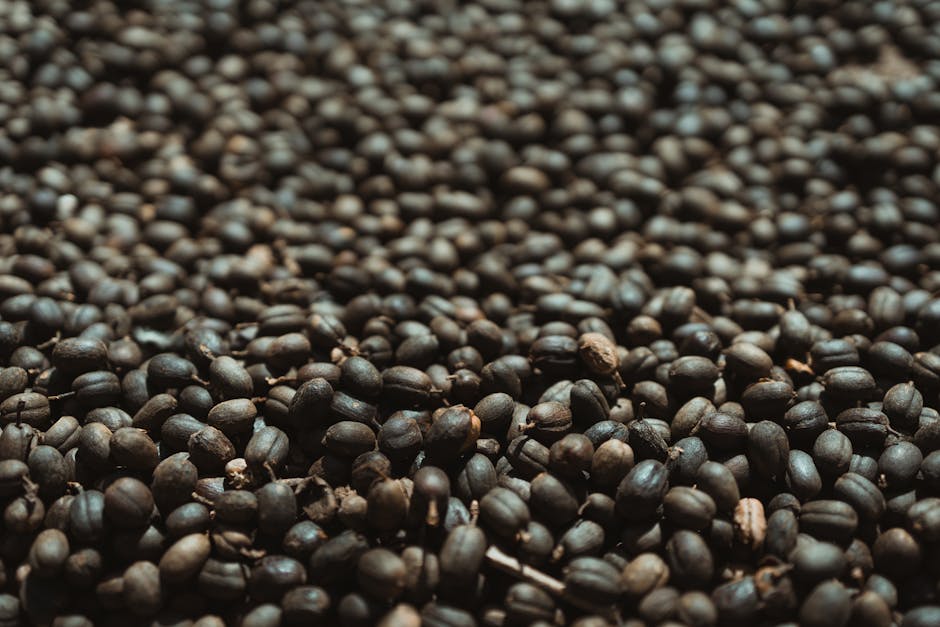
Photo: César Coni
If your grocery bill has felt the weight of expensive coffee lately, the reason traces back years. Production shortfalls across major growing countries drained global stocks to historically low levels and sent prices climbing. Relief may now be on the way, and it is coming from Brazil.
Carlos Santana, director at EISA, the Brazilian arm of global commodities trader ECOM and one of Brazil's largest coffee exporters, told Reuters this week that Brazil expects to export a record volume of coffee in the crop year starting this July. He estimated green coffee exports would reach roughly 50 million 60-kilogram bags. Brazil's previous record was 46.3 million bags, set in 2024.
The volume behind that figure is striking. EISA has estimated Brazil's 2026-27 production at 75.8 million bags, which would be an all-time high. Only about 5% of this year's crop has been harvested so far, but the trajectory is clear enough that traders are already planning around it.
Why farmers will move fast
There is a specific financial incentive pushing Brazilian farmers to sell quickly rather than hold. The coffee market is currently "inverted," meaning prices are higher right now than they are in futures contracts for later delivery. That is the opposite of the normal pattern. When the market works this way, farmers who wait to sell are effectively betting against themselves. Santana told Reuters shipments would likely ramp up noticeably by July or August.
For consumers, the direct consequence is the possibility of restocked shelves and downward pressure on coffee prices, which have been elevated for an extended stretch. Global buyers have been drawing down reserves because there simply was not enough supply coming in. A Brazilian export surge of this scale would start refilling those reserves.
The risk sitting on the horizon
The optimism comes with a significant caveat: El Nino.
The weather pattern, driven by warming of the Pacific Ocean that disrupts rainfall and temperature across much of the world, is expected to develop this year. For Brazil's coffee regions, the picture is mixed. Warmer temperatures can reduce the risk of frost, which is a genuine threat to coffee trees. But that same warmth could damage the flowering stage that typically happens in September and October, and flowering is what determines next year's harvest.
If El Nino turns out to be more damaging than helpful, Brazilian farmers would likely slow their selling pace, anticipating tighter future supply. That would work against the current optimism and could keep a floor under prices longer than buyers hope.
Santana said the industry would have a clearer read on El Nino's likely impact by July or August, roughly the same window in which record shipments are expected to begin.
The larger pattern here is one that plays out repeatedly in agricultural commodities: a period of scarcity drives prices high enough to incentivize maximum production, which then threatens to flip the market in the other direction. Brazil's record crop is partly a response to the very price spike it is now expected to ease. Whether that easing reaches your coffee aisle, and how much of it does, depends on how retailers and roasters pass through the change. But the underlying supply pressure that has been driving costs upward for two years is at least starting to move the other way.
The next crop is the open question. Coffee markets will be watching Brazilian weather forecasts in the coming months with unusual attention.