ExxonMobil and Chevron are moving into Azerbaijan, and Europe is why
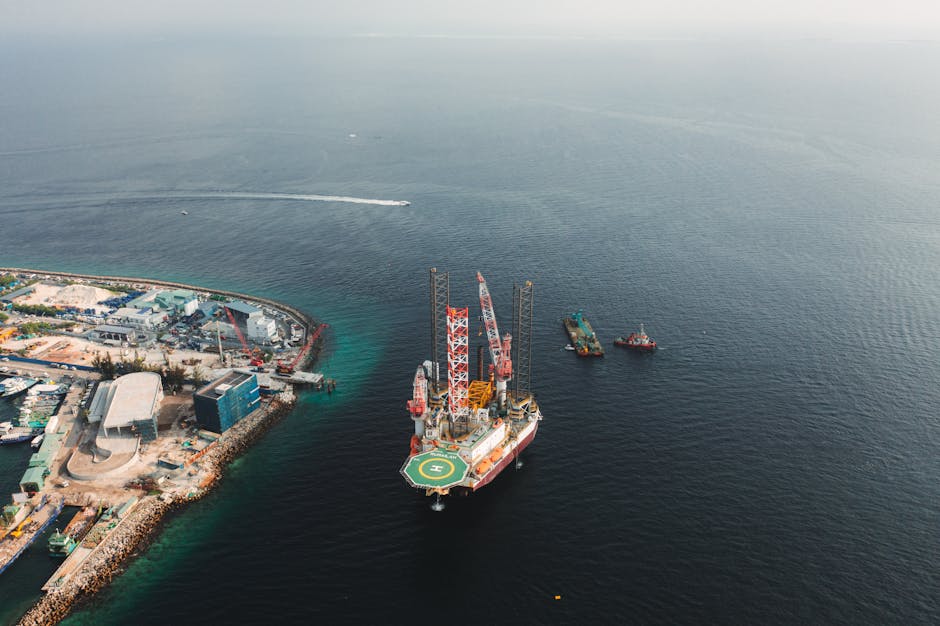
Photo: Maahid Photos
The United States just signed more than $8 billion in commercial agreements with Azerbaijan, and the ambition behind the number is larger than the number itself. Washington wants to reshape where Europe gets its energy, and it has picked a small Caspian nation sitting at the crossroads of pipelines and politics to do it.
U.S. Assistant Secretary of State Caleb Orr made the announcement in Baku on Tuesday, saying the U.S. was planning "concrete investments in the energy sector" and seeking a larger role in Azerbaijan's energy infrastructure. ExxonMobil and Chevron are both involved. ExxonMobil signed a memorandum of understanding on new exploration opportunities at last year's Baku Energy Week. Chevron signed a new exploration agreement at this year's event. Orr said Washington supports both.
Why Azerbaijan, and why now
The geography tells most of the story. Azerbaijan sits on the Caspian Sea and connects, through existing pipelines, to Turkey and from there to Southern Europe. Orr described the goal directly: help Azerbaijan become "the central node of the Middle Corridor for energy transit going to Europe and to the rest of the world." The Middle Corridor is a trade and transit route running from Central Asia through the Caucasus and Turkey, bypassing Russia entirely.
Europe has been trying to reduce its dependence on Russian energy since Russia's invasion of Ukraine. That effort reshuffled global energy flows and created a durable opening for alternative suppliers. Azerbaijan was already a gas exporter to Europe before the war. These investments suggest Washington sees an opportunity to deepen that role and plant American companies at the center of it.
The diplomatic architecture matters here. The $8 billion in deals and the energy cooperation agreements weren't signed in a vacuum. They follow a Strategic Partnership Charter that both countries signed during Vice President JD Vance's visit to Baku in February. Azerbaijan's Economy Minister Mikayil Jabbarov said the two countries have identified energy, investment, regional connectivity, and artificial intelligence as their four priority areas. The energy push is part of a broader bet on Azerbaijan as a strategically useful partner.
What this means beyond the deal room
For ordinary Americans, the most direct consequence of this kind of investment is not immediate. ExxonMobil and Chevron are exploring and investing, not flipping a switch on a new supply source. New exploration agreements take years to produce output.
But the longer-term logic matters. If American energy companies anchor themselves in Azerbaijan's infrastructure and help expand its export capacity toward Europe, a few things follow. Europe becomes somewhat less vulnerable to Russian energy pressure, which reduces the political leverage Moscow can exercise over U.S. allies. American companies capture revenue and influence in a corridor that competes with Russian and Chinese routes. And the United States gets a structural stake in a region it has historically engaged with unevenly.
There is also a straightforward commercial dimension. ExxonMobil and Chevron are large companies with global exploration portfolios. Azerbaijan's Caspian fields are established, and the country has been producing oil and gas for decades. New exploration agreements there are not speculative bets on an unproven frontier. They are extensions of a known resource base, backed now by explicit diplomatic support from Washington.
Whether $8 billion in agreements eventually translates into production, pipeline capacity, and lasting influence over European energy flows depends on execution, geology, and the continued political alignment between Baku and Washington. But the direction is clear. The United States is treating Azerbaijan's energy infrastructure as a geopolitical asset, and it is putting two of its largest oil companies in position to help build it.