Germany's offshore wind buildout is stalling before it starts
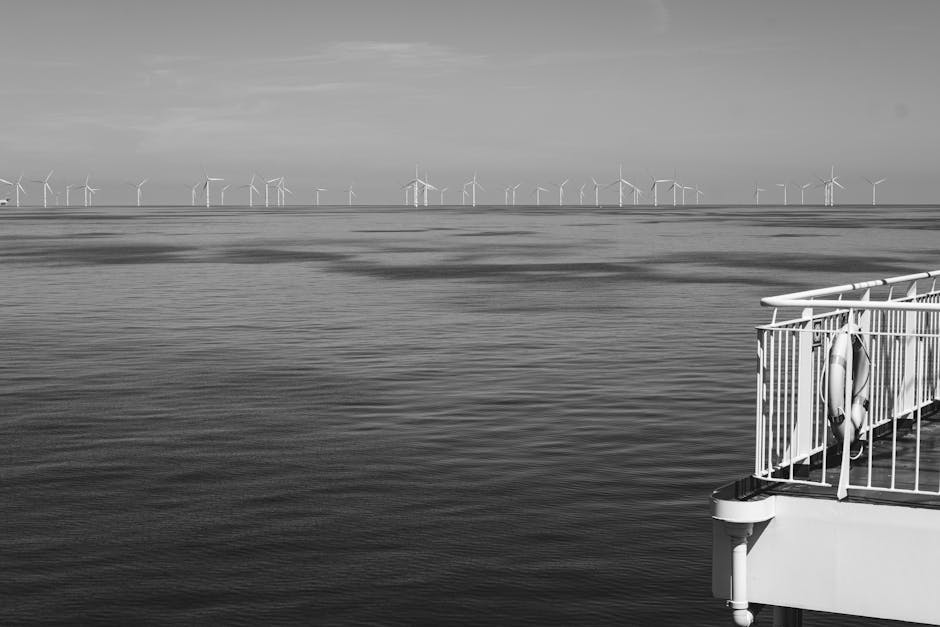
Photo: Stefan Petrov
Germany set itself an ambitious target: become a major offshore wind power, with dozens of turbine farms rising from the North and Baltic Seas. The problem is that the sites are allocated, the money is committed, and the turbines aren't being built. The grid isn't ready, the rules aren't flexible enough, and some of the world's largest energy companies are quietly reconsidering.
Germany's offshore wind lobby, known as the BWO, warned this week that up to 50 billion euros (roughly $58 billion) worth of projects planned for the 2023 to 2025 window could face significant delays unless the law changes. The group is pushing for a specific fix: let developers voluntarily hand back wind farm sites they can't yet use, so those sites can be reassigned to companies that are ready to build. Right now, the rules don't allow that. Sites sit idle, competitors can't access them, and the whole pipeline slows down.
The grid is the bottleneck
The immediate cause of the logjam isn't political will or even money. It's the physical infrastructure that carries electricity from offshore turbines to homes and factories on land. Grid connection delays have become severe enough that TotalEnergies, the French energy giant, launched a formal review last year of the offshore concessions it had won since 2023, saying openly that it needed to have a conversation with German authorities about what happens next. This week, TotalEnergies said its strategy to develop offshore wind in Germany "has not changed," but that's a carefully worded reassurance, not a ringing endorsement.
JERA Nex BP, the joint venture between BP and Japan's JERA that manages Germany's offshore projects for those companies, said it continues to "assess the options" and is "engaged with stakeholders including the German government." That language means something: companies at full speed don't issue statements about assessing options.
Why this matters beyond Germany
For ordinary Germans, delayed offshore wind has a direct cost. Germany has been on an uncomfortable path since cutting its dependence on Russian gas after 2022, relying more heavily on imported liquefied natural gas and keeping some fossil fuel plants running longer than planned. Offshore wind was supposed to be a core part of the exit from that situation. Every year of delay is a year that electricity prices stay higher than they need to be, and a year that Germany's industrial base, already under pressure from high energy costs, stays at a competitive disadvantage against countries with cheaper power.
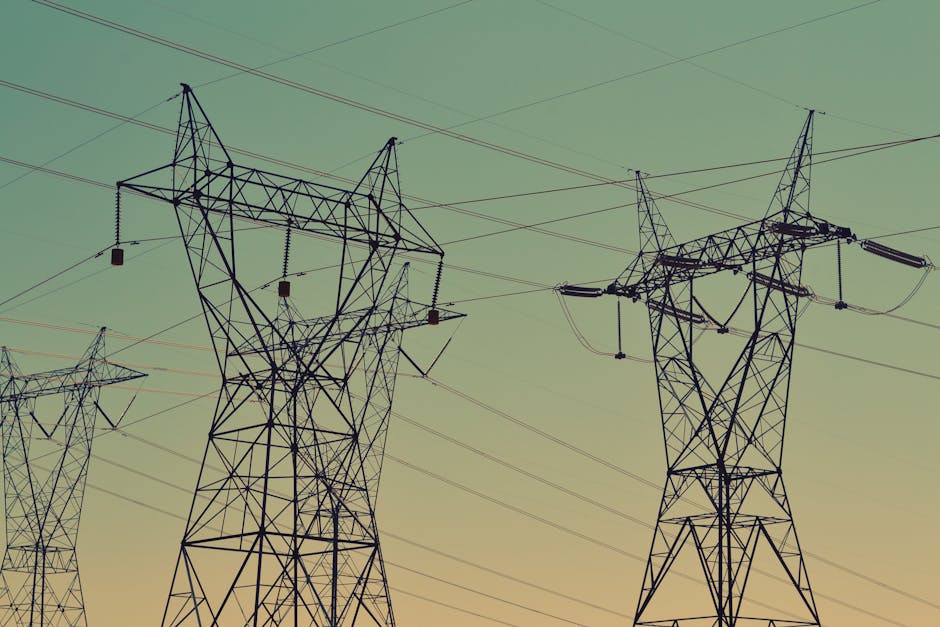
The broader pattern here is one that repeats across the energy transition: the physical systems that move electricity haven't kept pace with the political ambitions to generate it. You can permit a wind farm and sign contracts with a developer, but if the cable connecting it to the grid isn't built, the turbines don't spin. Grid investment tends to be slower and less glamorous than generation investment, and it's often managed by regulated monopolies with less urgency than private developers. That mismatch is now showing up as a measurable, multi-billion-dollar delay in Germany's clean energy buildout.
The BWO's proposed fix, freeing up stranded sites so more agile developers can use them, is a reasonable workaround. But it treats a symptom. The deeper problem is that Germany permitted offshore wind expansion without ensuring the transmission infrastructure could absorb it on the same timeline. Until that gap closes, the turbines stay unbuilt, the energy stays unmade, and the price of the transition stays higher than it should be.