Qatar's gas delays look short. The energy ripple reaches further.
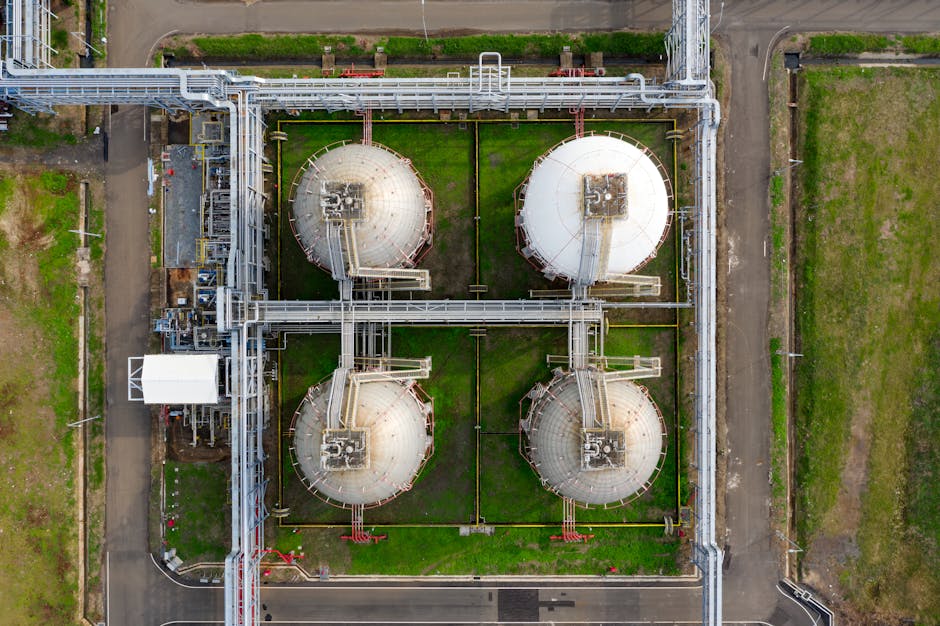
Photo: Tom Fisk
The world's biggest gas exporter took a hit in March, and the energy markets have been pricing in worst-case scenarios ever since. Now there's a more measured read on what the damage actually means.
Jonathan Burgess, ConocoPhillips' president for Europe Gas, told an industry conference in Amsterdam on Monday that the company's two joint ventures with QatarEnergy, focused on Qatar's North Field East and North Field South projects, are still moving forward. "Whilst we might see some delays, they are more likely measured in months rather than years," he said.
That's a meaningfully different signal than what QatarEnergy itself put out. The Qatari state energy company had warned that gas supplies to China, South Korea, Belgium, and Italy could be impacted for years, following strikes on March 19 that damaged onshore facilities at Ras Laffan, several weeks into the Iran war.
What's at stake in the North Field
The North Field projects aren't small. ConocoPhillips is partnered with QatarEnergy in two joint ventures designed to lift Qatar's total LNG production capacity from 77 million metric tons per year to 126 million metric tons per year. That's a roughly 64 percent increase. Delays to that expansion don't just affect Qatar's bottom line; they affect how much gas is available globally at a time when Europe is still scrambling to replace Russian supply and Asian demand keeps growing.
LNG, liquefied natural gas, is natural gas chilled to liquid form so it can be loaded onto tankers and shipped anywhere. It's the mechanism by which a gas glut in the U.S. Gulf Coast becomes relief for a cold winter in Germany or South Korea. Supply constraints anywhere in that chain show up as higher prices and tighter choices everywhere.
Marco Saalfrank, head of merchant trading at the Swiss energy group AXPO, offered a slightly less optimistic version of the same story at the same Amsterdam conference. He estimated the expansion timeline could slip by six months to a year, depending on how long it takes to find a resolution to the Iran war. He also said he expected some demand pullback to help balance the global LNG market over the coming year, which would reduce the immediate pressure on prices.
The American backup
One reason the outlook isn't more alarming: U.S. supply is climbing. Burgess confirmed that ConocoPhillips is "heavily investing" in the Port Arthur LNG project in Texas, with initial production expected in 2027. A surge in American exports won't fully replace Qatari capacity, but it does give buyers more options and traders more flexibility, which tends to soften the price impact of any single disruption.
The Strait of Hormuz, the narrow waterway through which roughly a fifth of the world's oil and a significant share of its LNG passes, has been a point of acute anxiety since the conflict began. A sustained blockage there would be a different order of problem entirely. For now, the damage is concentrated at the Ras Laffan onshore processing facility, and the question is how quickly it can be repaired or worked around.
For ordinary consumers, the connection to this news runs through your utility bill and, in Europe especially, through energy security that governments spent years trying to rebuild after Russia's 2022 invasion of Ukraine. A months-long delay is manageable. A years-long one would reopen questions about supply adequacy that European policymakers thought they had, at least partially, answered.
The difference between those two outcomes may still depend on a war no one controls.