The FCC just made undersea internet cables a home-team game
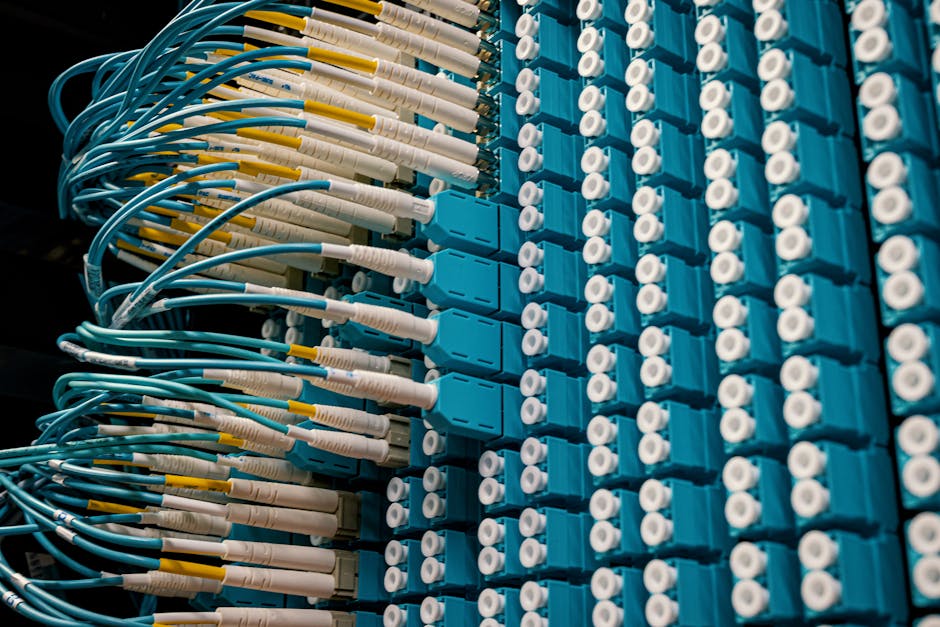
Photo: Brett Sayles
The FCC is about to redraw the map of the internet's physical backbone, and the winners are already named: Google, Meta, and any other U.S. tech company that wants to lay cable faster than its rivals can get a permit.
On Wednesday, the Federal Communications Commission announced plans to tighten oversight of submarine communications cables, the fiber-optic lines running along the ocean floor that carry 99% of international internet traffic. The rules would do two things at once: lock Chinese companies out of the most critical equipment in these systems, and give trusted U.S. firms a fast lane to get new cables approved.
Why this matters beyond the industry
Most people don't think about undersea cables because they don't have to. You click, the page loads, and the fact that your request just traveled thousands of miles across the ocean floor is invisible. But that invisibility is the point. These cables are the physical infrastructure of the global internet, and whoever controls the equipment connecting them to land has leverage over an enormous amount of data.
The FCC's new rules would require licenses, for the first time, for operators of what it calls submarine line terminal equipment. These are the systems that connect the cable where it surfaces from the ocean to the land-based internet. Think of them as the front door of the undersea internet. The proposal would ban equipment from China or any other country the U.S. designates as a foreign adversary from being installed in that doorway.
This expands a ban the FCC put in place last year, which barred specific Chinese companies including Huawei, ZTE, China Telecom, and China Mobile from providing equipment or services at undersea cable facilities. The new rules go broader, targeting the country of origin rather than just a list of named firms.
The fast-track and what it costs to use it
For U.S. companies, the new rules come with a tradeoff that looks favorable on paper. Google and Meta, both of which operate their own undersea cable networks to handle the scale of their global traffic, would be eligible for an expedited approval process. The catch: to use the fast lane, operators must commit to strict security practices, actively guard against espionage, monitor compliance continuously, and agree not to use any foreign equipment that could pose a risk.
That's a meaningful commitment, but for companies already spending billions on private cable infrastructure, it's unlikely to be a dealbreaker. The fast-track is valuable because the current approval process is slow and the demand for bandwidth is growing fast. More cable capacity means faster, more reliable internet for everyone who uses these companies' products, which is most of the English-speaking world.
The bigger pattern
This move fits a broader and accelerating trend: the U.S. treating the physical internet as a national security asset, not just a commercial one. For more than a year, officials across the executive and legislative branches have been raising alarms about the vulnerability of the roughly 400 subsea cables that undergird global connectivity. Senator Jim Risch, chair of the Senate Foreign Relations Committee, called in April for international cooperation to improve the resilience of this infrastructure and for naming responsible parties when sabotage occurs.
The Justice Department made a version of this argument as far back as 2021, when it said national security agreements with Google and Meta on submarine cables were necessary because of China's "sustained efforts to acquire the sensitive personal data of millions of U.S. persons."
What's changed is the pace and the scope. The U.S. is no longer just reviewing individual cable projects for security risk. It is building a licensing architecture designed to govern who can touch the infrastructure at all, and to make Chinese equipment structurally incompatible with the U.S. end of the global internet. The commercial benefits to U.S. tech firms are real, but they are largely a byproduct of a security strategy, not the point of it.