UAW just struck the factory that keeps GM trucks moving
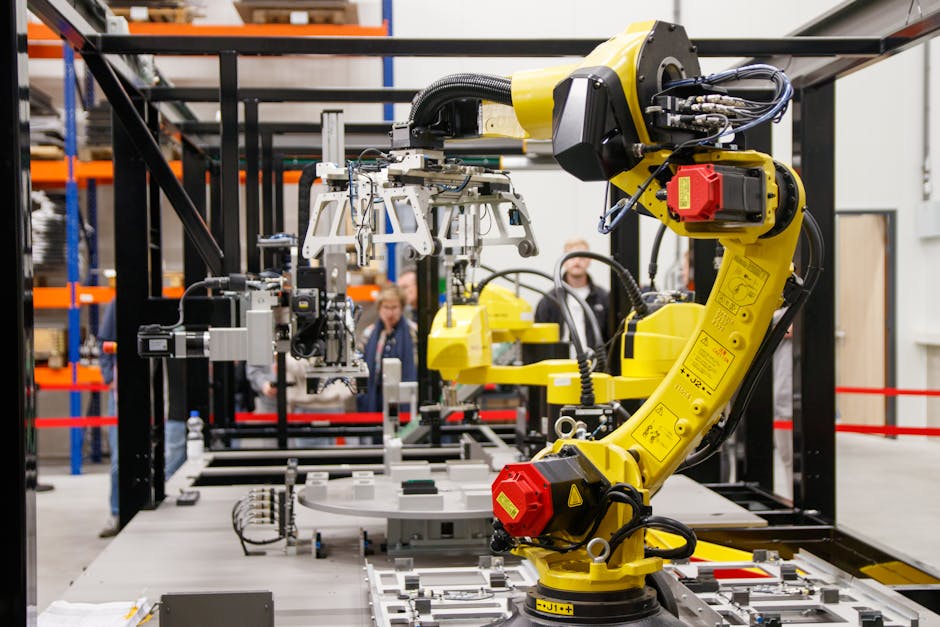
Photo: Freek Wolsink
About 1,000 workers walked off the job at midnight Sunday at a factory in Three Rivers, Michigan, and their absence could stop one of the most profitable assembly lines in the American auto industry.
UAW President Shawn Fain called the strike at a Dauch Corp plant that makes axles for General Motors pickup trucks. Pickup trucks are not a minor product line for GM. They are the core of the company's profits, and axles are not optional equipment.
What actually happened
Dauch Corp, formerly named American Axle, makes driveline parts, the components that transfer engine power to the wheels. Without axles from this plant, GM cannot finish its trucks. The UAW says roughly 1,000 unionized workers at the Three Rivers facility voted 98% in favor of authorizing a strike back in May. On Sunday night, Fain announced they were going through with it.
GM said it was "closely monitoring the situation and assessing any potential impact." Dauch did not respond to requests for comment before the strike began.
The 18-year pay cut
The union's central argument is straightforward and worth understanding on its own terms.
In 2008, during the auto industry's near-collapse, workers at this plant accepted significant pay cuts to keep the factory alive. Wages that had reached as high as $29 an hour were restructured downward. Today, wages top out at $22 an hour after a five-year progression period. That is a pay ceiling roughly 24% lower than what workers earned before the financial crisis, in a dollar that has itself lost significant purchasing power since then.
Fain put it directly on his livestream: "For 18 years, these members have built you an empire of profit while getting treated like dirt. They've taken wage cuts, benefit cuts, they poured their souls into this plant."
The UAW is now pushing for wage increases to reverse what it frames as a sacrifice that was never repaid.
Why this matters beyond Three Rivers
A strike at a single supplier plant can move through an automaker's production system faster than most people expect. Modern vehicle assembly is built around just-in-time delivery, meaning parts arrive at the factory shortly before they are needed rather than sitting in a warehouse. There is almost no buffer. If axles stop flowing from Three Rivers, GM's truck assembly lines face a shutdown that could begin within days, not weeks.
GM's full-size pickup trucks, the Silverado in particular, are among the highest-margin vehicles the company sells. A prolonged disruption would not be a rounding error on GM's balance sheet. It would cut directly into the profits that fund everything else the company does, including its electric vehicle investments.
The bigger pattern
This strike sits inside a longer argument that the UAW has been making since its 2023 contracts with the Detroit Three automakers. Fain's playbook is to go after the weakest links in the supply chain, the plants where workers have the most leverage because their output is hardest to replace quickly. A single axle factory for GM trucks is exactly that kind of pressure point.
There is also a structural grievance here that goes beyond wages. Workers at supplier plants have historically earned less than workers at the automakers themselves, even when they are building components those automakers cannot do without. The UAW has been trying to compress that gap. The Three Rivers plant is the latest test of whether suppliers will move, or whether a strike has to cost GM enough money that GM puts pressure on Dauch to settle.
The answer to that question will take shape over the next few days. If GM's truck lines slow down, the negotiation will accelerate.