Serbia's only refinery is caught between Russia, Hungary, and Washington
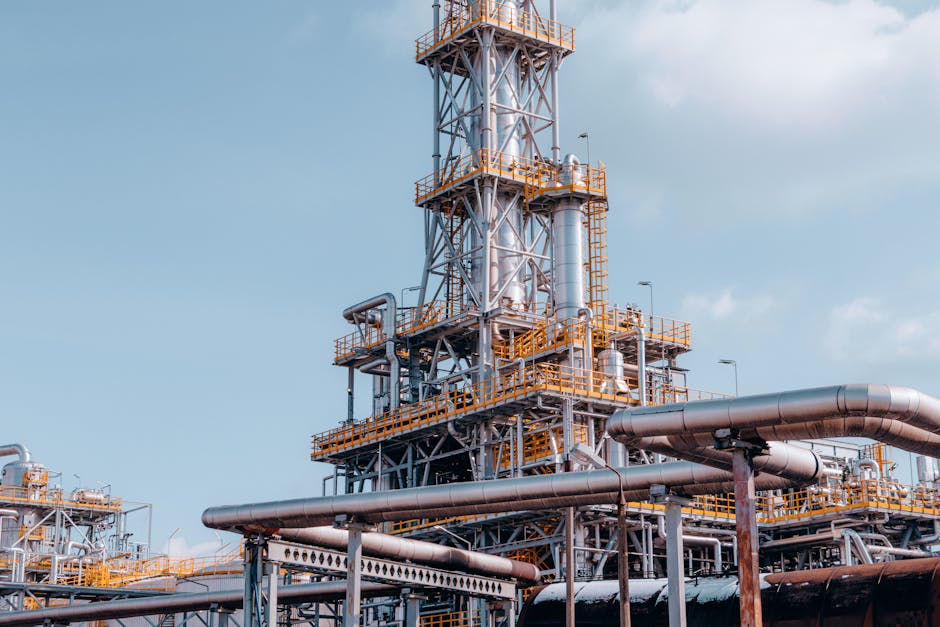
Photo: Jakub Pabis
Serbia has one oil refinery. For years it has been owned by Russia. Washington wants that to change, and a Friday deadline just passed without the transfer happening.
The company at the center of this is NIS, which runs Serbia's only refinery and sits at the heart of the country's fuel supply. Russia's Gazprom Neft and Gazprom hold a combined 56% majority stake in NIS. The United States, as part of its sanctions campaign against Moscow's energy sector, imposed sanctions on NIS in October and set a deadline of May 22 for the Russian companies to sell their shares. The buyer lined up was MOL, Hungary's largest oil and gas company, which signed a binding agreement in January to purchase the stake. The price was not disclosed.
The deadline arrived. The deal did not.
Serbian President Aleksandar Vucic said Thursday evening he was "not optimistic" a deal would be reached in time. He was right that the deadline would pass, but also right that Washington would give more time. On Friday, Serbia's energy minister confirmed the U.S. Treasury had granted a two-week extension, pushing the new deadline to June 6. A separate waiver allowing NIS to keep importing and processing crude oil despite sanctions expires on June 16, making that cluster of dates in early June the real pressure point.
Why this hasn't closed
The mechanics are more tangled than a typical corporate sale. MOL and the Russian companies need to agree on price and terms. But the Serbian government also holds a 29.9% stake in NIS, meaning Belgrade gets a seat at the table and must consent to any deal. Serbia's energy minister said last week that the refinery's future role in supplying the domestic market and its long-term operating plans were the main sticking points. In other words, Serbia wants guarantees that its only refinery won't be run primarily to serve MOL's regional ambitions at the expense of Serbian consumers.
MOL's chief executive, Zsolt Hernadi, said the company remained optimistic and that the deal "would contribute to the long-term supply security of the region in general and Serbia specifically." That framing is doing a lot of work. MOL is the dominant energy player across central and eastern Europe and is openly using this deal to expand its footprint. Whether that expansion aligns with what Serbia needs from its refinery is exactly what negotiators haven't resolved.
The bigger picture
This deal is a small but clear example of how the sanctions architecture around Russia's war in Ukraine ripples into places that aren't Ukraine. Serbia imports Russian energy, has historically maintained ties with Moscow, and is simultaneously a candidate for European Union membership. It is being asked to restructure who owns its most critical piece of energy infrastructure, on a timeline set in Washington, with a Hungarian buyer whose own government has complicated relations with both the EU and the U.S.
The extension to June 6 keeps the pressure on. If no deal closes by then, and if the crude oil waiver expiring June 16 is not renewed, NIS could face serious supply disruptions. That would not be an abstract financial problem. It would mean Serbia's only refinery struggling to operate, with direct consequences for fuel availability inside the country.
For now, the parties have two more weeks to answer a question that has been months in the making: can a Russian asset be cleanly transferred to a Western buyer when the seller, the buyer, and the host government all want different things from the outcome?